





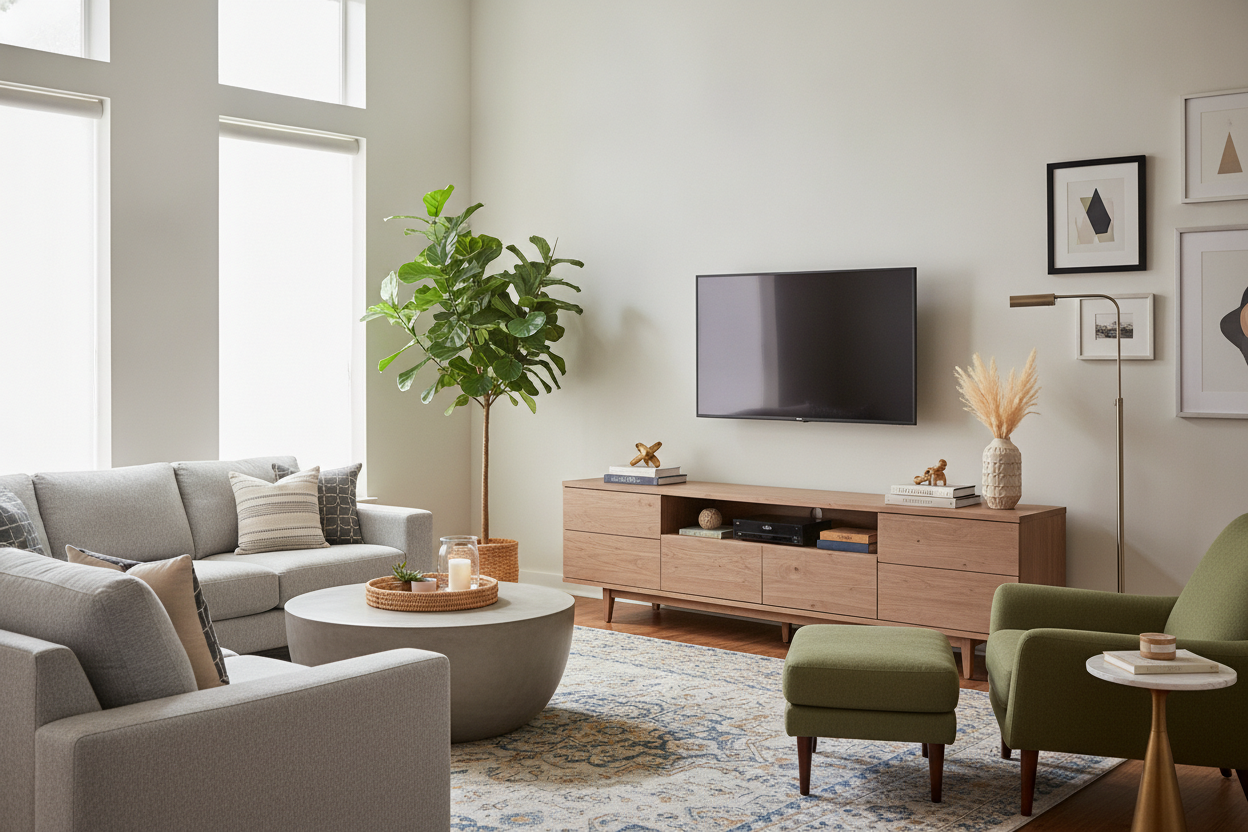
We've all been there: you finally pull the trigger on that massive 75-inch 4K screen, get it home, and realize it looks like a flat-screen elephant sitting on a toothpick. I spent three hours last week helping a friend return a console because it made his living room look like a college dorm room. It wasn't that the furniture was ugly; it was just bad math.
Learning how to choose a tv stand isn't about following trends or buying the most expensive piece in the showroom. It is about proportions and eye levels. If you get the scale wrong, the whole room feels off-balance, and you'll end up with a literal pain in your neck before the first season of your new binge-watch is over.
Quick Takeaways
- Your stand should be at least 6-12 inches wider than your TV frame.
- The center of the screen should be at eye level when you are seated.
- Closed storage is almost always better than open shelving for cable management.
- Solid wood or high-grade plywood beats cheap particle board for heavy setups.
The 'Rule of Thirds' for Screen-to-Stand Proportions
The biggest mistake I see is people buying a stand that is the exact same width as their TV. It looks top-heavy, precarious, and honestly, a bit cheap. A TV is measured diagonally, but its actual width is what matters here. A '65-inch' TV is usually about 57 inches wide. If you put that on a 60-inch stand, you only have an inch and a half of breathing room on each side.
You want the 'Rule of Thirds'—or at least a healthy overhang. Ideally, your stand should be about 20% to 30% wider than the TV. This creates a visual base that anchors the screen rather than letting it hover awkwardly. This extra space also prevents the 'lollipop' effect, where a giant screen sits on a tiny stick of a base. Plus, it gives you a spot for a small plant or a lamp without crowding the screen.
Getting the Height Right (So Your Neck Doesn't Hurt)
There is a reason the 'TV Too High' subreddit exists. Mounting a TV over a fireplace or on a tall dresser is a recipe for a chiropractor visit. To find your ideal height, sit on your sofa and measure the distance from the floor to your eyes. That measurement should be the center point of your TV screen.
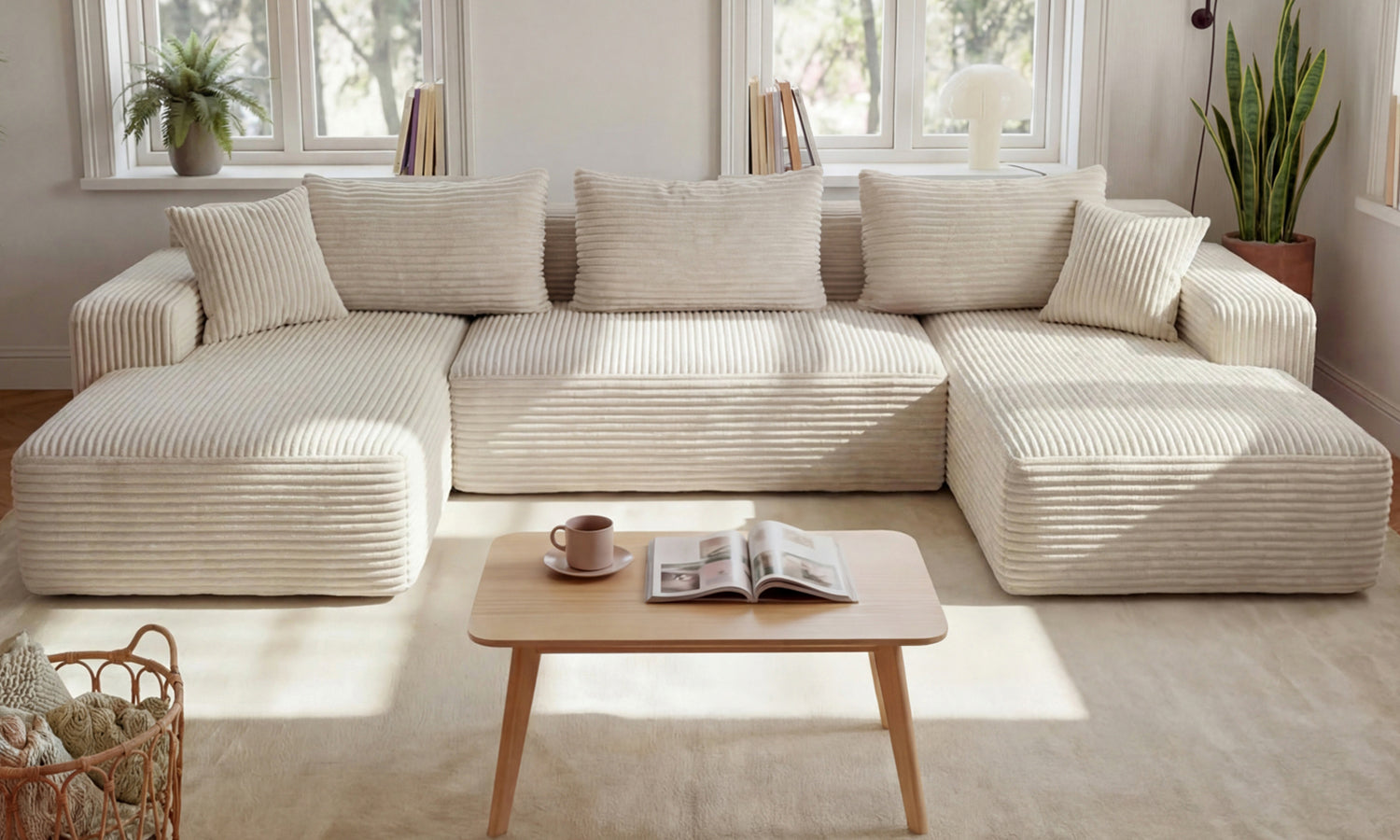
Most standard sofa seats are 18 to 20 inches high, which means your TV stand should usually be between 22 and 28 inches tall. If you're sitting on a low-profile sectional, you might need something even shorter. Once you have that magic number, you can browse various TV stands and filter by height to find something that actually works for your specific seating.
Be Honest About Your Cable and Clutter Habits
Open shelving looks fantastic in a catalog where they only show one decorative vase and a single linen-bound book. In reality, you have a router, a gaming console, a soundbar, and a tangled mess of HDMI cables that look like a nest of black snakes. If you aren't a cable-management wizard, go for closed cabinets.
The problem with solid doors is that they can block your remote's signal. I always recommend looking for slatted doors for remote signals to pass through easily while still hiding the blinking lights of your modem. It’s the best compromise for people who want a clean look without having to stand up and point the remote over the top of a cabinet door every time they want to change the volume.
Do You Actually Want It to Be the Focal Point?
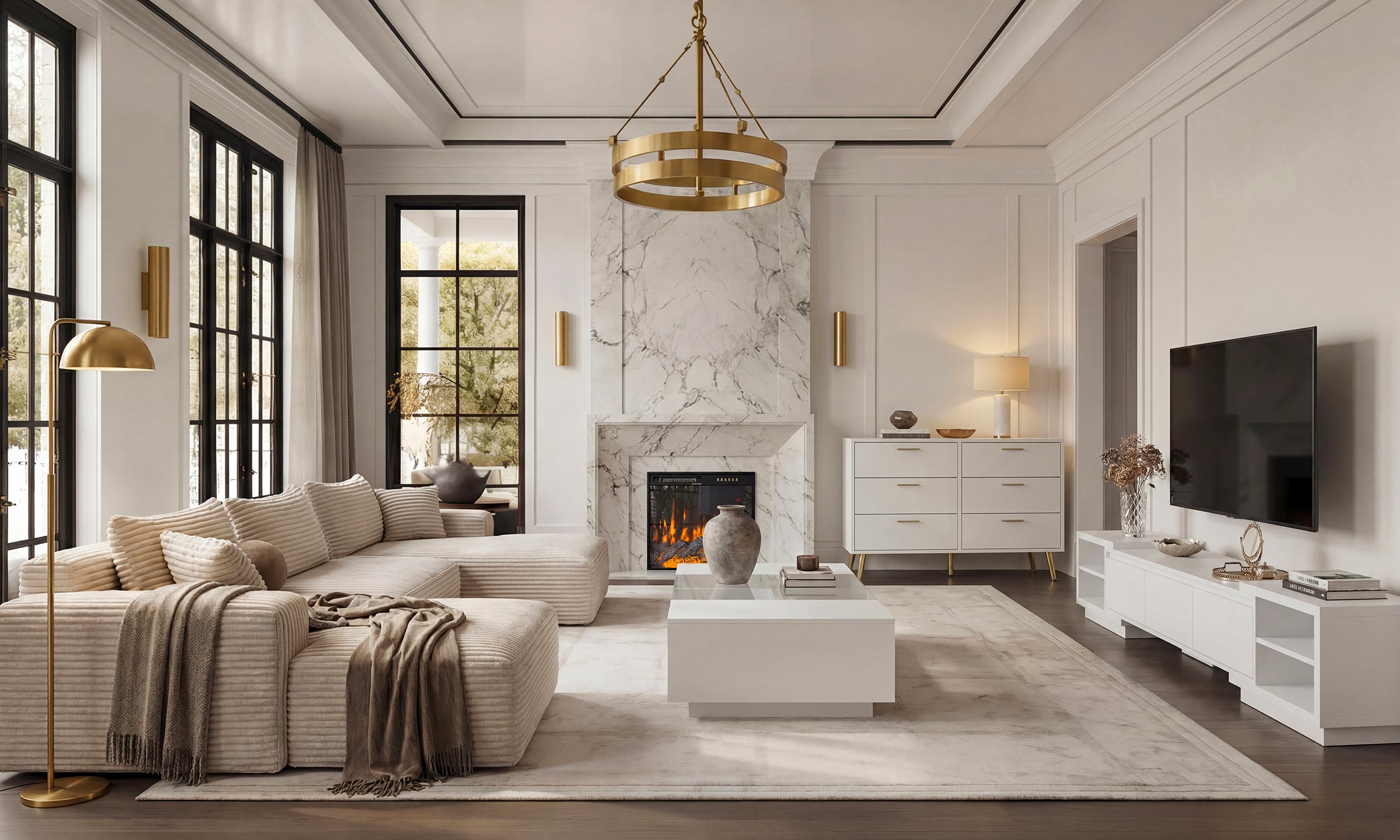
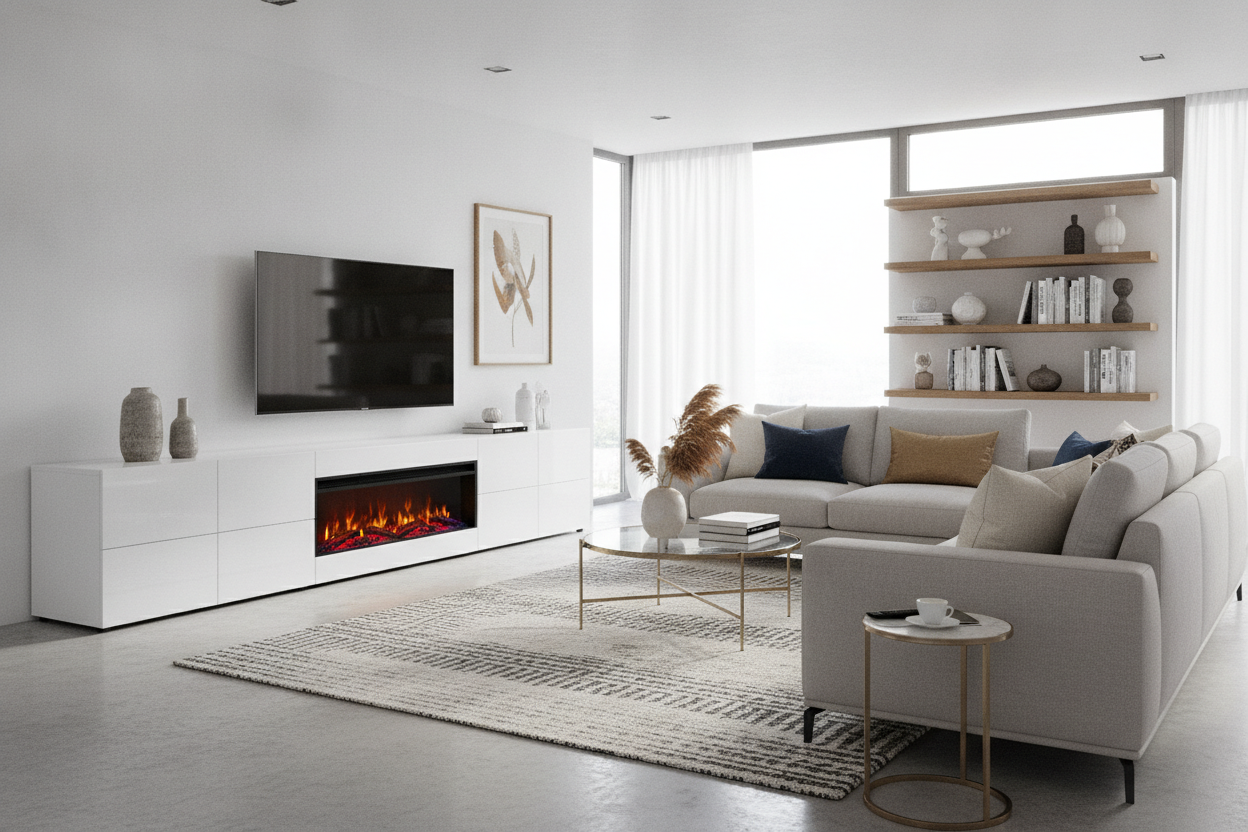
Decide if you want the TV to be the 'main event' or if you want it to disappear. If your room lacks a natural architectural feature, you can use the media unit to create one. For instance, a TV stand with a built-in fireplace can give a boxy, modern apartment a much-needed heart, providing a cozy glow even when the screen is off.
On the other hand, if you want the TV to blend in, choose a unit that matches your wall color or a low-profile console that stays below the sightline of your windows. Wood tones add warmth, but a matte black or white unit can help the tech feel like part of the architecture rather than a piece of furniture you just shoved against the wall.
How to Fill That Awkward Empty Wall Space
If you have 10-foot ceilings and a 15-foot wide wall, a lone 60-inch console is going to look like a postage stamp on an envelope. You need to expand the visual footprint. This doesn't mean you need a bigger TV; it means you need to flank the stand with something that has some height.
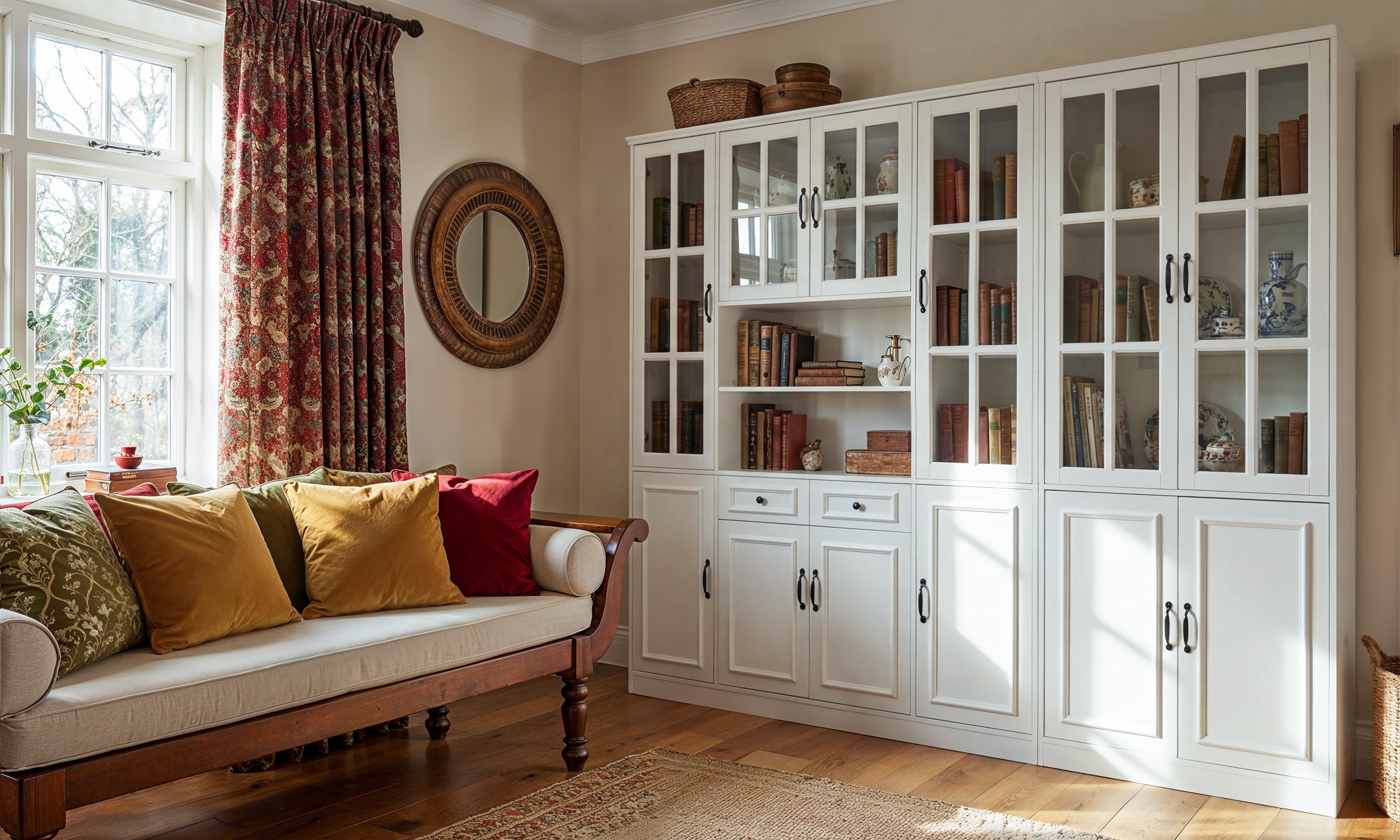
I love the trick of faking a custom built-in look by placing identical bookshelves on either side of a central console. It fills the vertical space and gives you a place for actual decor, making the TV feel like a deliberate part of a larger design. If bookshelves feel too heavy, try a tall fiddle-leaf fig on one side and a large floor lamp on the other to break up the horizontal lines.
My Honest Experience
I once bought a gorgeous, cheap particle-board stand because I loved the mid-century legs. Three months later, the center started to sag because my old-school receiver was too heavy. I had to prop it up with a stack of old magazines. Now, I tell everyone: check the weight capacity. If you have a heavy setup, look for kiln-dried hardwood or units with a fifth support leg in the center. Don't let a $100 stand ruin a $1,500 TV.
FAQ
How much wider should the stand be than the TV?
Aim for at least 3 to 6 inches of clearance on each side. If your TV is 50 inches wide, look for a stand that is at least 60 inches wide to maintain proper visual balance.
Can I use a dresser as a TV stand?
You can, but dressers are typically 30-36 inches tall, which is often too high for comfortable viewing from a standard sofa. Check your eye level first.
What is the best material for a media console?
Solid wood or high-grade plywood (like Baltic Birch) is best for longevity. If you go with MDF, ensure it has a high-quality veneer and a central support leg to prevent sagging over time.

Leave a comment
This site is protected by hCaptcha and the hCaptcha Privacy Policy and Terms of Service apply.