


















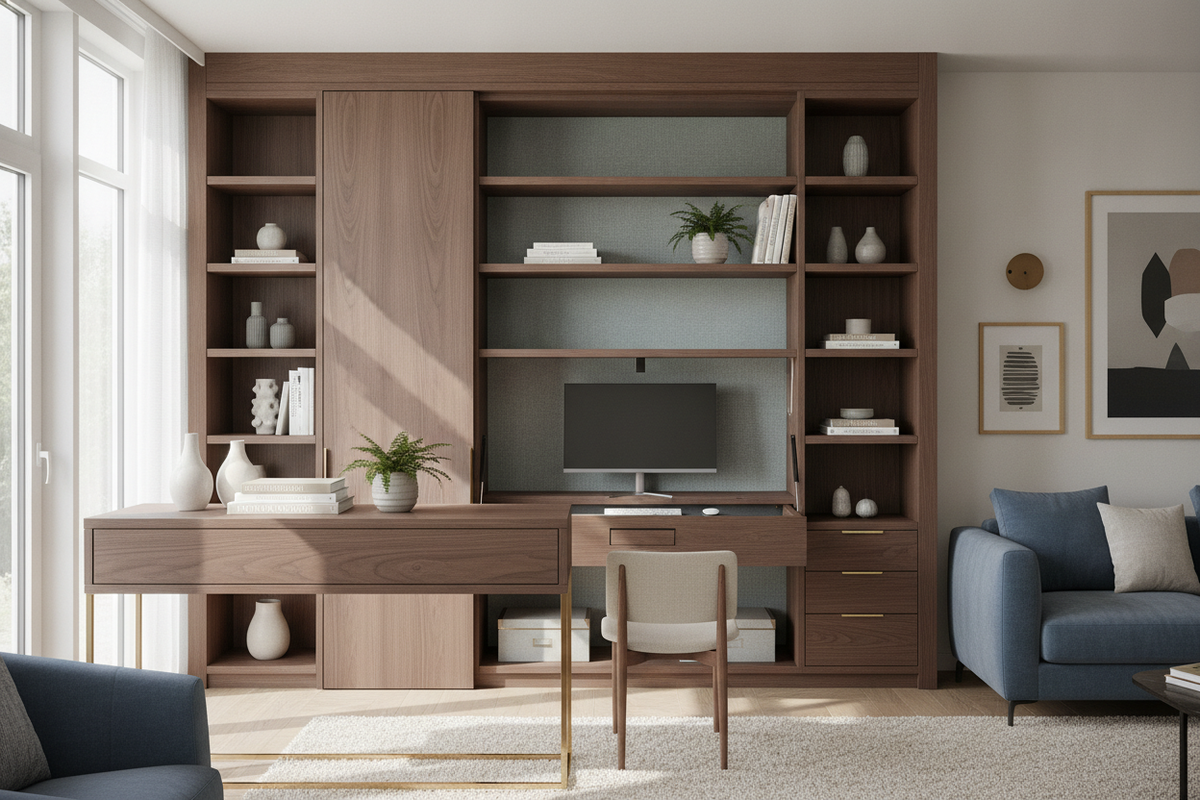
Creating an inviting remote workstation requires balancing functional productivity with residential interior design. A homely work desk bridges this divide by delivering the structural support and practical surface area needed for daily tasks while blending seamlessly with warm home aesthetics. Unlike clinical commercial office furniture, a residential-oriented desk for working from home incorporates tactile materials, soft profiles, and versatile storage configurations that complement living rooms, bedrooms, and multi-purpose study nooks.
Spatial Footprint Tiers: Choosing the Right Dimensions for Residential Rooms
Selecting the proper workstation begins with evaluating the room footprint and daily workflow demands. When browsing a comprehensive computer desk collection, residential layouts generally fall into three distinct sizing and spatial tiers:
- Compact Alcove and Bedroom Footprints: Ideal for secondary bedrooms, hallway niches, or studio apartments. These streamlined profiles maximize vertical storage or slender leg designs to preserve open floor space while still supporting a laptop, task light, and basic notebook.
- Mid-Scale Dual-Purpose Living Areas: Designed for open-plan living rooms or guest rooms where the workstation must co-exist with casual seating. These models offer sufficient depth for external monitors and accessories without overwhelming surrounding residential furniture.
- Dedicated Study and Home Office Suites: Suited for private rooms requiring broad desktop spreads, integrated pedestal drawers, and expansive shelving for active project management.
Assessing doorway clearances, walkway flow, and chair travel depth ensures that at home work desks fit naturally into household circulation without blocking pathways or closet doors. Evaluating how you work from desk setups daily helps determine whether a minimal writing silhouette or an expansive corner layout is the right fit.
Surface Geometry and Ergonomic Comfort
Ergonomics in a home setting should never feel clinical. Thoughtfully proportioned work from home computer desks provide adequate depth to maintain a comfortable viewing distance from displays while leaving ample room for forearm support. For practical advice on avoiding common workstation pitfalls, exploring a detailed work desks guide can help refine your posture and spatial checklist. Rounded desktop edges, generous under-desk knee clearance, and smooth finish transitions prevent physical fatigue across extended work sessions.
Aesthetic Harmony and Material Palettes
The visual warmth of desks work from home users choose depends heavily on material harmony. While metal-heavy contract furniture can feel sterile, residential desks utilize rich woodgrains, soft neutral paint tones, and complementary hardware that echo sideboards, dressers, and bookshelves. For a closer look at domestic workspace styling, reading a specialized homely work desk guide offers inspiration on pairing finishes with surrounding decor.
Warm walnut, natural oak, and muted ivory finishes help desks to work from home blend naturally alongside soft textiles, indoor greenery, and ambient lighting. Matte protective coatings preserve organic grain patterns while resisting moisture rings and surface scuffs from everyday office supplies.
Integrated Storage Synergy: Keeping Living Spaces Clutter-Free
One challenge of working from residential environments is maintaining visual separation between work hours and relaxation. A well-designed homely work desk incorporates concealed storage solutions that tuck away laptops, charging adapters, paperwork, and writing utensils at the end of the day. A dedicated desk computer product built with organic wood tones and integrated drawer storage provides both enduring visual charm and practical utility for keeping everyday clutter out of sight.
- Shallow Center Drawers: Perfect for housing stationery, stylus pens, and compact keyboards without impeding seated thigh clearance.
- Lower Pedestals and Cubby Compartments: Keep reference binders, external backup drives, and larger tech accessories neatly tucked away from sightlines.
- Open Bookshelf Bridges: Provide display space for decorative ceramics, framed photos, or potted plants, softening the utilitarian nature of the workstation.
Integrating these storage features ensures that your desk for working from home maintains a tidy presence even during off-hours, reinforcing healthy boundaries between professional duties and home life.
Room Layout Configurations and Placement Strategies
Where you place your desk significantly impacts focus, lighting quality, and domestic serenity. Positioning at home work desks perpendicular to windows maximizes natural daylight while minimizing screen glare. If floor area is constrained, an efficient corner workstation such as a modern computer desk product can activate unused corners and deliver generous desktop real estate without encroaching on central room traffic.
When planning your layout, leave adequate clearance behind the seating zone for natural chair movement. Floating a desk slightly away from a wall or anchoring it against a textured accent wall can frame the desk as an intentional interior design feature rather than a temporary compromise.
Assembly, Cable Routing, and Daily Care Protocol
Bringing a new workstation into your home requires mindful assembly and cable management to maintain a clean domestic look:
- Staged Assembly: Clear an open floor area and protect surfaces with a blanket during assembly to avoid scratching delicate finishes. Tighten hardware systematically to ensure long-term structural rigidity.
- Discreet Cable Routing: Use adhesive wire raceways, under-desk cable baskets, and neutral hook-and-loop ties to guide cords down behind rear legs, keeping tangled power strips hidden.
- Surface Preservation: Use non-abrasive microfiber cloths for regular dusting, place coasters under beverages, and add felt-backed desk pads to protect high-contact zones from stylus or pen marks.
Implementing these simple habits keeps work from home computer desks looking fresh, organized, and structurally sound through years of daily tasks.
Conclusion: Curating a Balanced and Welcoming Home Workstation
A thoughtfully selected homely work desk transforms remote work into a comfortable, visually harmonious part of everyday living. By balancing spatial footprint tiers, warm material palettes, concealed storage, and ergonomic layouts, you can create a dedicated workstation that supports productive focus while enriching the comforting atmosphere of your home.


Leave a comment
This site is protected by hCaptcha and the hCaptcha Privacy Policy and Terms of Service apply.