


















We have all been there: you spend hours scrolling through perfectly styled home study images, imagining how productive you would be in that exact room. But when you try to recreate the look in your standard suburban spare bedroom, the result feels cramped, dark, or just slightly off.
The disconnect usually happens because glossy editorial photos rely on architectural advantages—like ten-foot ceilings, custom millwork, and massive arched windows—that most North American homes simply do not have. As a designer, my job is to look past the architecture and extract the actual design principles. Today, I will show you how to dissect your favorite inspiration shots so you can build a workspace that looks beautiful and functions perfectly in your actual floor plan.
Quick Decision Guide: Reading Inspiration Photos
- Analyze the light, not just the paint: Dark, moody walls only work if you have ample natural light or a highly intentional, layered lighting plan. Otherwise, the room will feel like a cave.
- Check the negative space: Notice how much empty floor space surrounds the furniture. That breathing room is what makes a study look high-end.
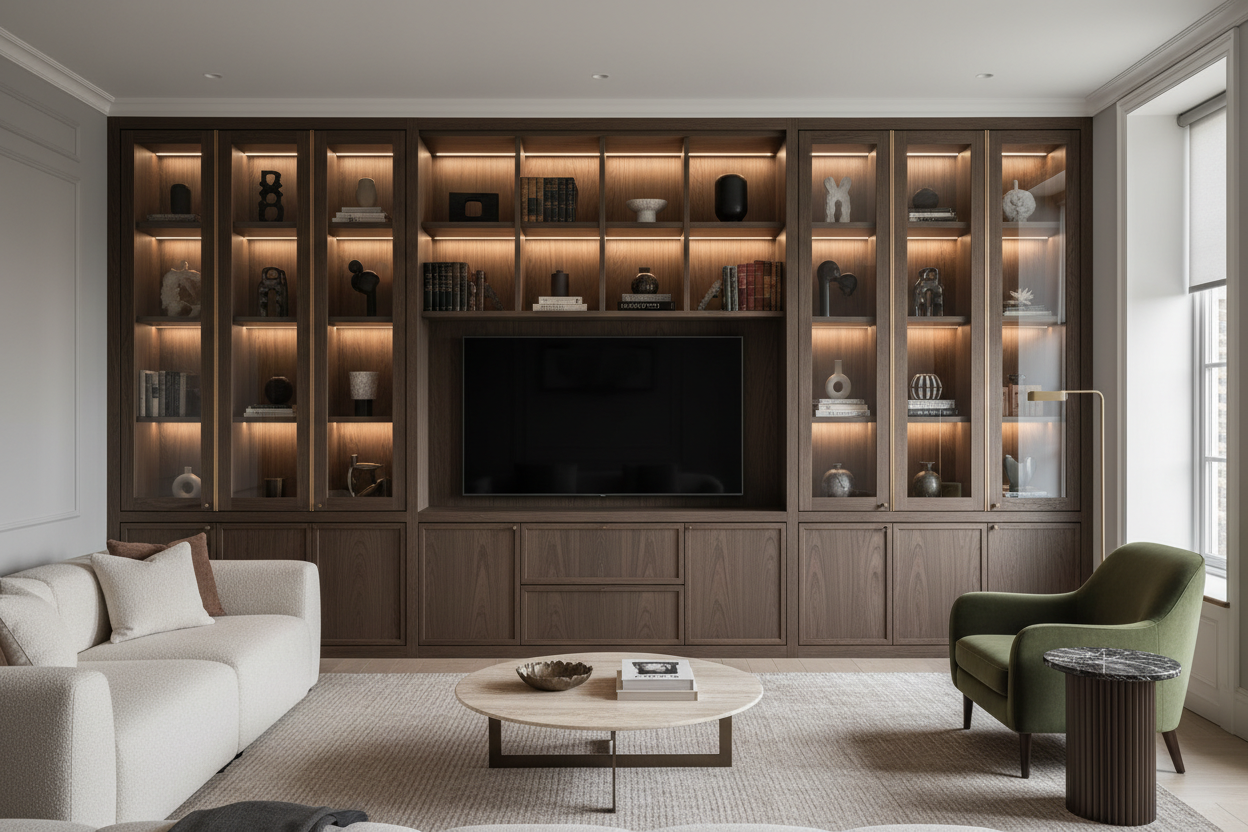
- Spot the hidden storage: Beautiful photos rarely show printers, shredders, or messy tax files. Plan for closed cabinetry, not just open display shelving.
- Look at the window treatments: High-end spaces almost always feature custom drapery mounted high and wide to make windows appear larger.
Decoding Space Planning and Layout
The Reality of the Floating Desk
When you look at high-end home study pictures, the desk is almost always floating in the center of the room, facing the door. This is the classic "power position." However, floating a desk requires a significant footprint. You need a minimum of 36 inches of clearance behind the desk to push your chair back comfortably, plus another 36 inches in front for guest seating or a clear walkway. If your room is narrower than 10 feet, pushing the desk against a wall or opting for a built-in peninsula might be a much better use of your square footage.
Scale and Visual Weight
Pay close attention to the visual weight of the furniture in those images of studies in homes. A massive, solid walnut executive desk grounds a large room, but it will visually swallow a standard 9x10 foot spare bedroom. If you are working with a smaller footprint, look for pieces with a lighter silhouette—think desks with slender metal legs or open bases that allow light to pass through.
Material Coordination and Texture Layering
Mixing Wood Tones Successfully
One secret behind the most compelling pictures of home studies is how they mix materials. Matching your desk perfectly to your bookshelves and your hardwood floors creates a flat, showroom-like feel. Instead, aim for contrast. If you have warm oak floors, anchor the space with a dark charcoal rug and introduce a walnut or matte black desk. Layering textures—like a leather desk chair, a woven wool rug, and brass task lighting—adds the depth that makes a room feel curated rather than purchased out of a single catalog.
Lessons from My Own Projects
A few years ago, a client brought me a folder filled with gorgeous pictures of studies in homes. They all featured deep, matte navy walls, massive mahogany executive desks, and heavy leather armchairs. The catch? Her actual office was a tiny converted nursery with a single north-facing window.
I learned a hard lesson on that project. We matched the moody paint color perfectly, but without the southern exposure seen in her inspiration shots, the matte finish absorbed every ounce of light. Furthermore, I learned the hard way that a 72-inch executive desk technically fits in a 10x10 room, but once you add the 36 inches of clearance needed for a desk chair, you are backing right into the drywall every time you stand up. We ended up having to repaint in a lighter French blue and swap the bulky desk for a visually lighter glass-and-metal writing table. It taught me that you can never force a room to be something its square footage and light exposure will not allow.
Frequently Asked Questions
How do I use inspiration photos without copying them exactly?
Identify the core feeling rather than the specific items. If you love a photo, ask yourself why. Is it the contrast between the dark desk and light walls? The warmth of the brass accents? Extract the color palette and material mix, then apply those concepts to furniture scaled for your specific room.
What size desk do I actually need?
For a standard laptop and monitor setup, aim for a desk that is at least 48 inches wide and 24 inches deep. If you review physical blueprints or need space for multiple monitors, you will want to step up to a 60-inch width and a 30-inch depth to maintain proper ergonomics.
How can I make a small study look more expensive?
Focus on lighting and window treatments. Swap out the standard builder-grade ceiling boob light for a statement semi-flush mount or chandelier. Add a high-quality brass task lamp to your desk, and hang drapery panels close to the ceiling to draw the eye up. These small changes drastically alter the perceived value of the room.

Leave a comment
This site is protected by hCaptcha and the hCaptcha Privacy Policy and Terms of Service apply.