

















I spent three hours last Sunday meticulously styling my vintage teak shelves with my favorite ceramics and art books, only to realize that at 6 PM, they looked like a dark, shadowy void. It is a classic mistake. We focus so much on the objects themselves that we forget about the lighting ideas for shelves that actually make those objects visible after the sun goes down.
I have tried every shortcut in the book—from cheap sticky-back LEDs that fell down within 48 hours to expensive rechargeable pucks that I always forget to plug in. If you are tired of staring at a dimly lit bookcase, you need to think about the power source before you think about the fixture. The way you get electricity to those bulbs will dictate whether your shelving looks like a high-end gallery or a messy science project.
Quick Takeaways
- Hardwired LEDs are the gold standard for a seamless, 'built-in' look but require a pro.
- Plug-in strips are the most reliable for tall cabinets where you can hide cords.
- Battery-powered lights are great for renters, but the maintenance is a real chore.
- Integrated lighting in pre-built furniture is often the most stress-free path.
Why the Power Source Ruins Most Shelf Lighting Projects
Most shelf lighting ideas look incredible in a Pinterest photo because the photographer has photoshopped out the three feet of black plastic cord dangling from the side of the unit. In reality, the logistics of power are where most DIY projects fall apart. You find a beautiful LED strip, you stick it under the shelf, and then you realize the nearest outlet is five feet away across a doorway.
I have seen people try to hide cables with white masking tape or tuck them behind books, but it never looks quite right. If you do not have a plan for where the wire goes, you are just adding clutter to your walls. This is why people get stuck—they want the glow, but they do not want the 'tech' that comes with it. Choosing the right power source is 90% of the battle when you are looking for shelving lighting ideas that actually stick.
The Plug-In Route: Great for Cabinets, Terrible for Floating Units
Plug-in LED strips and pucks are the workhorses of the lighting world. They are reliable, they never run out of juice, and they usually offer the brightest output. If you have a tall bookcase with built-in LED strips, plug-ins are a dream. You can run the wires down the back of the cabinet, drill a small hole in the bottom panel, and hide the whole mess behind the frame.
However, I would never use a plug-in for open floating units. Unless you are planning to channel out the drywall to hide the cord, you will be stuck with a visible cable. It is a visual dealbreaker. I once tried to use a plug-in strip on a single floating shelf in my kitchen, and it looked like the shelf was being kept on life support by a black wire. Stick to plug-ins for enclosed bookcases or units that sit flush against the wall where the cord can be tucked into a corner.
Battery-Powered Pucks: The Renter's Best Friend (With a Catch)
If you are a renter and you cannot drill holes or mess with the electrical, battery-operated wall shelf lighting ideas are your only real option. These are usually puck lights or thin bars that attach with 3M adhesive. They are incredibly easy to install, but they come with a high 'annoyance tax.' I have a set of these in my hallway, and I swear I am recharging them every six days.
The trick to making a floating shelf lighting setup look premium with batteries is to choose units with a high CRI (Color Rendering Index) and a warm temperature. Most cheap battery pucks have a cold, blueish light that makes your home feel like a convenience store fridge. Look for rechargeable versions rather than ones that take AA batteries—you will save a fortune and feel less guilty about the environmental impact. Just be prepared for the reality that you will eventually get lazy and stop turning them on.
The Hardwired Dream: When to Actually Call an Electrician
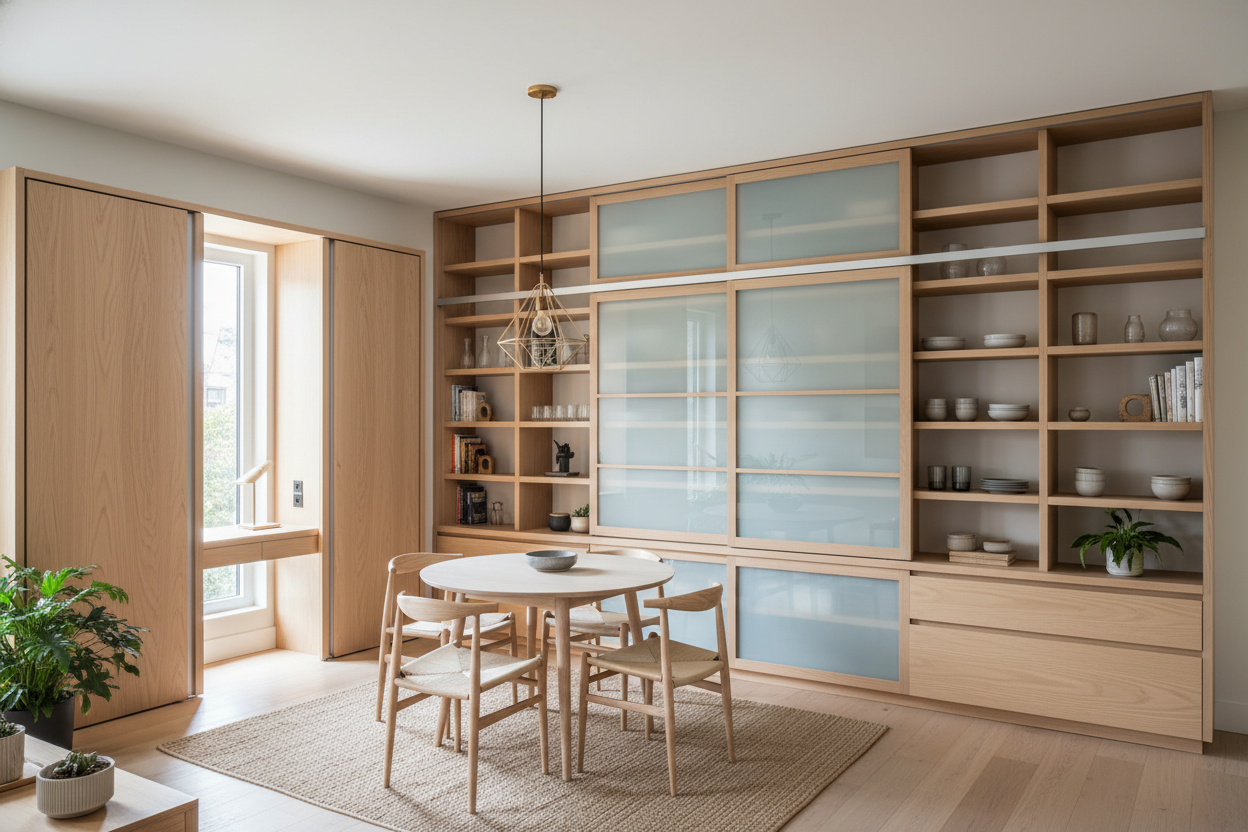
If you are doing a full renovation or building custom cabinetry, do not even look at the other options. Hardwired led shelf lighting ideas are the only way to get that truly high-end, 'invisible' light source. This involve routing a shallow channel directly into the wood of the shelf so the LED tape sits flush. The wires are then run through the wall to a transformer and a wall switch.
It is expensive, and it requires an electrician, but the result is flawless. There are no battery packs to hide and no cords to trip over. If you are not ready to commit to a full electrical overhaul, I have seen people get close to this look by using clever trim work. I actually faked custom built-ins by using thick crown molding at the top of a standard shelf to hide the transformers and wiring for a semi-permanent setup.
Skip the DIY: Why Pre-Lit Furniture Might Be Your Best Bet
After years of struggling with adhesive strips that peel and batteries that die, I have started leaning toward furniture that does the work for me. Sometimes the best shelving lighting ideas are the ones that come straight from the factory. A wine bar cabinet with integrated lighting is a perfect example—the manufacturer has already figured out how to hide the wires and mount the LEDs so they do not glare in your eyes.
You still get the flexibility of adjustable shelf storage units, but you do not have to worry about the 'DIY' look of exposed tape. These pieces are engineered for cable management, meaning you just plug the cabinet into the wall and you are done. It is the most stress-free way to get that ambient glow without having to become a part-time electrician on your day off.
Personal Experience: The 'Night of Darkness'
I once hosted a dinner party where I wanted my library shelves to be the focal point. I had installed six battery-powered pucks that morning. By 9 PM, three of them had dimmed to a pathetic orange glow, and one had fallen off the shelf entirely, landing right in a guest's wine glass. It was embarrassing. That was the day I realized that if you want consistent, reliable light, you have to invest in the infrastructure. Now, I only use batteries for 'accent' spots I don't care about, and I use hardwired or integrated options for anything I actually want to see.
FAQ
Do LED strips ruin wood shelves?
If you use high-quality adhesive, they usually won't, but cheap 'super glue' style backings can pull up the finish or veneer when you remove them. Use 3M Command strips if you are worried about the finish.
What color temperature is best for shelves?
Aim for 2700K to 3000K. This is a warm, soft white that makes books and decor look inviting. Anything higher than 4000K will feel like an office or a hospital.
How do I hide cords on a white wall?
Use paintable cord channels. They are plastic tubes that stick to the wall and can be painted the exact same color as your drywall to make them disappear.

Leave a comment
This site is protected by hCaptcha and the hCaptcha Privacy Policy and Terms of Service apply.