

















Defining the Flexible Desk Chair: Kinetic Movement vs. Static Support
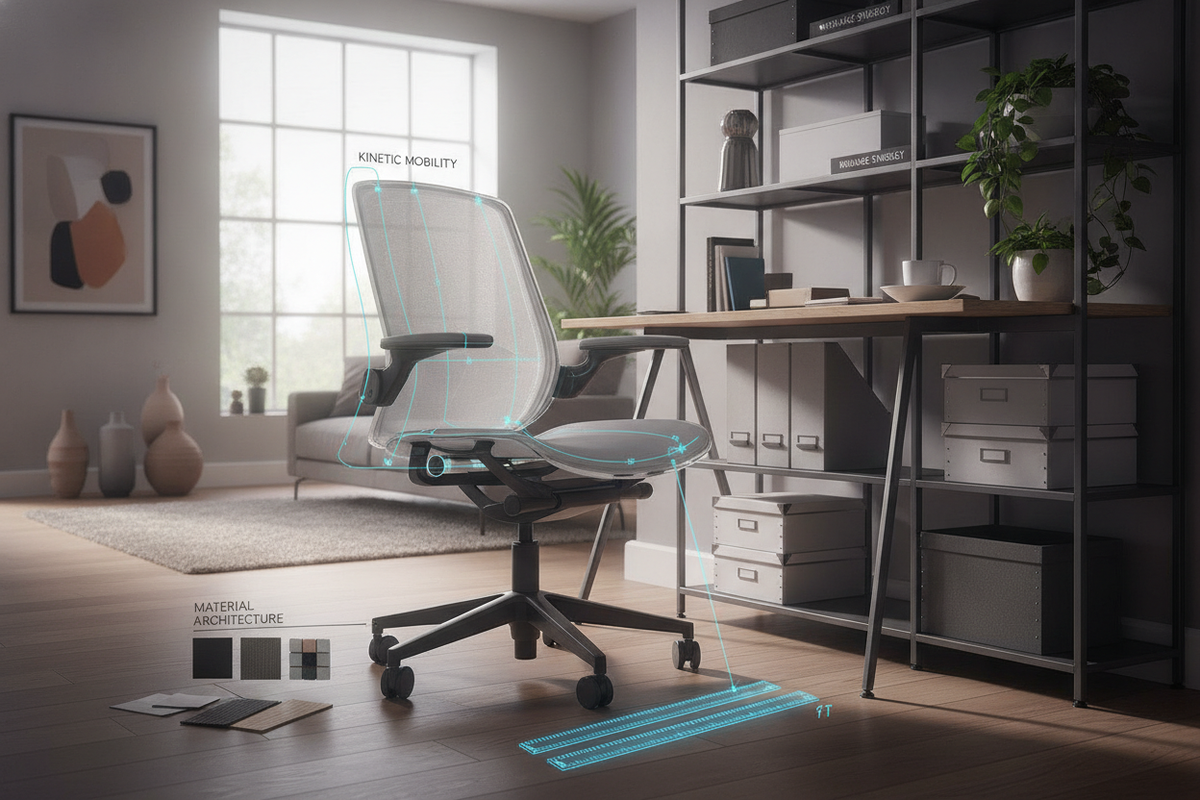
The modern workspace demands seating solutions that adapt to natural bodily shifts throughout the day. Unlike traditional task seating built on rigid structural framing, a flexible desk chair incorporates responsive mechanics that mirror micro-movements. By introducing controlled elasticity into the backrest and base assembly, flexible seating facilitates posture changes during prolonged creative and administrative tasks.
Understanding how kinetic mechanics differ from static support is key to configuring an efficient home workspace. When choosing a flexible seating office chair, evaluating how the frame responds to torsional stress and pelvic shifts ensures a balanced seating posture throughout daily workflow cycles.
Dynamic Backrest Flex and Torsional Response
Kinetic seating relies on specialized backrest geometry often composed of segmented ribs, elastomer hinges, or flexible polymer matrixes. Rather than locking the torso in a single upright plane, these systems bend slightly when leaning laterally or twisting to access desktop accessories. This torsional responsiveness allows the upper body to move naturally while keeping continuous contact across the lumbar region.
Active Seat Pan Tilt and Weight-Activated Mechanisms
Complementing backrest flexibility, dynamic seat pans utilize weight-activated tension controls. These mechanisms automatically counterbalance recline resistance based on user posture. Forward-tilt capabilities gently angle the pelvis forward during intensive typing tasks, opening the angle between torso and thighs to support neutral spinal alignment without requiring manual knob adjustments.
Dimensional Tiers and Spatial Footprint Planning
Integrating flexible seating into residential layouts requires measuring both the static footprint and the active rotation envelope of the chair. Because flexible chairs encourage wider ranges of movement and deep recline angles, spatial clearance must accommodate the full operational radius of the base and backrest.
Compact Armless and Low-Profile Formats for Tight Work Nooks
For compact study alcoves, small bedrooms, or multifunctional spaces, low-profile and armless flexible chairs offer essential kinetic support within a minimal footprint. These designs fit entirely beneath desktop surfaces when not in use, preserving clear perimeter walkways in tight rooms.
Mid-Scale Task Formats for Standard Home Offices
Standard home offices typically accommodate mid-back flexible seating equipped with height-adjustable armrests and a five-star caster base. These models balance full lumbar articulation with manageable dimensions, navigating easily around standalone writing desks, filing credenzas, and perimeter shelving.
High-Back Hybrid Chairs for Multipurpose Workstations
Expansive home office suites benefit from high-back flexible seating that incorporates integrated headrests and extended recline arcs. These models cater to hybrid work environments where deep recline is preferred during video conferencing, creative planning, or reading sessions, requiring a larger floor clearance zone behind the workstation.
Material Architecture: Balancing Elasticity, Durability, and Breathability
The structural longevity of dynamic task seating depends heavily on material selection. The tensioned components must maintain their elasticity across repeated flexion cycles while offering thermal comfort across changing room temperatures.
Tensioned Mesh vs. Molded Foam Membranes
Open-weave elastomeric mesh provides continuous ventilation and contours evenly to body weight, eliminating targeted pressure zones. In contrast, high-resilience molded foam wrapped in breathable upholstery delivers a plush, supportive foundation that cushions contact points. Choosing between them involves balancing desired airflow with preferred surface firmness.
Structural Polymer Frames and Recoil Longevity
Flexible frames are engineered from composite polymers such as glass-filled nylon and thermoplastic elastomers. These composites flex under natural body pressure and promptly return to their baseline shape. High-grade polymer blends resist permanent structural fatigue, ensuring reliable dynamic movement over years of daily home office use.
Workstation and Storage Integration: Coordinating Seating with Desks and Cabinets
A flexible desk chair must interact seamlessly with surrounding storage furniture, computer desks, and credenzas to maintain efficient workflow mechanics.
Under-Desk Clearance with Integrated Storage Cabinets
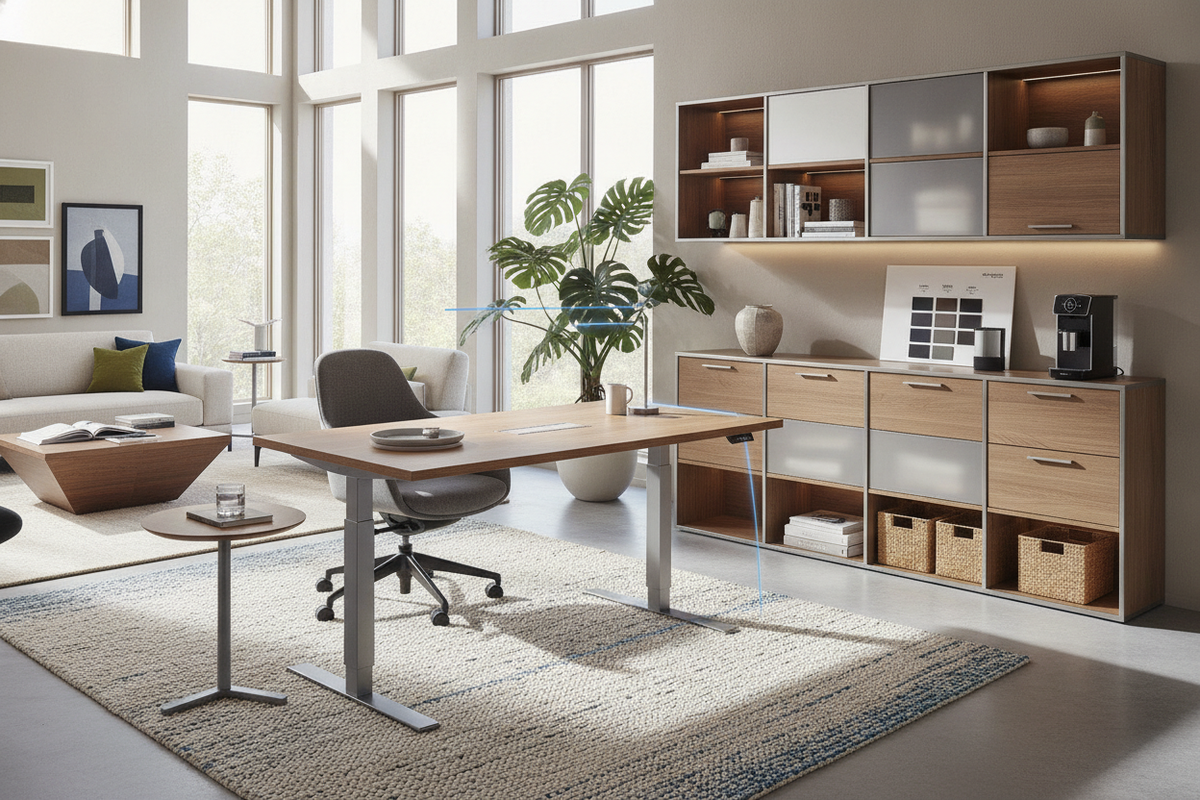
When selecting seating to accompany comprehensive storage workstations, verify the clearance width between pedestals and the vertical height of the knee well. Pairing dynamic seating with an office storage cabinet with desk requires checking that adjustable armrests slide smoothly beneath the desk apron to allow full tuck-in when the workstation is closed down.
Corner Desk Geometry and Rotational Sweep
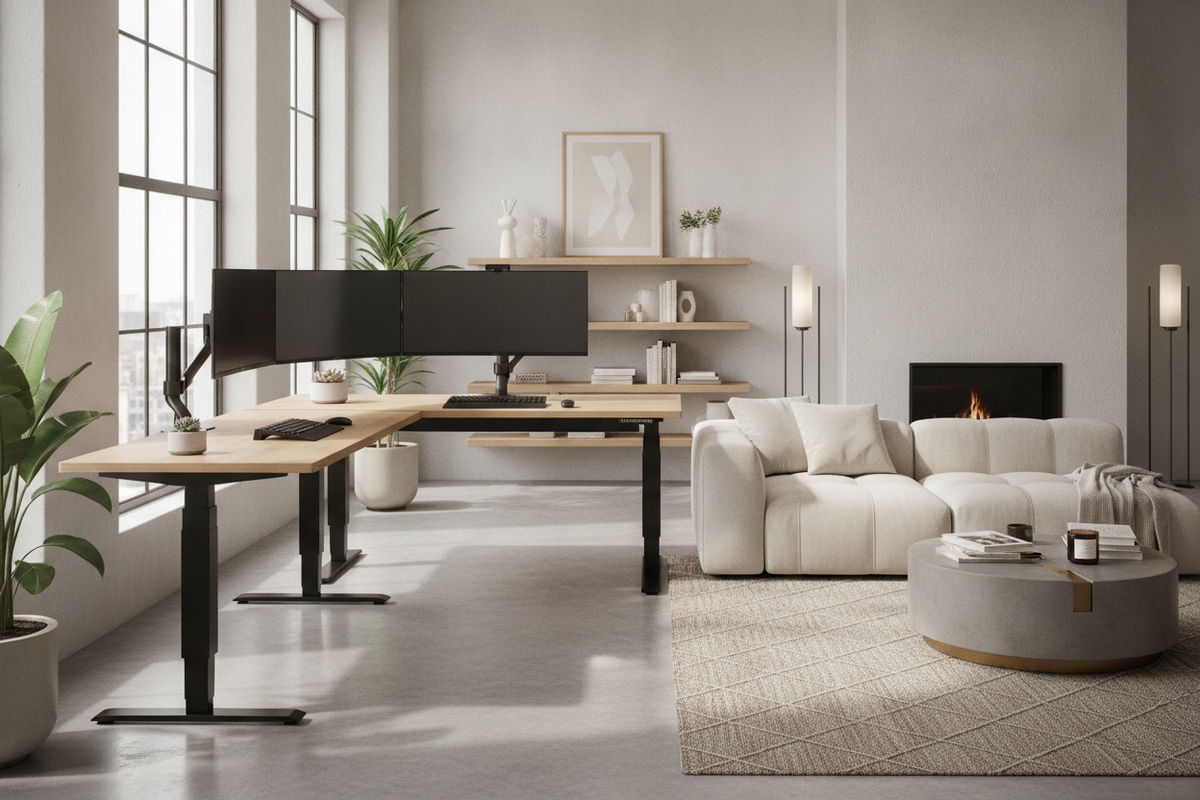
Corner workspaces require extra consideration for swivel clearance and lateral drawer access. When arranging a corner computer desk with storage, position the chair's central swivel axis so that 360-degree rotations clear adjacent cabinet doors, side shelves, and lower filing drawers without scuffing finishes.
Aesthetic Harmony and Workspace Styling
Contemporary flexible chairs feature fluid lines and modern profiles that integrate naturally with minimalist and transitional home decor. When planning your office layout, explore tips for styling an office desk and chair set to coordinate neutral chair finishes with warm wood tones and clean cabinet fronts for a cohesive interior aesthetic.
Practical Decision Matrix: Choosing the Right Flexible Chair for Your Workflow
Selecting the ideal chair involves aligning kinetic features with your daily work habits, flooring conditions, and workstation scale.
- Task Cadence: Dynamic task switchers benefit from responsive armrests and forward-tilt seat pans, whereas stationary computing calls for stable mid-back support with continuous lumbar tracking.
- Caster Selection: Soft polyurethane casters protect hardwood and laminate floors from scratches, while firmer nylon wheels provide smooth transit over low-pile area rugs and carpet tiles.
- Spatial Envelope: Always measure the distance from the desk edge to nearby walls or storage units, ensuring at least three feet of unobstructed travel space for smooth entry, exit, and recline.
By balancing kinetic frame ergonomics, durable materials, and room storage geometry, you can select a flexible desk chair that elevates daily comfort and spatial harmony across your entire home office.

Leave a comment
This site is protected by hCaptcha and the hCaptcha Privacy Policy and Terms of Service apply.