
















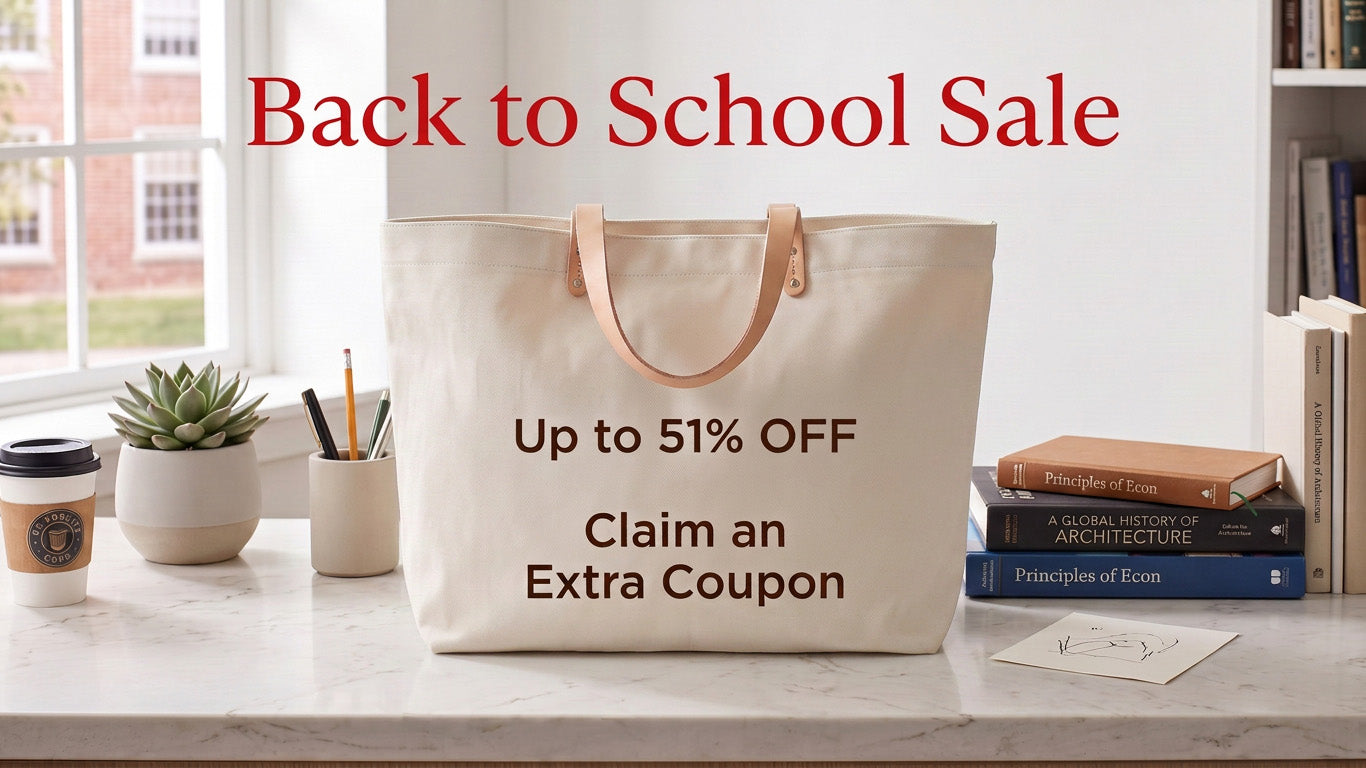
There is a distinct difference between a workspace that feels curated and one that feels cluttered. The culprit is often visual noise—loose papers, stray cables, and miscellaneous stationery that scatter attention. As a designer, I often tell clients that the solution isn't just 'cleaning up'; it is about designating a home for your tools. The humble office storage box is the unsung hero of interior spatial planning, bridging the gap between utilitarian necessity and sophisticated decor.
Key Features to Look For
- Material Integrity: Choose rigid materials like leather, reinforced linen, or wood over flimsy cardboard to ensure the box holds its shape over time.
- Lid Functionality: An office box with lid is essential for archival items to prevent dust, while open-top designs suit frequently accessed files.
- Visual Weight: Darker, textured boxes ground a space, while acrylic or light fabrics create an airy, ephemeral feel.
- Internal Dimensions: Ensure the interior dimensions accommodate standard A4 paper or specific office supplies in a box without bending corners.
Selecting Materials: Texture Meets Durability
When selecting a storage box for office environments, materiality is the first decision point. In high-end residential offices, we often steer clear of clear plastic unless it is hidden inside a drawer. Plastic tends to look temporary and lacks warmth.
Instead, consider the tactile experience. A leather or faux-leather office supply box adds a layer of richness and absorbs sound, contributing to a quieter acoustic environment. For a more organic, Scandinavian aesthetic, rigid linen-wrapped boxes for office shelving provide texture but require more care regarding dust. The goal is to match the box's finish to your desk's surface—creating either a seamless blend or a deliberate, stylish contrast.
The Strategy of Concealment vs. Display
Not everything needs to be hidden. However, the office in boxes concept works best when you categorize by frequency of use. For archival documents or tax records, a uniform row of opaque boxes on a high shelf creates a pleasing architectural rhythm. This repetition is visually soothing.
Managing Micro-Clutter
For the desktop itself, an office organizer box serves a different purpose. Here, we are dealing with micro-clutter—paperclips, charging cables, and sticky notes. A generic box often becomes a junk drawer in disguise. Look for a storage box for office supplies that features internal compartmentalization. This prevents the contents from shifting and rattling every time you move the box, maintaining a sense of order.
Visual Balance and Scale
A common mistake is undersizing storage. A small, solitary box on a large executive desk looks lost. Conversely, massive bins on a delicate writing console feel overwhelming. Scale is critical. If you have open shelving, group your boxes for office organization in sets of three. Odd numbers are generally more appealing to the human eye and create a focal point rather than just a storage pile.
My Personal Take on Office Storage Boxes
In my years designing home offices, I have learned a hard lesson about fabric-wrapped storage: it is a magnet for dust and fingerprints. I once specified beautiful, cream-colored felt organizer box for office shelving for a client in a downtown loft. They looked stunning for the photoshoot.
However, six months later, the client called me back. The oils from daily handling had left darkened spots on the lids, and the felt had trapped dust that was impossible to wipe off. Since then, I prioritize wipeable surfaces—lacquered wood, treated canvas, or leather—for any box that will be handled daily. I also pay attention to the sound the lid makes. There is something incredibly satisfying about the heavy, muted 'thud' of a quality magnetic closure versus the hollow scrape of a cheap cardboard lid. That sensory detail makes the workday feel more substantial.
Conclusion
Investing in the right storage is an investment in your mental clarity. By selecting containers that offer the right blend of texture, durability, and scale, you transform simple organization into a design statement. Treat your storage not as an afterthought, but as a key element of your office's architecture.
Frequently Asked Questions
How do I choose the right size box for my shelves?
Measure the depth of your shelves first. Ideally, the box should sit flush with the shelf edge or recess slightly (about 1 inch). Avoid boxes that overhang, as this creates visual tension and is a safety hazard.
Should I label my office boxes?
Yes, but keep it discreet. For a luxury look, use metal label holders on the front of the box rather than sticking adhesive labels directly onto the material. This allows you to change the contents without ruining the finish.
What is the best way to store heavy files?
For heavy paperwork, avoid standard decorative boxes. Look for a reinforced office box with lid that features metal corners or a double-walled construction. Standard decorative boxes will bow and warp under the weight of heavy paper over time.

Leave a comment
This site is protected by hCaptcha and the hCaptcha Privacy Policy and Terms of Service apply.