

















Visual noise is the silent killer of productivity. We have all walked into a workspace that feels chaotic, not because of the architecture, but due to the clutter scattered across surfaces. As a designer, I often see clients treating storage as an afterthought—grabbing cheap plastic bins just to hide the mess. However, selecting the right containers for office organization is actually a foundational element of interior design. It is about balancing functionality with a sophisticated aesthetic to create a space where focus thrives.
Quick Decision Guide: Key Features to Look For
If you are rushing to furnish a home office or corporate suite, here are the non-negotiable factors to consider before purchasing:
- Material Integrity: Choose materials that age well (e.g., full-grain leather, powder-coated steel, or high-grade felt) rather than brittle plastics.
- Visual Weight: Opacity matters. Solid containers hide unsightly clutter (cables, papers), while acrylics are best for curated, colorful stationery.
- Modularity: Look for storage containers for office systems that stack securely without bowing under weight.
- Ergonomics: Ensure handles or grips are accessible; you should not have to fight the container to retrieve a file.
Mastering Materiality and Texture
The material of your storage vessels dictates the mood of the room. In high-end design, we look for texture to break up the monotony of flat desk surfaces and computer screens.
The Warmth of Natural Materials
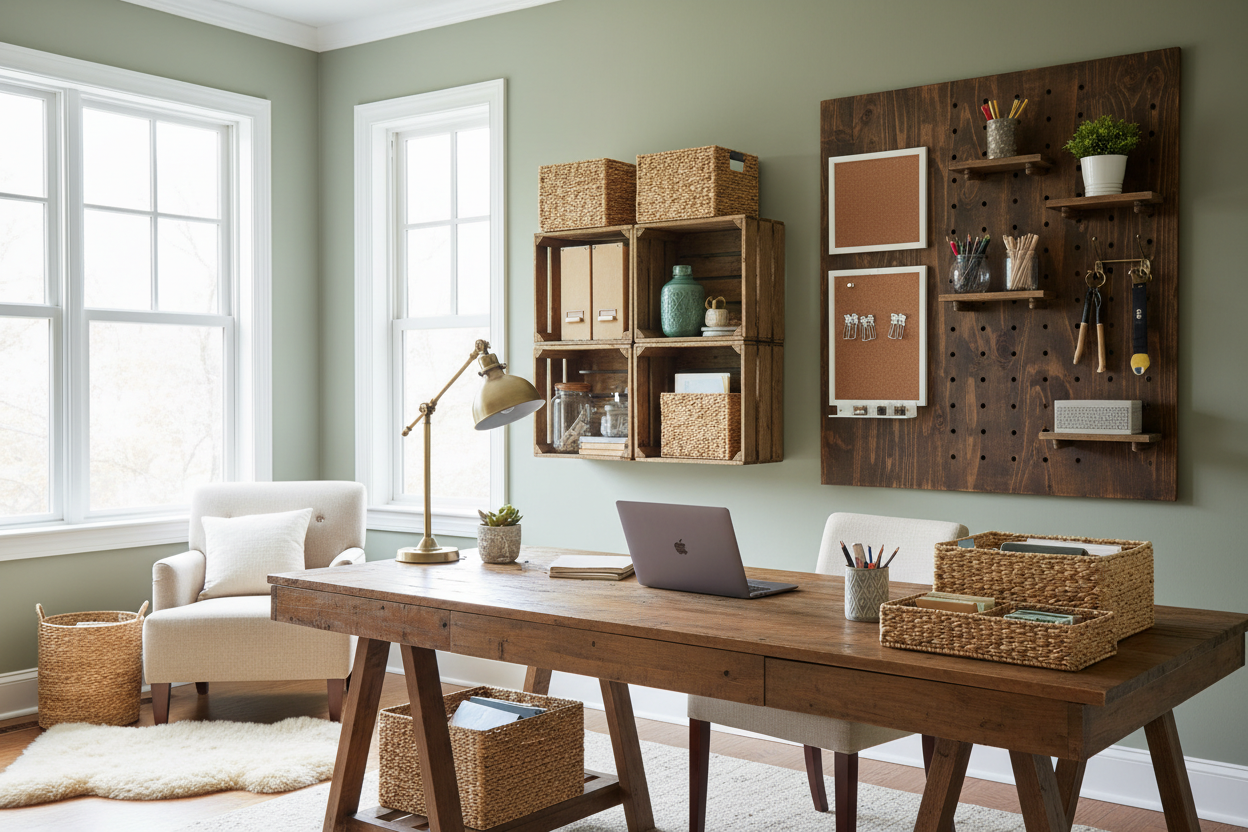
For a sterile, modern office dominated by glass and white laminate, introduce woven seagrass or structured felt baskets. These materials absorb sound—a crucial acoustic benefit in echoing rooms—and add a tactile element that softens the space. Leather or faux-leather boxes offer a masculine, executive silhouette that pairs beautifully with walnut or mahogany desks.
Industrial and Modern Finishes
If your aesthetic leans towards industrial chic, wire mesh or galvanized metal storage containers for office use are standard. However, be wary of cheap wire mesh that bends easily. Opt for rigid, powder-coated metals that offer durability and a matte finish, which resists the glare of overhead lighting.
Space Planning and Visual Balance
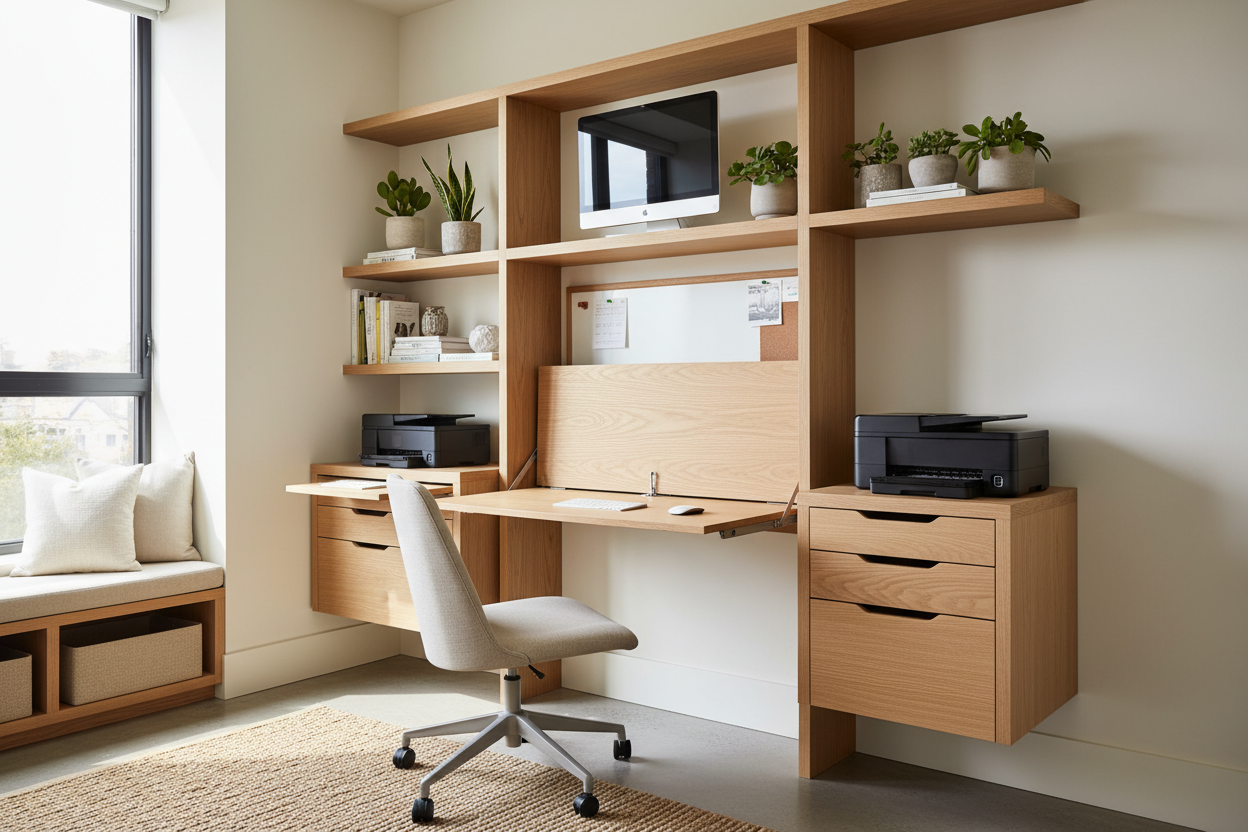
Placement is just as critical as the product itself. A common error is overcrowding open shelving with unmatched bins. This creates a "warehouse" look rather than a curated office.
Apply the rule of negative space. Leave breathing room between your containers. If you are using open shelving, alternate between a stack of horizontal paper trays and a vertical magazine file. This variation in height guides the eye rhythmically across the shelf, making the storage look intentional rather than accidental.
My Personal Take on Containers for Office
I learned a hard lesson about storage materials during a project for a boutique law firm in Chicago. We specified gorgeous, high-gloss black acrylic boxes for the associates' desks. They looked stunning in the rendering and on installation day.
However, two weeks later, the client called with a complaint I hadn't anticipated: dust and fingerprints. The high-gloss finish acted like a magnet for every speck of dust and every oily smudge from handling. It looked perpetually dirty unless wiped down hourly. Furthermore, the rigid acrylic made a sharp, distracting "clack" every time a pen or stapler was tossed inside.
Since then, I always steer clients toward matte finishes or lined interiors. I now recommend containers with a felt or cork bottom layer. It dampens the sound of items being dropped in—a small sensory detail that makes a massive difference in a quiet work environment.
Conclusion
Your workspace should be a reflection of your professional standards. By investing in high-quality storage, you are doing more than tidying up; you are curating an environment that respects your workflow. clear the decks, choose textures that inspire you, and let your design support your ambition.
Frequently Asked Questions
What is the best material for heavy file storage?
For heavy paper loads, rigid fiberboard reinforced with metal corners or solid wood crates are superior. Avoid fabric bins for heavy items, as the sides will eventually bulge and lose their crisp silhouette.
How do I mix different styles of containers without it looking messy?
Stick to a cohesive color palette. You can mix textures (like metal and wood) successfully if they share a similar tonal value. For example, matte black metal creates a sophisticated contrast alongside dark walnut wood boxes.
Are clear acrylic containers a good idea for general storage?
Only if the contents are visually pleasing. Clear containers force you to be organized inside the box. Use them for colorful pens or tech accessories, but use opaque storage containers for office supplies like cables, batteries, or miscellaneous papers to reduce visual noise.

Leave a comment
This site is protected by hCaptcha and the hCaptcha Privacy Policy and Terms of Service apply.