

















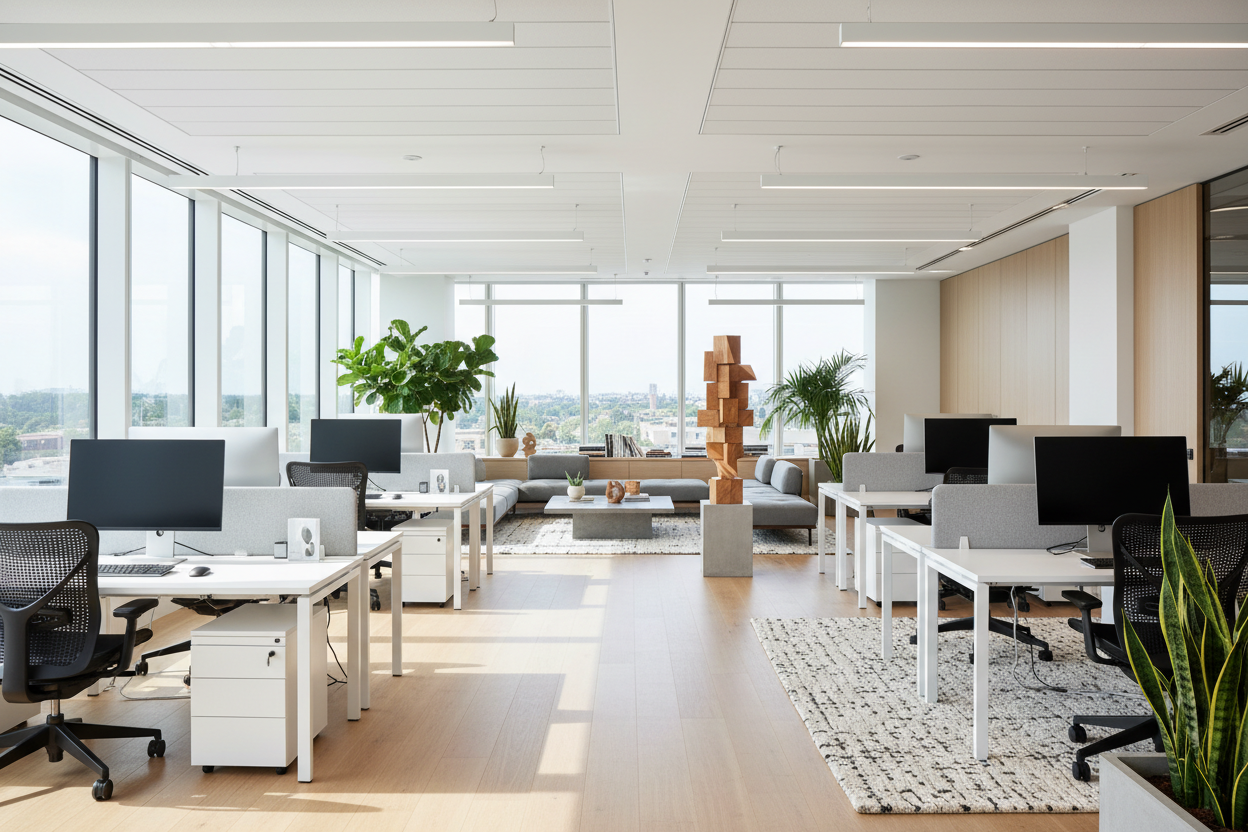
We have moved past the era of the soul-crushing grey cubicle, but we have also learned the hard way that the completely open-plan warehouse concept isn't perfect either. The challenge facing most businesses and homeowners today is finding the middle ground: a space that fosters collaboration without sacrificing deep focus. Modern offices are no longer just about aesthetics; they are about psychological comfort and workflow efficiency. Whether you are outfitting a corporate headquarters or a dedicated room at home, the goal is to create an environment that works as hard as you do.
Key Features to Look For
If you are planning a renovation or a new build, prioritize these core elements to ensure your space meets current standards for functionality and style:
- Acoustic Control: Look for baffles, PET felt panels, or soft furnishings to dampen sound in open layouts.
- Modular Flexibility: Choose furniture that can be reconfigured easily as team sizes or tasks change.
- Biophilic Elements: Integrate natural light and greenery to reduce stress and improve air quality.
- Layered Lighting: Combine ambient overhead lighting with task lamps to prevent eye strain.
- Ergonomic Support: Invest in seating and desks that support dynamic movement throughout the day.
Defining the Contemporary Office Layout
The backbone of any successful workspace is the floor plan. A contemporary office layout rejects the rigid grid in favor of "zoning." In my design practice, I encourage clients to think of their space in terms of energy levels. High-energy zones for collaboration should be distinct from low-energy quiet zones.
Balancing Openness and Privacy
While modern office space design often favors glass walls and sightlines, visual privacy is crucial. We are seeing a shift toward modern office walls that utilize switchable smart glass or semi-transparent shelving units. This maintains the airy feel of a modern office concept while allowing for necessary seclusion during sensitive meetings or deep-work sessions.
Materiality in Modern Office Interiors
The tactile experience of a room dictates its atmosphere. For a sophisticated office design, we are moving away from sterile laminates and toward materials with depth and authenticity.
Woods and Metals
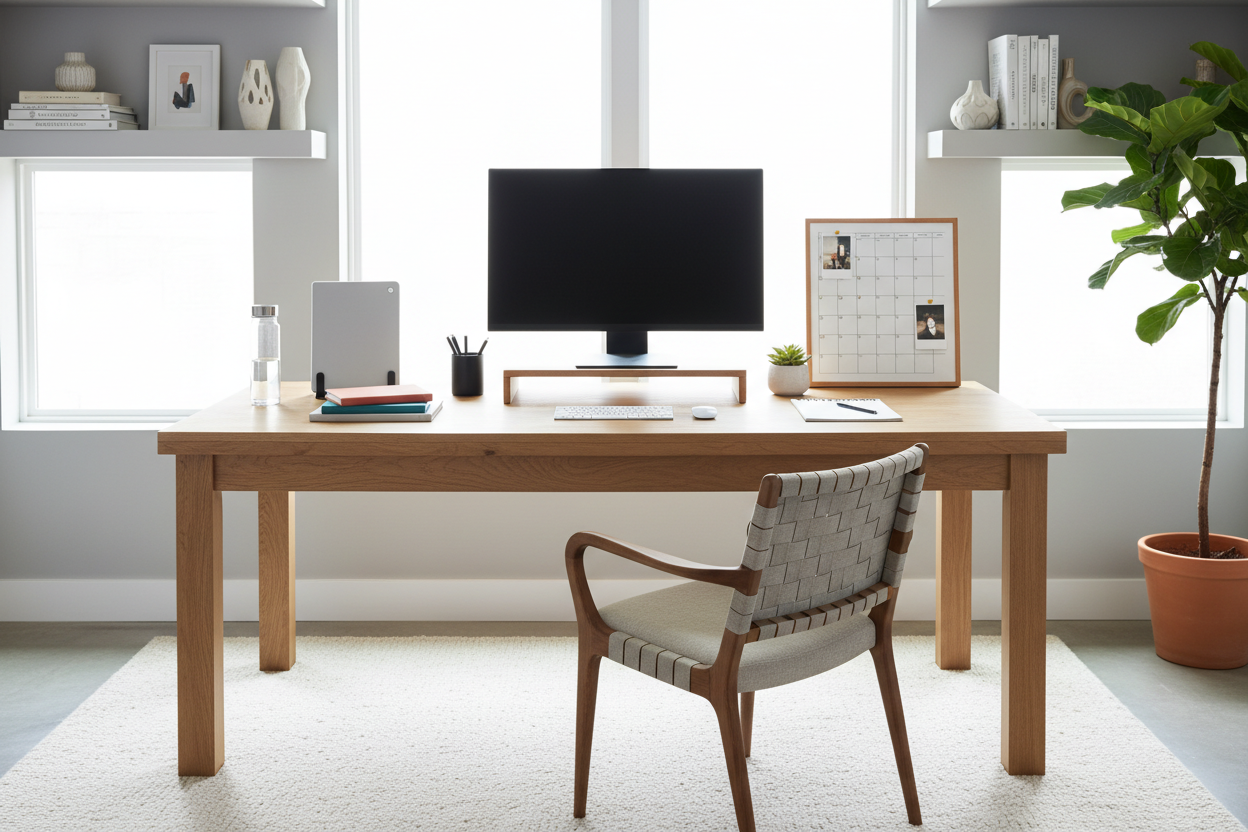
A modern corporate office benefits from the warmth of walnut or white oak, which grounds the space. Contrast this with matte black or brushed brass hardware for a sleek office design. When selecting modern office furniture design ideas, pay attention to the finish. High-gloss surfaces may look striking in a rendering, but in a modern day office, they can be a nightmare for glare and fingerprints.
Textiles and Softening
To prevent a modern office building interior from feeling cold or clinical, texture is your best tool. Commercial-grade wool blends on task chairs or a high-pile rug in a breakout area can soften the hard lines typical of modern architecture. This approach brings a touch of residential comfort into modern work spaces, a trend known as "resimercial" design.
Lighting: The Unsung Hero of Modern Workspaces
Lighting is often the difference between a modern office interior that feels energizing and one that induces fatigue. Avoid relying solely on the building's fluorescent grid. A truly modern office look layers light. Use linear pendants for general illumination, but ensure every modern office workspace has dedicated task lighting. Warm color temperatures (2700K-3000K) are inviting for lounge areas, while cooler temperatures (3500K-4000K) are better for focus areas.
My Personal Take on Modern Offices
In my years designing contemporary office spaces, I have learned that the "sleekest" choice is often the hardest to live with. I once designed a modern creative office space for a tech startup that insisted on an all-white, ultra-minimalist aesthetic—white desks, white epoxy floors, and floor-to-ceiling glass.
It looked incredible in the portfolio photos. However, three months later, the client called me back. The issue wasn't the look; it was the reality of daily use. The white surfaces showed every drop of coffee and every scuff mark from shoes. The glass walls created an echo chamber that made phone calls impossible. We had to retrofit the space with acoustic ceiling clouds and introduce textured desk pads to dampen the sound and protect the surfaces. Now, when I suggest modern office ideas, I always warn clients: do not sacrifice acoustics and durability for a glossy photo finish. Real work is messy; your design should be resilient enough to handle it.
Frequently Asked Questions
How can I make a small room feel like a modern office?
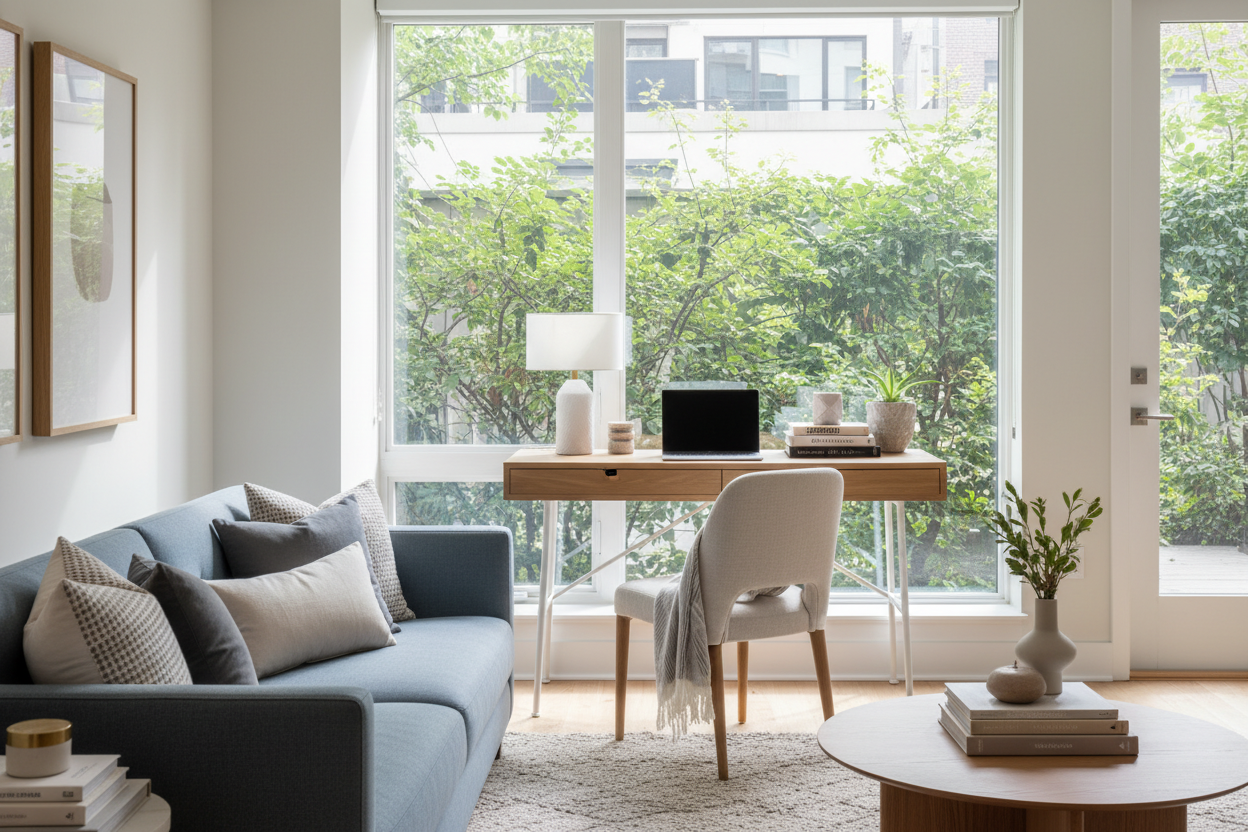
For modern office room ideas in small spaces, focus on verticality. Use wall-mounted shelving to keep the floor clear and choose a desk with visually lightweight legs (like hairpin or slender metal frames) rather than heavy block desks. This increases the perceived square footage.
What is the biggest trend in modern office interior design right now?
The most significant shift is the "agile" workspace. New office design prioritizes movement. This means sit-stand desks, movable acoustic partitions, and furniture on casters. The office adapts to the team, not the other way around.
Is a modern office style expensive to achieve?
Not necessarily. You can achieve a trendy office look by focusing on a few statement pieces, such as an ergonomic chair and proper lighting, while keeping the shell of the room simple. A minimalist approach—which is central to contemporary design office philosophy—naturally reduces the need for excessive decor.

Leave a comment
This site is protected by hCaptcha and the hCaptcha Privacy Policy and Terms of Service apply.