

















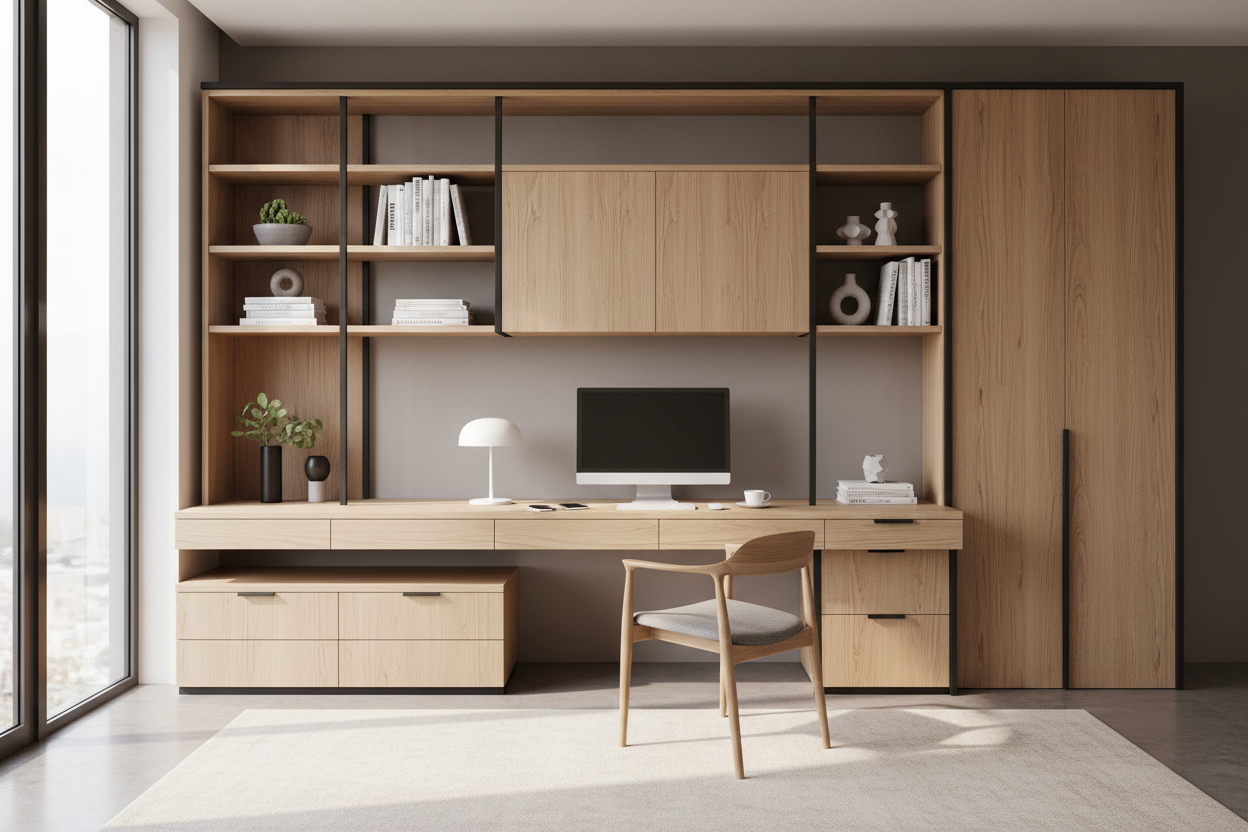
There is a distinct tension in interior design between the need for a clean, minimalist aesthetic and the practical reality of accumulating paperwork, tech gadgets, and stationery. Nothing disrupts the visual flow of a room faster than a cluttered surface. The solution lies not just in buying furniture, but in curating a cohesive system of desks and storage that serves both your workflow and your home's architecture. Whether you are outfitting a dedicated corporate corner or a multifunction guest room, the goal is to merge utility with sophisticated silhouettes.
Key Features to Look For
Before committing to a purchase, review these critical factors to ensure your furniture investment pays off in both longevity and functionality:
- Knee Clearance Width: Many office desks with storage sacrifice legroom for drawers. Ensure a minimum of 24 inches (60 cm) of width for comfortable chair movement.
- Material Durability: For daily use, High-Pressure Laminate (HPL) or solid hardwoods resist scratches better than standard veneers.
- Cable Management Integration: Look for grommets or hidden channels within the storage units to keep cords invisible.
- Storage Accessibility: Drawers should feature full-extension glides so you can reach items at the very back without struggle.
- Visual Weight: In smaller rooms, opt for legs rather than solid pedestals to maintain an airy feel.
Choosing the Right Material and Finish
When selecting office desks and storage, the material dictates not just the look, but the tactile experience of your workday. Solid wood, particularly walnut or white oak, offers a warmth and texture that synthetic materials cannot replicate. It ages beautifully, developing a patina over time. However, if you are designing high-traffic home workstations where coffee spills or heavy equipment are common, consider high-quality melamine or linoleum-topped surfaces. Linoleum, specifically, provides a soft, matte writing surface that is acoustically dampening—a subtle detail that elevates the user experience.
Space Planning: The Flow of Function
Positioning for Productivity
A common error is shoving a home office storage desk directly against a wall. If space permits, try 'floating' the desk in the center of the room or perpendicular to a wall. This allows you to utilize office table storage units behind you (credenzas) or to the side, creating an 'L' shape that defines the zone without building walls. This layout commands the room and improves sightlines.
Balancing Storage Volume
For home office desks and storage, balance is key. If you select a heavy, dual-pedestal executive desk, pair it with open shelving on the walls to prevent the room from feeling boxy. Conversely, if you prefer a minimalist, leggy desk table with storage limited to a single slim drawer, you will need substantial floor-standing cabinets nearby to hide the inevitable office clutter.
Ergonomics Meets Aesthetics
We often think of ergonomics regarding chairs, but it applies strictly to office tables with storage as well. The standard desk height is 29 to 30 inches. However, some storage table desk designs add thick aprons (the piece of wood connecting the legs) or shallow drawers right above the knees. This can restrict your ability to cross your legs or adjust your chair height properly. When sourcing a workstation desk with storage, always measure the clearance from the floor to the bottom of the desktop structure. A beautiful desk is useless if it forces poor posture.
Lessons from My Own Projects
I learned a hard lesson about finishes early in my career while designing a study for a client who loved the 'sleek Italian' look. I specified a stunning, high-gloss black lacquer desk with integrated side storage. It was visually arresting—a true focal point.
Two weeks later, the client called. The issue wasn't the storage capacity or the size; it was the maintenance. The high-gloss finish acted like a mirror for fingerprints, and the warmth from their laptop power brick actually caused the lacquer to soften slightly, leaving faint impressions. Furthermore, the sharp, architectural corners of the storage unit, while stylish, were digging into their forearm when they used the mouse. Since then, I always steer clients toward matte, textured finishes for the primary work surface and reserve high-gloss elements for vertical storage cabinet doors where hands rarely touch. Comfort must always precede the photo-finish.
Conclusion
Integrating desks for home office with storage is about finding the equilibrium between hiding the chaos of work and displaying the elegance of design. By prioritizing legroom, selecting forgiving materials, and planning your layout to encourage flow, you create a space that invites focus rather than fatigue. Invest in pieces that feel as good as they look, and your workspace will become an asset to your home.
Frequently Asked Questions
What is the best desk depth for a computer setup?
For a home computer desk with storage, aim for a depth of at least 24 to 30 inches. This allows enough distance between your eyes and the monitor while leaving space for a keyboard and a notepad without feeling cramped.
How do I mix and match desks and separate storage units?
To avoid a 'showroom' look, mix textures. If you have a timber work desk with storage, consider painted metal filing cabinets or a lacquer credenza. Keep the silhouettes similar (e.g., both mid-century modern or both industrial) to maintain visual harmony.
Are standing desks compatible with storage?
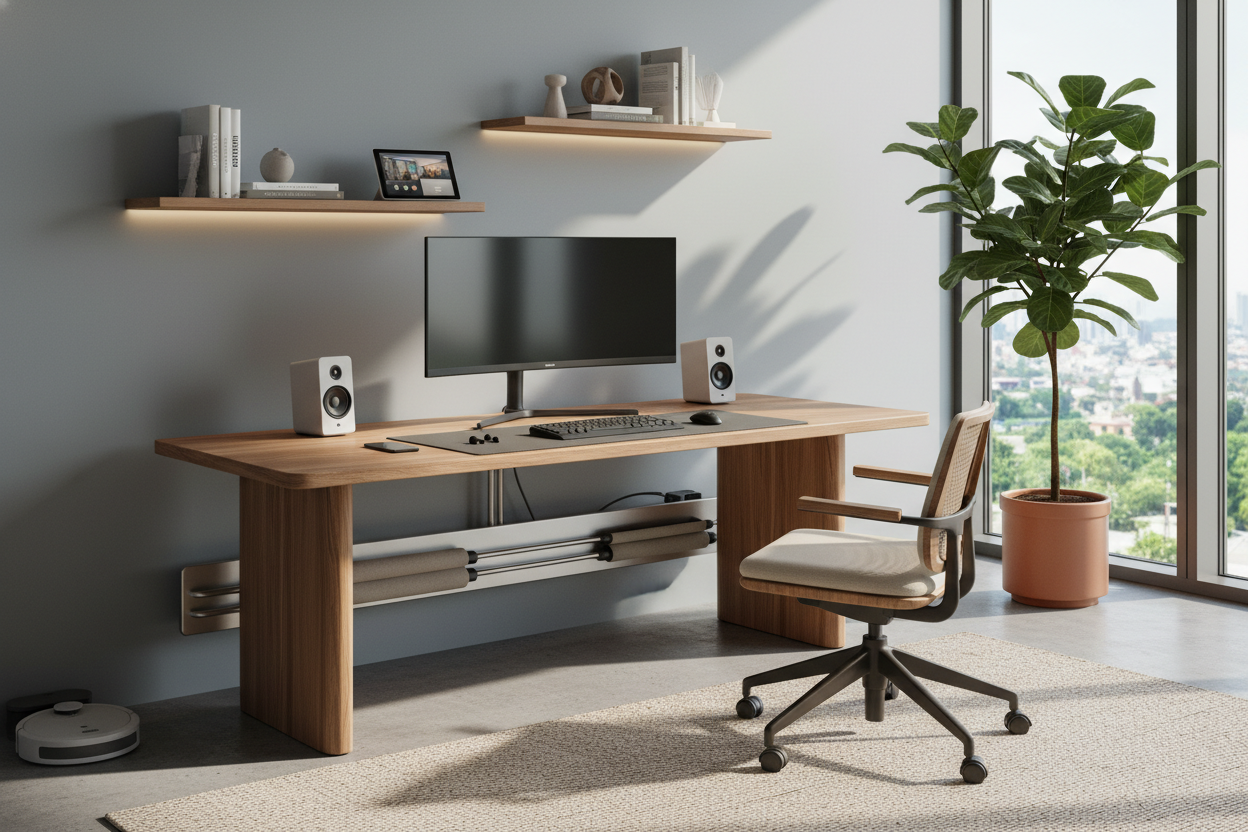
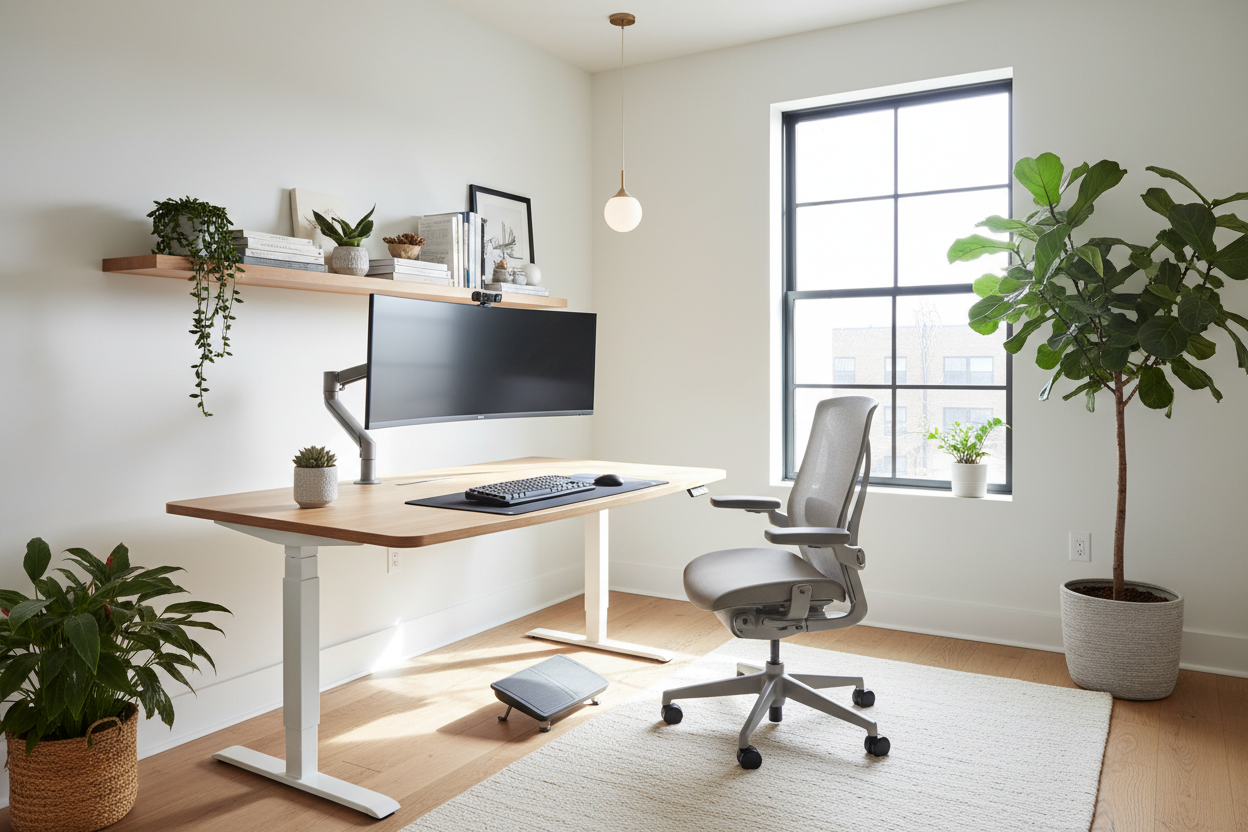
Yes, but usually as separate units. An adjustable office work table with storage built-in is rare because the weight of the drawers strains the motor. The best approach is a motorized standing desk paired with a separate, low mobile pedestal that rolls underneath.

Leave a comment
This site is protected by hCaptcha and the hCaptcha Privacy Policy and Terms of Service apply.