

















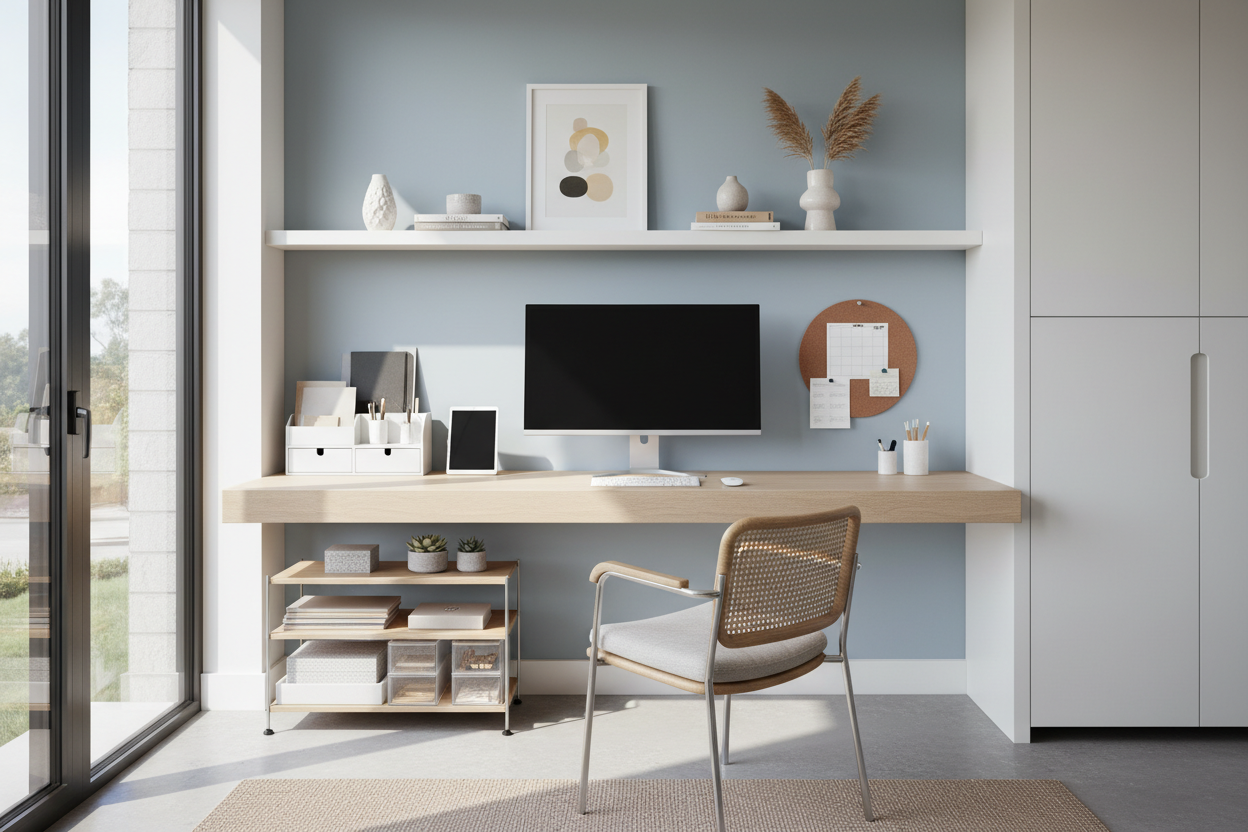
There is a distinct psychological shift that happens when you step into a curated workspace. If your desk is a landscape of scattered papers and tangled cords, your mind mirrors that chaos before you even send your first email. As an interior designer, I often tell clients that learning how to organize the home office is less about cleaning and more about spatial planning. It is about creating a functional ecosystem where every object earns its rent. Whether you are working from a sprawling executive room or a compact nook, the goal is to balance ergonomic utility with high-end aesthetics.
Quick Decision Guide: The Essentials of Organization
- Zoning: Establish distinct 'work,' 'reference,' and 'supply' zones to streamline movement.
- Verticality: Utilize wall height for shelving to free up floor space, crucial for organizing a small home office.
- Visual Noise: Hide unsightly items (cables, printers) and display inspiring ones (art, books).
- Ergonomics: Ensure your most-used items are within arm's reach to maintain a healthy posture.
- Lighting: Layer ambient and task lighting to reduce eye strain and highlight organizational features.
Mastering the Layout: Arranging Home Office Zones
The foundation of an organized home office space lies in the floor plan. In design terms, we look at the "work triangle"—the relationship between your chair, your desk surface, and your primary storage.
The Command Position
Ideally, position your desk so you have a view of the door but aren't directly in line with it. This commands the room. If you are organizing an office space at home that faces a wall, install a mirror or artwork above the monitor to create depth. This prevents the feeling of being boxed in and allows for a momentary visual break, which is essential for creative thinking.
Defining Work Zones
To achieve the best home office organization, separate your space based on frequency of use. Your "Active Zone" is the desk surface itself—keep it reserved for the laptop, a beverage, and a notebook. The "Reference Zone" (binders, manuals) should be in a drawer or on a nearby shelf. The "Archive Zone" can be placed in less accessible areas, such as high shelves or a closet.
The Desk: Prime Real Estate
When you organize your office at home, the desk is the focal point. Clutter here is often the result of delayed decision-making. To organize home desk surfaces effectively, use trays to corral loose items. I prefer leather or marble trays to add texture and weight, preventing items from sliding.
Cable management is the unsung hero of stylish office organization. Nothing ruins a sleek silhouette like a nest of black wires. Invest in a cable spine or under-desk trays. If you are using a glass desk, run cables down the leg closest to the outlet using clear clips or a sleeve that matches the metal finish.
Solutions for Compact Spaces
Organizing a small home office requires ingenuity. When horizontal space is limited, you must build up. Home office shelf organization in small rooms should go floor-to-ceiling. Use floating shelves to keep the floor visible; seeing the baseboards creates an optical illusion of more space.
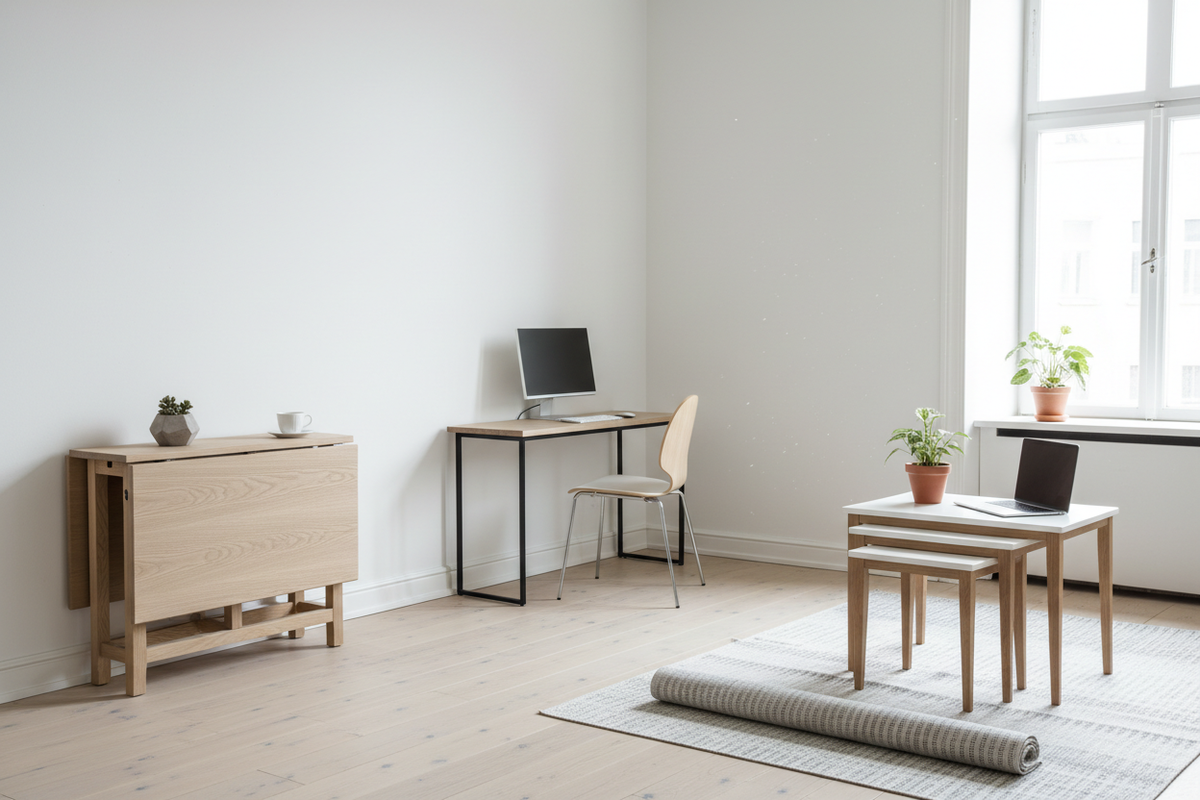
For work from home office organization in a dual-purpose room (like a guest bedroom), consider a "cloffice" (closet-office) or a secretary desk that closes up at the end of the day. This physical closing of the workspace signals to your brain that the workday is over.
Aesthetics and Storage Vessels
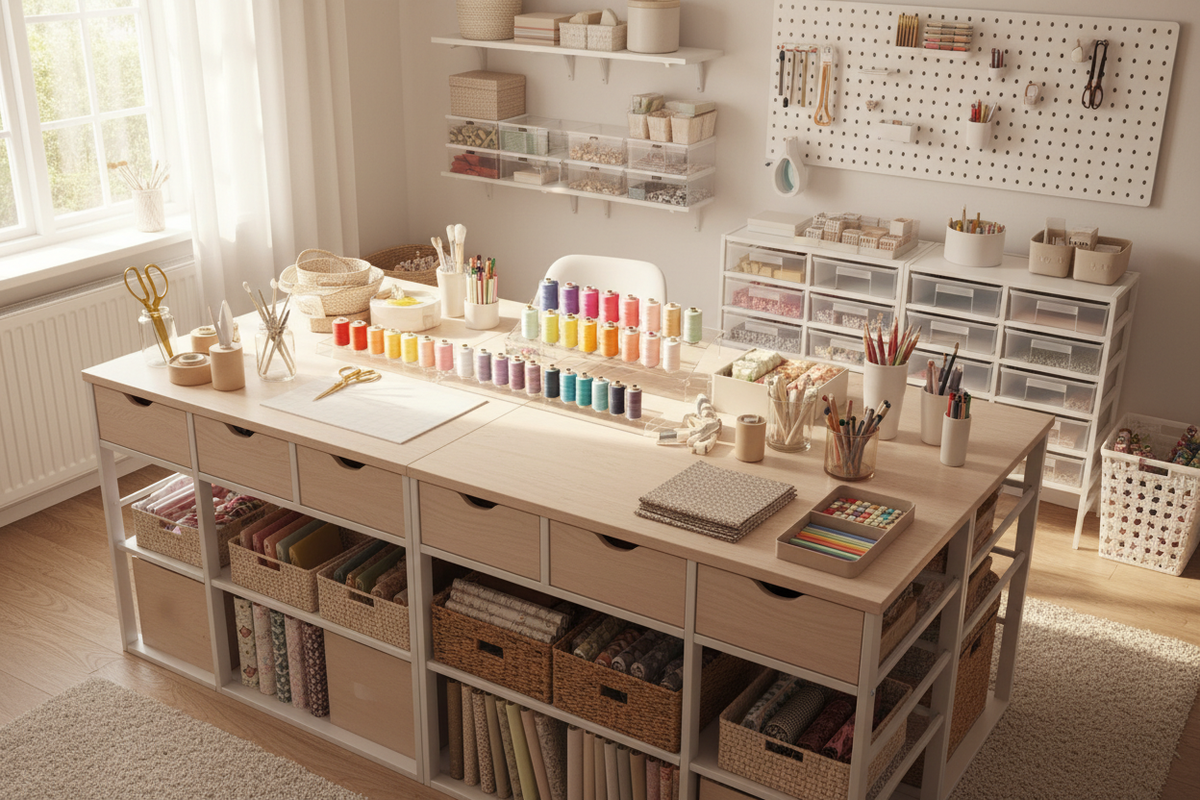
The best way to organize home office setups is to standardize your storage. Mismatched plastic bins create visual static. Switch to uniform file boxes—linen-wrapped or wood veneer—to create a cohesive look. This is a simple trick I use in showrooms to make even a wall of paperwork look like a design feature.
My Personal Take on How to Organize the Home Office
I learned a hard lesson early in my career regarding work from home organization ideas. I once designed a stunning, minimalist office for a client using open shelving exclusively. It looked incredible in the portfolio photos. However, three months later, I visited the client and found the shelves were a disaster. The client didn't have "display-worthy" accessories; they had ugly router boxes, reams of printer paper, and kids' art supplies.
The lesson? Always mix open and closed storage. In my own home office, I use a credenza with solid doors for the bottom half to hide the messy reality of work (cables, toner cartridges, ugly binders). The upper open shelves are strictly for curated books and a few sculptural pieces. It maintains the stylish office organization vibe without demanding I be a minimalist robot. Also, a pro tip: I line my desk drawers with felt. It sounds excessive, but it stops pens from rattling every time I close the drawer, and that silence feels incredibly luxurious.
Conclusion
Curating your workspace is an investment in your career and your peace of mind. By addressing layout, storage, and aesthetics simultaneously, you create an environment that pulls you in rather than pushing you away. Take these principles, clear the surface, and begin designing a space that works as hard as you do.
Frequently Asked Questions
How do I maintain an organized desk daily?
Adopt the "sunset rule." At the end of every workday, take five minutes to clear your desk completely. Return coffee cups to the kitchen and file papers away. This ensures you start the next morning with a clean slate and clear focus.
What is the best way to organize cables without drilling holes?
Use adhesive cable clips and Velcro sleeves. You can mount a power strip to the underside of your desk using strong double-sided mounting tape. This keeps plugs accessible but invisible from eye level.
How do I organize a home office with no storage space?
If built-ins aren't an option, utilize mobile pedestals (rolling file cabinets) that can tuck under the desk. Additionally, look for vertical wall organizers or pegboards, which are excellent for keeping small essentials off the desk surface while adding an industrial-chic aesthetic.

Leave a comment
This site is protected by hCaptcha and the hCaptcha Privacy Policy and Terms of Service apply.