

















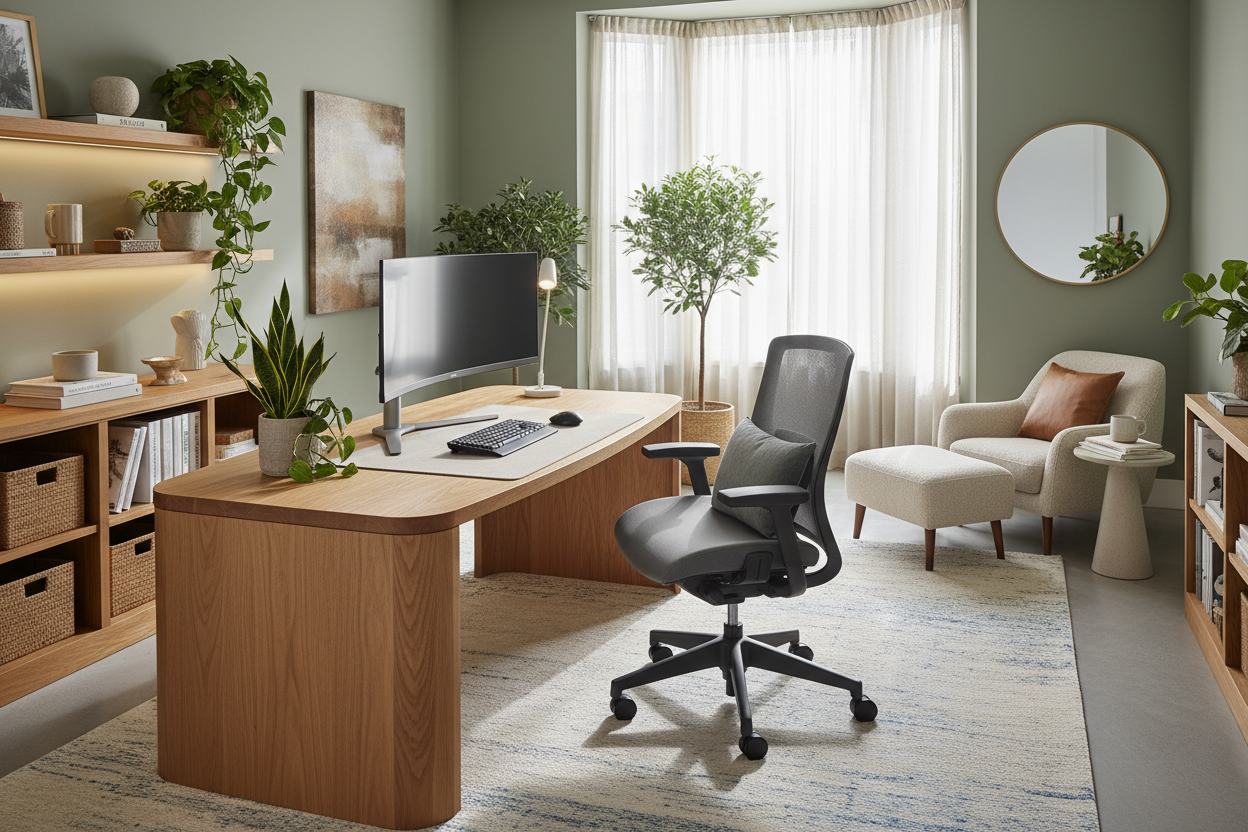
We all remember the initial scramble. The ironing boards turned standing desks, the dining tables commandeered by monitors, and the makeshift corners we hastily assembled. The shift to work from home during pandemic restrictions changed the trajectory of interior design forever. What began as a temporary necessity has evolved into a permanent fixture in modern luxury living. As we move away from emergency setups, the focus has shifted from mere functionality to creating a sophisticated, integrated workspace that enhances the home's overall aesthetic while preserving ergonomic integrity.
Key Features to Look For in Home Office Furniture
- Ergonomic Integrity: Look for adjustable lumbar support and seat depth, disguised within high-quality textiles rather than industrial mesh.
- Material Warmth: Opt for solid woods (walnut or white oak) over cold laminates to blend the office into the residential environment.
- Acoustic Properties: Upholstered furniture and plush rugs are essential for dampening sound echo during video calls.
- Visual Weight: In smaller rooms, choose desks with legs rather than blocky storage units to maintain a sense of openness.
- Cable Management: Integrated channels are non-negotiable to maintain a clean, uncluttered visual palette.
Zoning and Spatial Planning
One of the most significant design challenges due to work from home shifts is the bleeding of professional life into personal sanctuary. In my practice, I emphasize 'zoning'—creating a distinct architectural or visual boundary.
If you lack a dedicated room, use a console table or a low-profile bookshelf to anchor a floating desk. This creates a psychological barrier between 'work' and 'rest.' Position your primary seating to face into the room or towards a window (biophilic design principles), rather than staring at a blank wall. This positioning not only reduces eye strain but commands authority within the space.
Selecting the Right Materials: Durability Meets Style
The pandemic and work from home culture highlighted the importance of tactile surfaces. We are spending eight to ten hours touching these surfaces. Avoid glass tops; while they look sleek, they are cold to the touch and act as magnets for fingerprints and dust.
Instead, consider a leather-inlaid writing desk or a solid wood surface with a matte lacquer finish. These materials age beautifully and develop a patina over time. For seating, move away from the standard black office chair. Designers are now offering ergonomic task chairs upholstered in bouclé, velvet, or high-grade linen, allowing the piece to read as 'furniture' rather than 'equipment.'
The Importance of Lighting Layers
Working from home during the pandemic taught us that overhead recessed lighting is insufficient for video conferencing. You need a three-point lighting strategy: ambient light for the room, task lighting (a sculptural desk lamp) for focus, and diffuse frontal lighting to ensure you look professional on camera without harsh shadows.
My Personal Take on Work From Home During Pandemic Design
I learned a hard lesson early in 2020 on a project—and personally. Like many, I initially prioritized aesthetics over mechanics. I bought a stunning, mid-century modern vintage teak chair for my own home office. It had a beautiful silhouette that perfectly complemented my shelving.
However, after three weeks of 10-hour days, my lower back was in agony. I realized that vintage dining chairs simply do not have the pitch or foam density required for sustained work. I ended up having to swap it for a high-end ergonomic chair, but I compromised by having it custom upholstered in a cognac leather to match the room's palette. The lesson? Never sacrifice the mechanics of the body for the look of the room. You can have both, but the mechanics must come first. The wear patterns on the arms of that vintage chair also taught me that delicate vintage fabrics can't withstand the friction of daily typing elbows.
Conclusion
The reasons to work from home during pandemic lockdowns may have been out of necessity, but the choice to continue is often about lifestyle. Your environment should reflect that. By investing in quality materials, thoughtful layouts, and proper lighting, you transform a place of obligation into a space of inspiration.
Frequently Asked Questions
How do I fit a functional office in a small apartment?
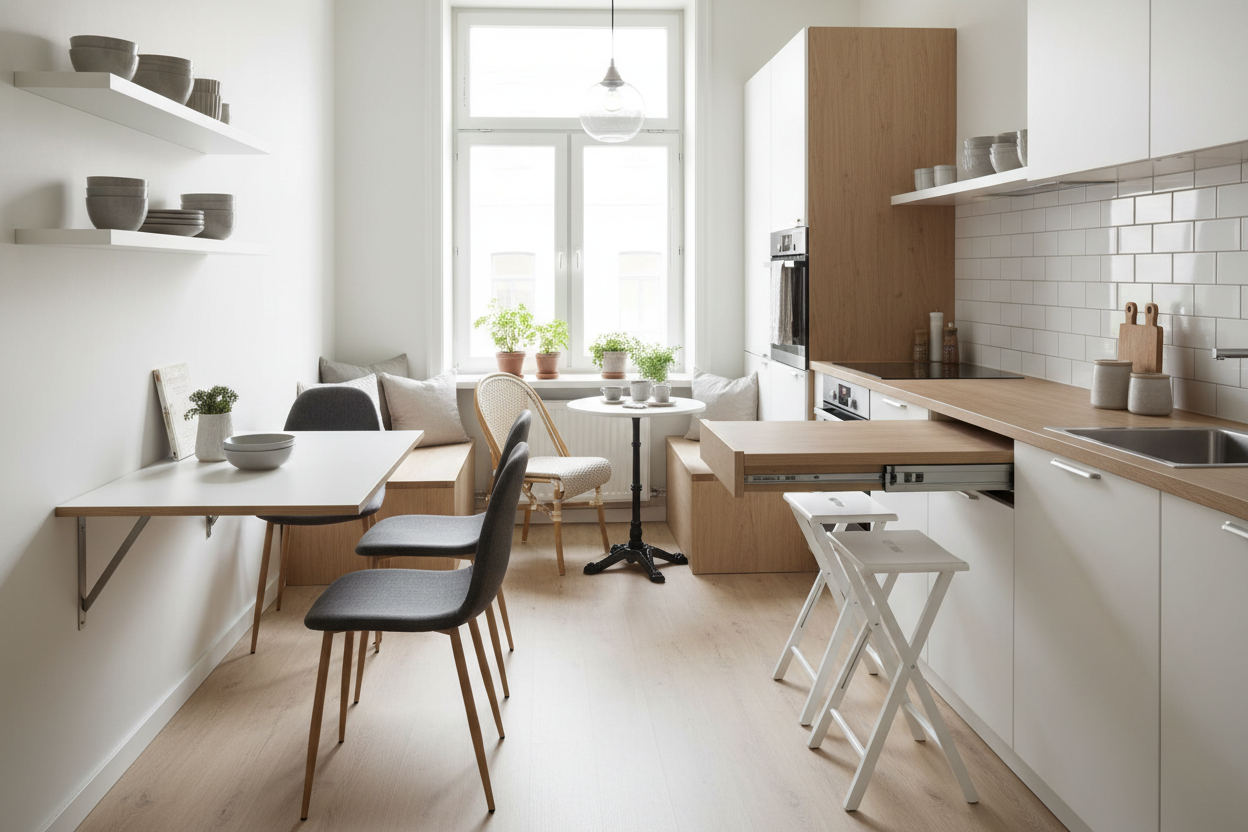
Focus on verticality. Use wall-mounted shelving units with a drop-down desk component (secretaire style). This allows you to physically close away your work at the end of the day, reclaiming your floor space.
Is a standing desk worth the investment for home interiors?
Yes, but aesthetics matter. Avoid the wobbly, industrial-looking metal frames. Look for standing desks with motorized legs that are shrouded in wood veneer or custom carpentry to maintain a residential feel.
What is the best rug size for a home office?
Ensure the rug is large enough that your chair remains on the rug even when pushed back. If the casters roll off the edge of the rug, it creates an uneven surface that is annoying and ruins the rug fibers over time.


Leave a comment
This site is protected by hCaptcha and the hCaptcha Privacy Policy and Terms of Service apply.