

















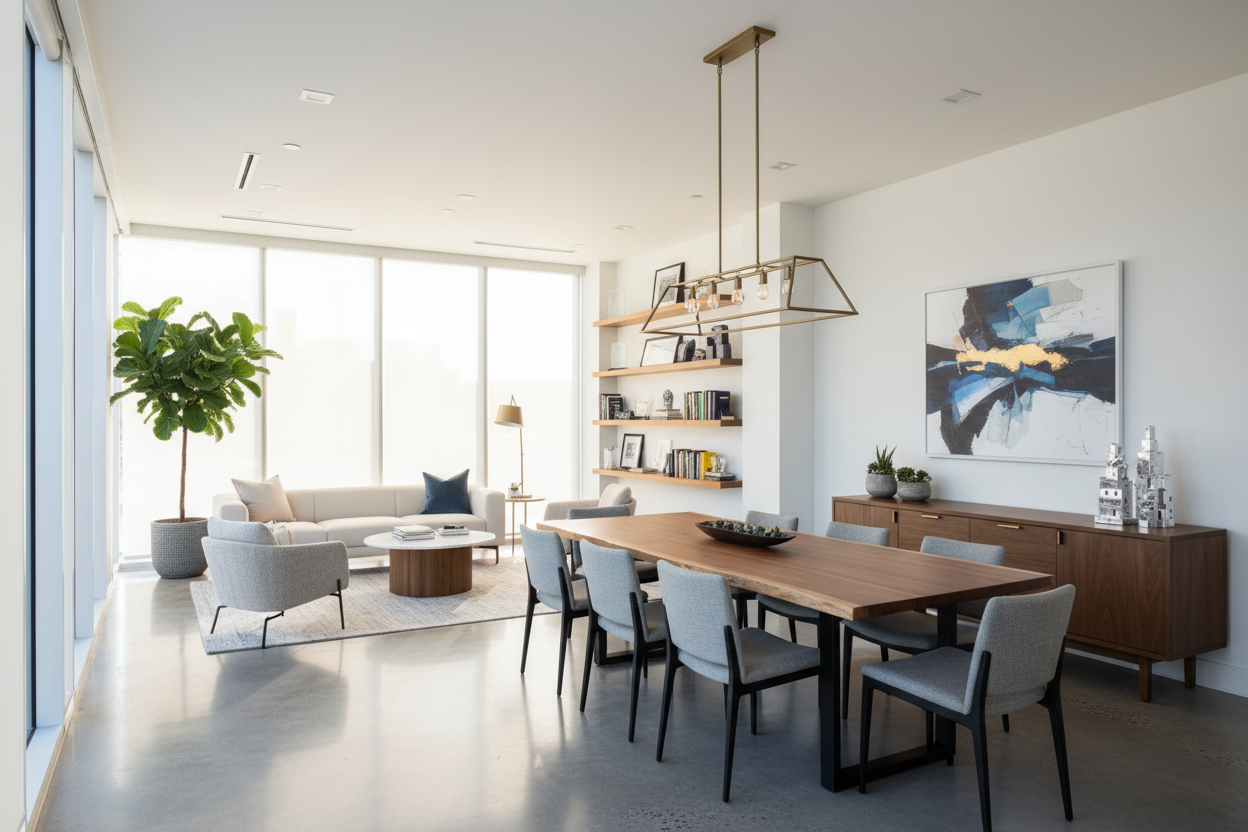
Your office is more than just a place to sign contracts; it is a physical manifestation of your brand's promise. When a client walks through your door, the environment should instantly communicate success, stability, and approachability. The dilemma many brokers face is balancing a professional aesthetic with a welcoming atmosphere. If the space feels too sterile, clients won't relax; too casual, and they may question your authority. This guide explores how strategic real estate office decor can bridge that gap, turning your workspace into a closing tool.
Key Elements of a High-Converting Office
Before purchasing furniture or selecting paint swatches, consider these fundamental pillars of successful commercial design. Focusing on these ensures your investment yields a functional return.
- Zoning & Flow: Distinct separation between high-energy sales floors and private consultation areas ensures client confidentiality.
- Acoustic Control: Use sound-absorbing materials (rugs, acoustic panels, upholstered furniture) to dampen noise in open real estate office layouts.
- Lighting Layers: Combine ambient overhead lighting with warm task lighting to avoid the harsh "hospital" look of standard fluorescents.
- Durability: Select commercial-grade fabrics (crypton or high-rub count blends) for real estate office furniture to withstand high foot traffic.
- Brand Continuity: Ensure your real estate office interior design reflects the price point and location of the properties you sell.
Establishing the Layout and Flow
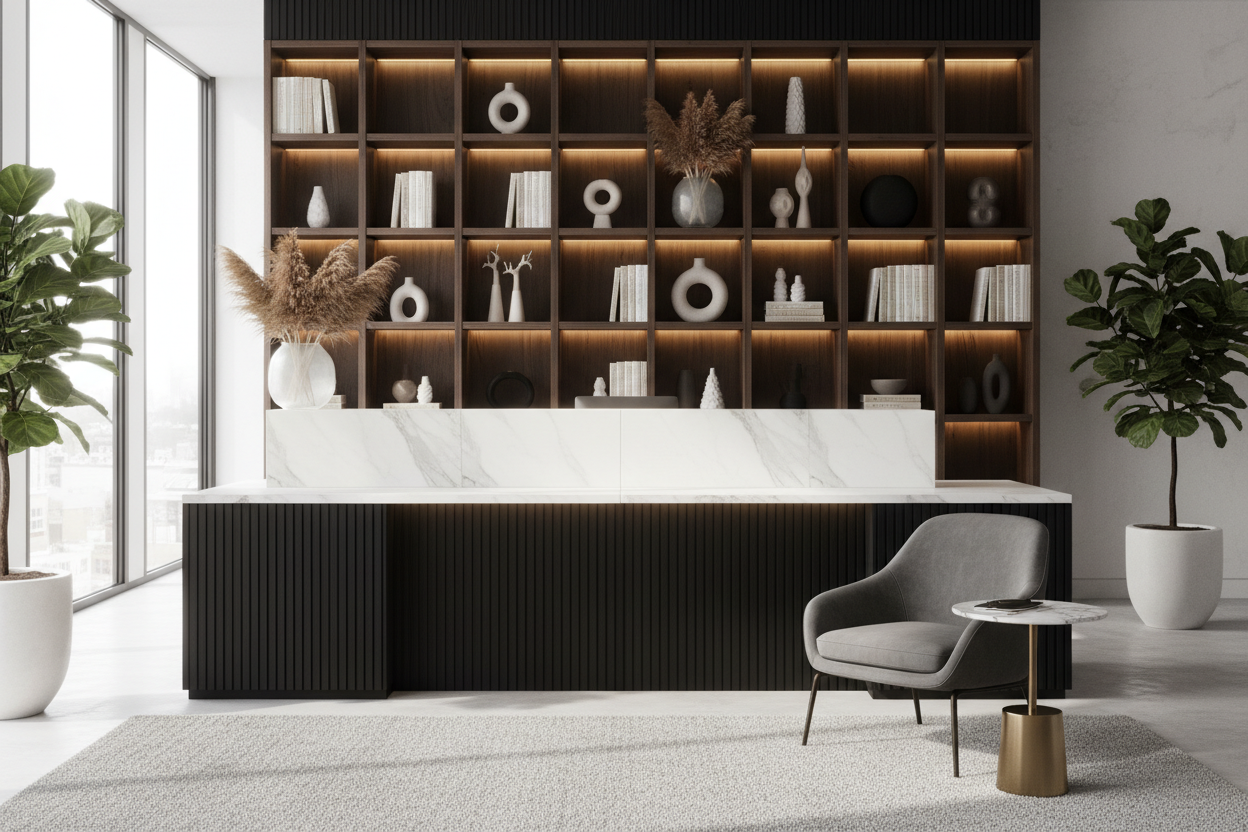
The foundation of any modern real estate office is the floor plan. In real estate office design layout, we prioritize the "client journey." The entry point should be open and uncluttered, leading naturally to a reception area that acts as a focal point. For the working zones, consider a hybrid approach. While open-plan bullpens encourage agent collaboration, they can be disastrous for confidential negotiations.
If you are working with a small real estate office interior, utilize glass partitions. They maintain visual connectivity and allow natural light to penetrate deep into the space, making the office feel larger while still providing necessary acoustic separation for closing deals.
Furniture Selection: Material and Ergonomics
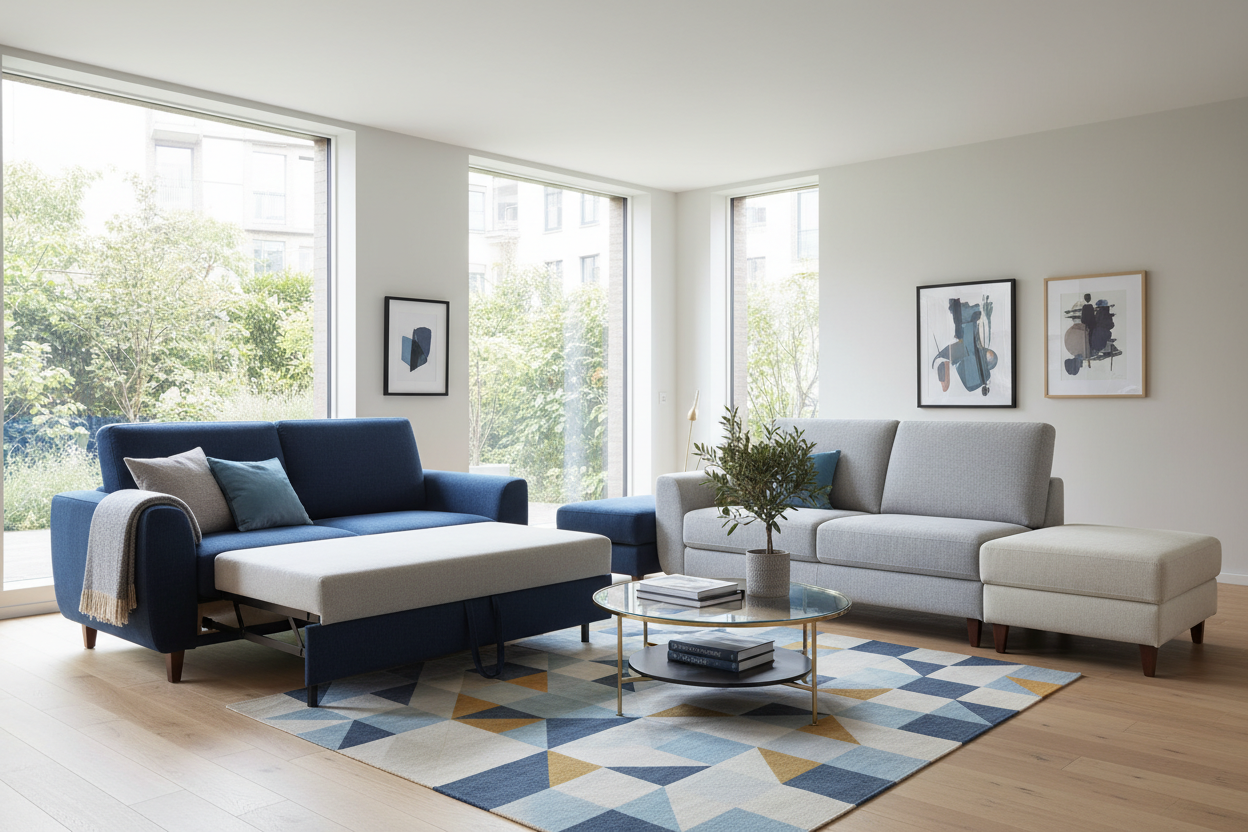
When selecting real estate office furniture, the tactile experience is just as important as the visual one. Cheap veneers and wobbly chairs subconsciously signal a lack of attention to detail. Instead, opt for solid wood conference tables or high-quality laminates with textured finishes that resist fingerprints.
The Client Chair
Never overlook the client's seating experience. A common real estate agent office design mistake is buying stylish but uncomfortable low-back chairs. Choose seating with lumbar support and a seat height that aligns perfectly with your desk. You want your clients to feel supported and grounded during stressful negotiations, not perched on the edge of a flimsy seat.
Visuals and Branding: Beyond the Map
Real estate wall art often falls into the trap of being generic—think stock photos of keys or oversized local maps. While maps are functional, cool real estate office interiors use art to evoke a lifestyle. If you sell luxury waterfront properties, invest in large-scale, abstract photography of textures like sand or water rather than literal pictures of houses.
For real estate office design trends, we are seeing a shift toward "resimercial" design—commercial spaces that feel like residential living rooms. Incorporate area rugs, floor lamps, and curated bookshelves to soften the corporate edge. This interior design for real estate office approach puts homeowners at ease because the environment mirrors the comfort of the homes they are buying or selling.
Designing for Compact Spaces
Small real estate office design ideas require vertical thinking. If your square footage is limited, keep the floor clear. Use floating shelves for awards and brochures rather than bulky bookcases. In a small real estate office, mirrors are your best friend; placing a large mirror opposite a window can double the perceived light and space.
Stick to a monochromatic color palette in smaller real estate office interiors. Varying shades of a single color (like warm greys or soft creams) creates a seamless look that prevents the room from feeling chopped up or cluttered.
Lessons from My Own Projects: The "Glass Fishbowl" Mistake
Early in my career, I designed a modern real estate office interior design for a boutique luxury brokerage. We went all-in on the "transparency" concept: floor-to-ceiling glass walls for every agent's office and the main conference room. It looked stunning architecturally—sleek, light, and incredibly modern.
However, three weeks after installation, the broker called me in a panic. The issue wasn't the look; it was the psychology. During a particularly emotional closing where a seller was tearing up, they felt completely exposed to the agents walking by in the hallway. The lack of visual privacy made clients guarded.
I had to retroactively install high-end, sheer linen drapery on tracks inside the glass cubes. It softened the acoustics (which were terrible in the glass box) and gave clients the option to draw the curtains for privacy. It taught me a valuable lesson: realtor office decor must prioritize the client's emotional state over architectural purity. Now, whenever I suggest glass partitions, I insist on frosted bands or integrated drapery from day one.
Conclusion
Great real estate office decor is a silent partner in your business. It sets the tone for professionalism, comforts anxious clients, and energizes your agents. By focusing on ergonomic furniture, strategic layouts, and lifestyle-driven aesthetics, you create a space that doesn't just house your business but actively helps you grow it. Start with your reception area today—it’s the handshake that happens before you even say hello.
Frequently Asked Questions
What is the best color scheme for a real estate office?
Neutral palettes with deep accent colors (navy, charcoal, or forest green) generally work best. They convey stability and trust. Avoid overly aggressive colors like bright red for wall paint, as they can induce anxiety during high-stakes negotiations.
How do I make a small real estate office look bigger?
Maximize natural light and use multi-functional furniture. A round meeting table often saves more space than a rectangular one and improves flow. Additionally, keeping real estate office wall decor large-scale but minimal prevents the "cluttered" feel that shrinks a room.
Is it worth investing in expensive real estate office art?
Yes, but focus on size and framing over famous artists. One large, well-framed piece of real estate office artwork looks significantly more high-end than a gallery wall of small, mismatched frames. It creates a focal point that anchors the room.

Leave a comment
This site is protected by hCaptcha and the hCaptcha Privacy Policy and Terms of Service apply.