
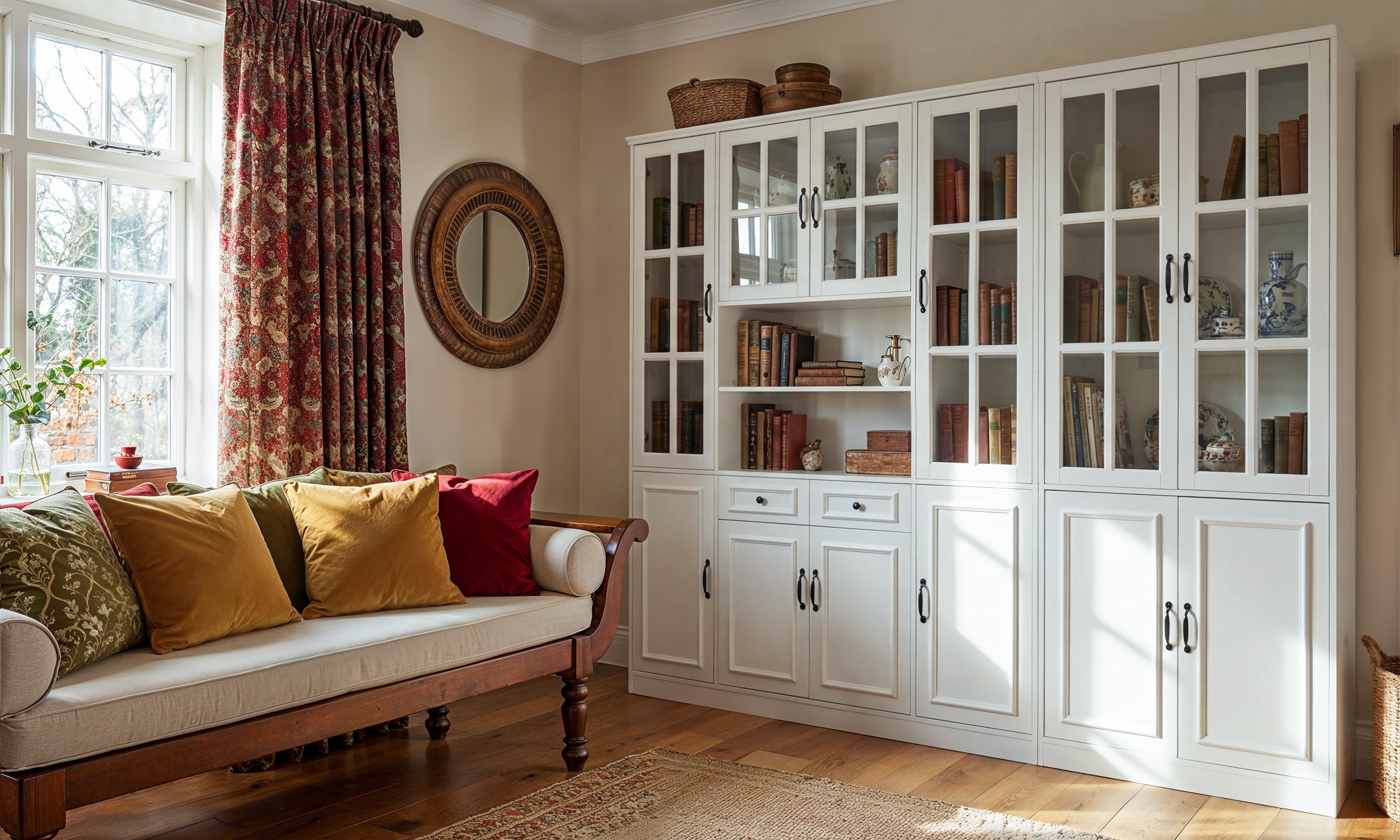





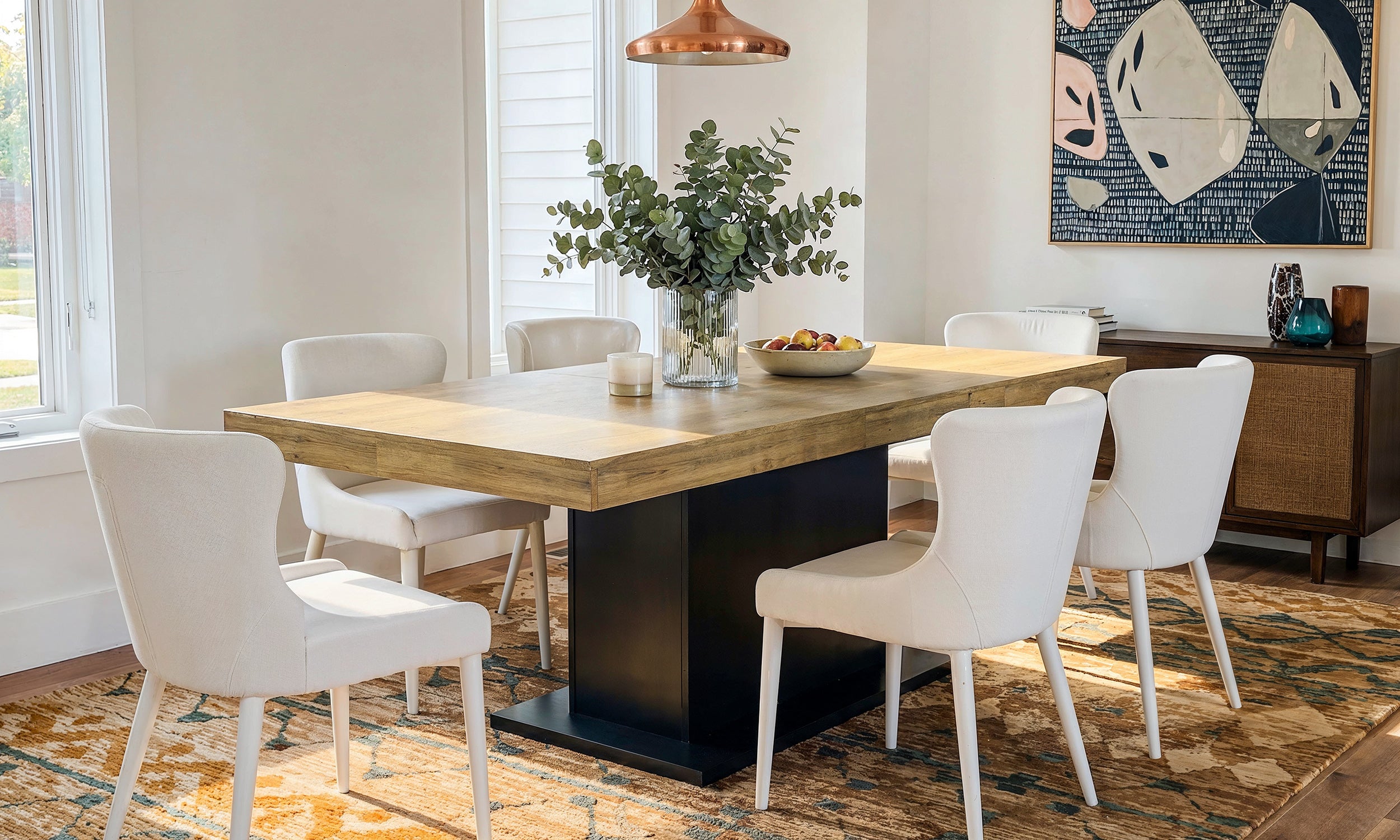
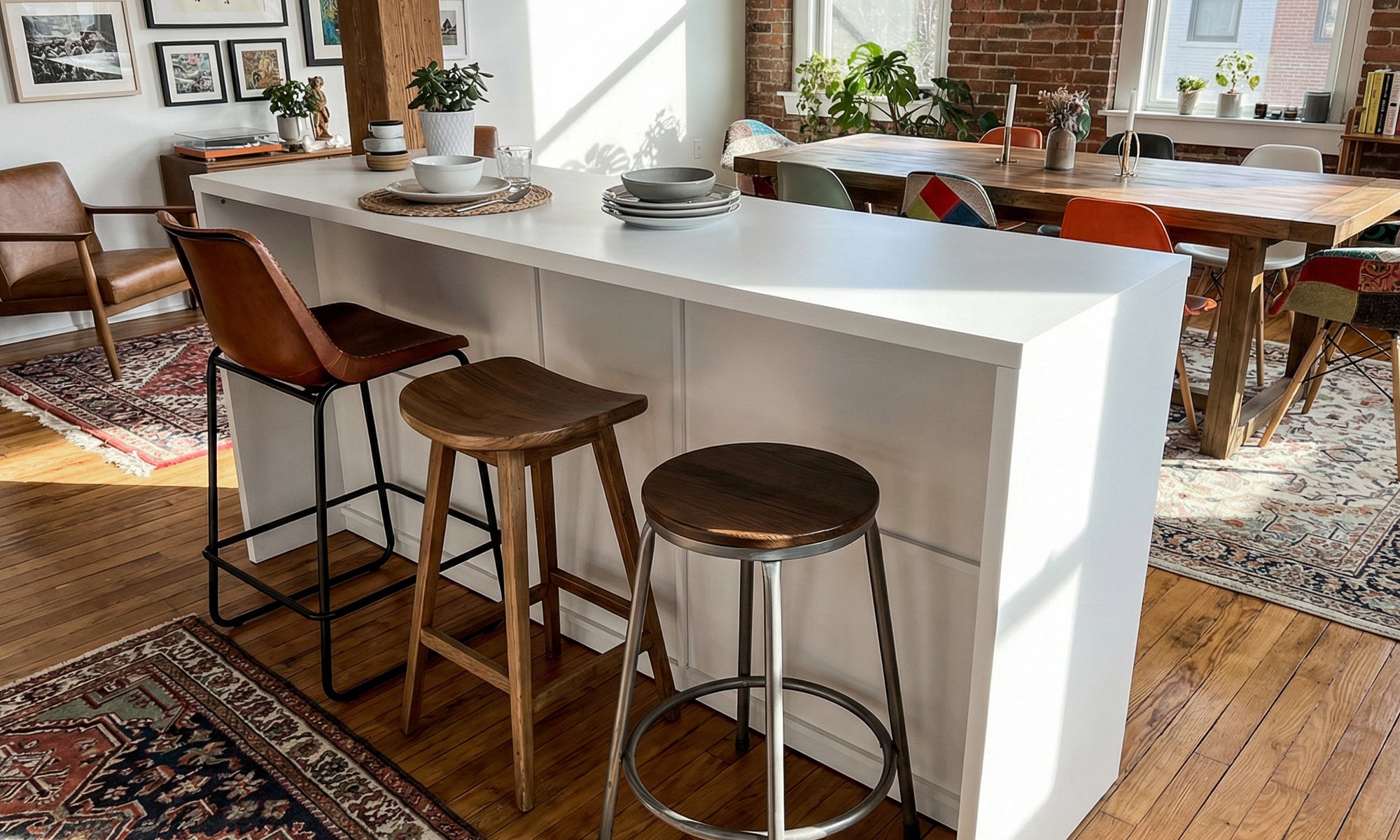






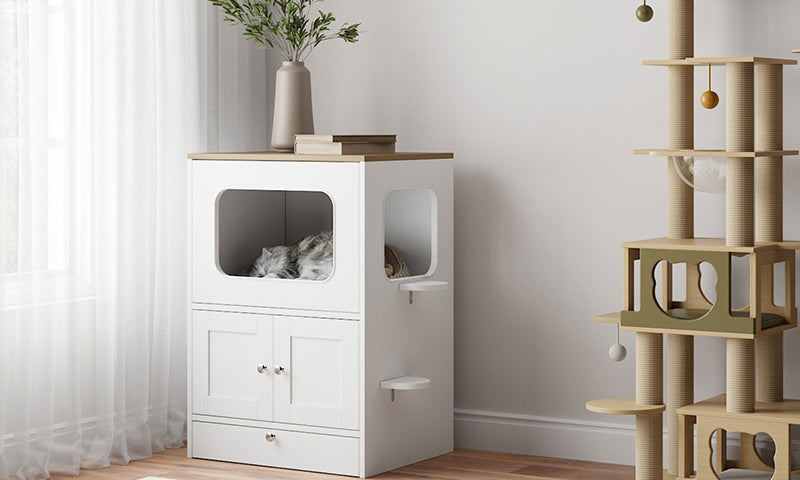


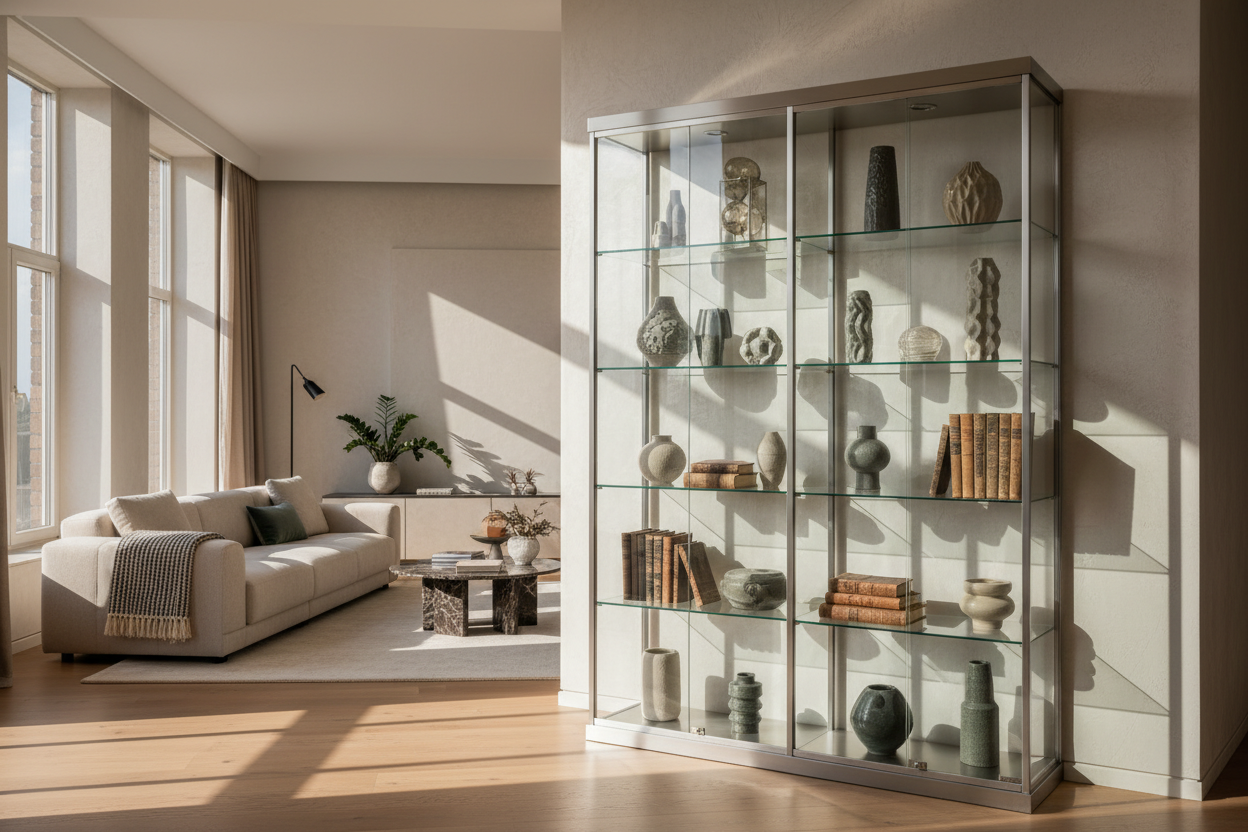
Have you ever spent a weekend assembling a living room curio, only to find the shelves bowing under the weight of your favorite stoneware a month later? Standard residential shelving often prioritizes flat-pack shipping over structural integrity. That is exactly why I frequently specify a display cabinet commercial grade for my residential clients. These heavy-duty pieces bring the structural brawn of a retail fixture into your dining or living room, offering a boutique aesthetic that actually lasts.
By stepping outside the traditional residential furniture market, you gain access to superior materials, higher weight capacities, and integrated lighting that makes your collections look like museum exhibits. In this guide, I will walk you through how to successfully source, scale, and style these commercial pieces in a residential setting without making your home feel like a retail store.
Quick Decision Guide
- Weight Capacity: Commercial cabinets often support 50+ pounds per shelf, making them ideal for heavy art books, vinyl records, or thick ceramics.
- Lighting Integration: Look for built-in, hardwired LED tracks rather than cheap, stick-on puck lights that require constant battery changes.
- Scale and Proportion: Ensure your room has at least 9-foot ceilings to accommodate the taller footprint typical of retail-grade fixtures.
- Security Features: Many commercial units come with subtle locking mechanisms, perfect for protecting valuable collections in busy households.
Built to Last: The Anatomy of Commercial Casework
When you buy standard home furniture, you are often paying for a thin veneer glued over MDF. Commercial fixtures are an entirely different beast. They are engineered for high-traffic environments, meaning they rely on solid welded steel, extruded aluminum, and high-density core boards designed to withstand daily abuse.
Tempered Glass and Heavy-Duty Hardware
If you are showcasing fragile items, a glass display cabinet commercial model is vastly superior to a standard home unit. The glass is usually thick, tempered, and edge-polished to prevent chipping. The hinges and drawer glides are rated for thousands of pulls, meaning the doors will not sag over time, even with daily use in a busy family dining room.
Scaling Commercial Pieces for Residential Rooms
Retail fixtures are designed for massive showrooms with high ceilings. Dropping one into a standard suburban living room requires careful spatial planning. A tall, dark metal cabinet carries immense visual weight and can easily overpower a room if not balanced correctly.
Managing Visual Weight
I recommend leaving a minimum of 36 inches of negative space around the cabinet. Do not jam it into a tight corner or flank it with equally bulky furniture. If the cabinet has a solid back, consider painting the wall behind it a lighter shade to create contrast. If it is glass-backed, ensure it sits against a wall with clean, intentional wallpaper or a rich, saturated paint color to ground the piece visually.
Softening the Showroom Look
The main risk of using commercial furniture at home is that your space might end up feeling clinical. The trick to making it work is deliberate juxtaposition. You want the architecture of the piece to be sharp, but the styling to be warm and inviting.
Layering Textures and Organics
Pair the hard lines of a commercial cabinet with soft, organic elements. If you have a sleek metal and glass unit, place a plush, hand-knotted wool rug beneath it. Inside the cabinet, mix your rigid items—like structured books or geometric sculptures—with trailing plants, natural wood bowls, or warm, woven baskets to break up the rigid industrial feel.
Lessons from My Own Projects
A few years ago, I sourced a stunning vintage bakery display case for a client's modern farmhouse dining room. The aesthetic was flawless. It had massive sliding glass doors and heavy industrial brass tracks. But I learned a harsh lesson about commercial hardware: it is built strictly for durability, not acoustic comfort.
Every time the client opened the cabinet to grab a wine glass, the metal-on-metal grinding echoed through the entire house. It sounded like a subway train pulling into a station. We eventually had to retrofit the tracks with custom felt and silicone dampeners to quiet it down. Now, I always test the acoustic footprint of commercial pieces before bringing them into a quiet home environment.
Frequently Asked Questions
Are commercial display cabinets safe for homes with children?
Yes, they are often safer than residential equivalents. They are built heavier, making them harder to tip, and almost exclusively use shatter-resistant tempered glass. However, regardless of weight, you must still secure them to the wall with heavy-duty anti-tip brackets.
How do I clean a large commercial glass cabinet?
Skip the standard blue glass cleaner, which tends to leave streaks on massive panes of glass. Use a mixture of distilled water and white vinegar, applied with a flat microfiber mop designed for windows. This cuts your cleaning time in half and leaves a flawless finish.
Can I plug commercial cabinet lighting into a standard wall outlet?
Most commercial units are designed to be hardwired by an electrician. If you are buying a used retail fixture or an architectural salvage piece, you will likely need an electrician to convert the wiring to a standard residential plug or wire it directly into your home's electrical system.



Leave a comment
This site is protected by hCaptcha and the hCaptcha Privacy Policy and Terms of Service apply.