










Desk Chair Archetypes: Matching Task Profiles to Support Mechanisms
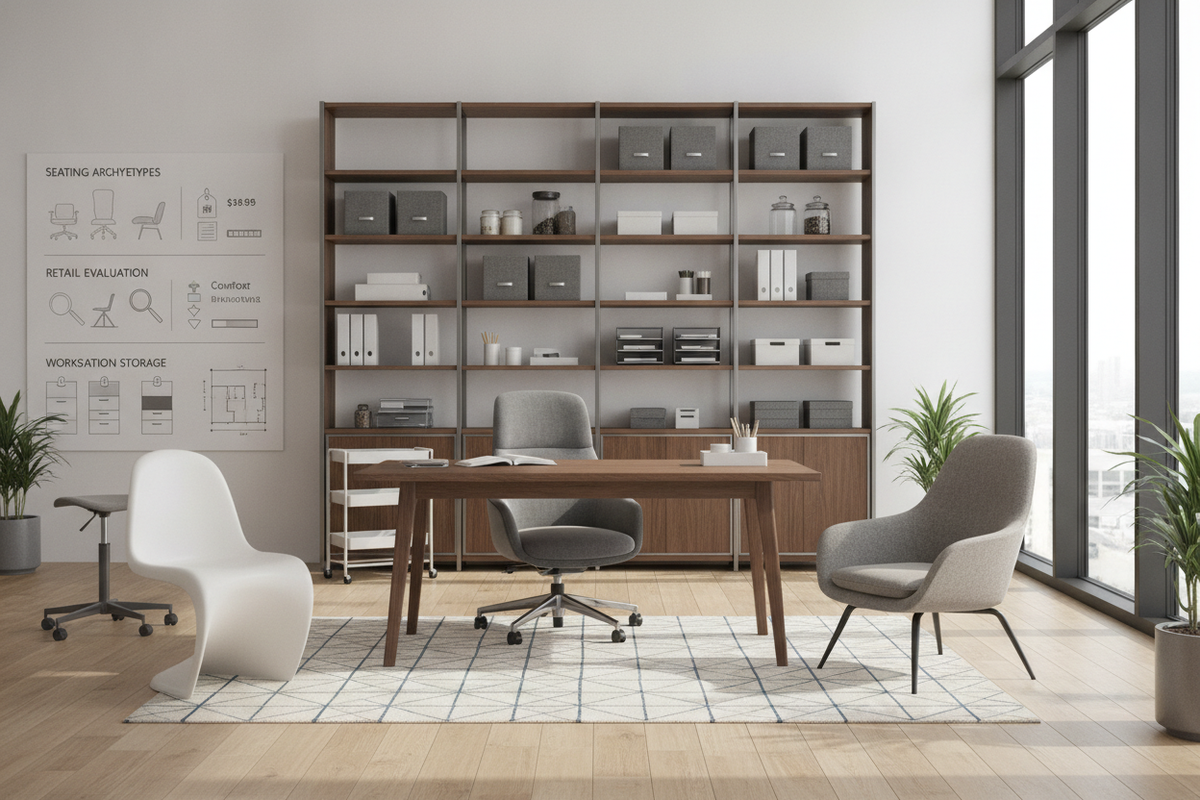
Selecting the right desk chair begins with understanding how your daily work patterns align with different seating structures. A chair engineered for brief study sessions or intermittent laptop tasks requires different mechanical features than seating meant to support full workdays. Evaluating archetypes helps clarify which frame geometry, adjustability mechanisms, and padding density best match your daily workflow.
For a detailed breakdown of home seating aesthetics and practical requirements, our office chair guide explores the intersection between daily comfort and room design.
Task and Computer Chairs for Flexible Daily Use
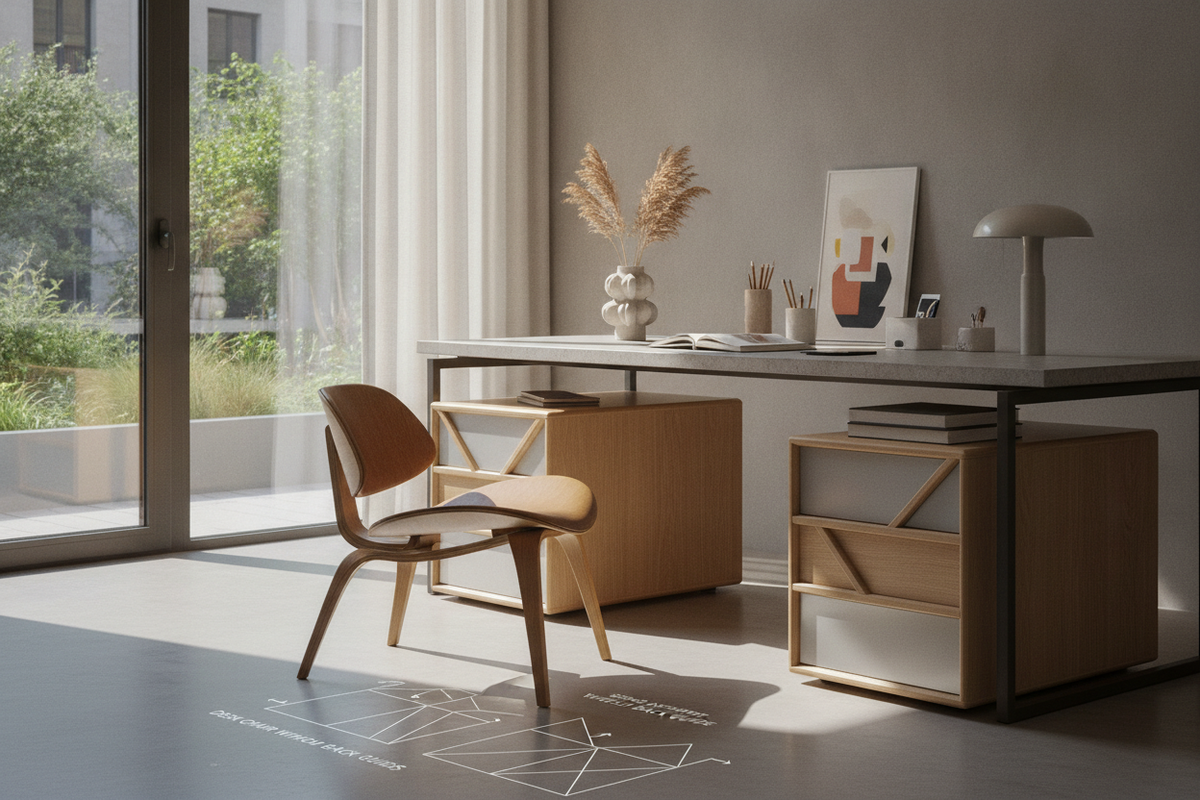
Task chairs and computer chairs emphasize agility, low visual weight, and straightforward adjustments. These models typically feature streamlined mid-back frames, basic pneumatic height controls, and responsive swivel mechanisms. Because they do not incorporate bulky headrests or oversized outer frames, task chairs fit neatly into multi-use guest rooms, compact study nooks, and collaborative spaces. Their lighter footprint also makes them easier to slide completely under desks when not in use, preserving open floor space in smaller rooms.
High-Back and Executive Chairs for Extended Work Sessions
High-back and executive chairs are designed for dedicated office spaces where users spend substantial time at their workstation. These designs incorporate full backrests that support the shoulders and spine, often paired with integrated headrests and multi-position tilt-lock controls. Executive profiles frequently utilize thicker seat cushions and padded armrests, creating a substantial visual presence that anchors larger workstation layouts.
In-Store vs. Online Procurement: Evaluating Comfort, Stock, and Delivery
Finding the right chair often involves choosing between visiting local retail showrooms or ordering through comprehensive online furniture catalogs. Both approaches offer clear advantages depending on your delivery timelines, need for tactile testing, and design preferences.
Showroom Testing Protocols for Local Chair Shopping
Testing chairs in a physical showroom allows you to evaluate mechanical feedback and tactile comfort before making a purchase. When testing in-store models, focus on several practical evaluation points:
- Pneumatic Lift Smoothness: Engage the height adjustment lever to ensure the cylinder moves smoothly without hitching, wobbling, or sudden drops.
- Tilt Tension Resistance: Turn the tension knob beneath the seat pan to verify whether the recline resistance matches your body weight and preferred posture.
- Armrest Stability: Check whether adjustable armrests lock securely in place without excessive play or rattling when bearing downward pressure.
- Cushion Recovery: Sit on the seat pan for several minutes, stand up, and observe how quickly the foam core returns to its original shape.
Navigating Online Specifications and Return Assurances
Online purchasing offers access to wider color choices, specialized fabric finishes, and modular desk combinations. When shopping online, focus on exact dimensional diagrams. Check minimum and maximum seat pan heights, total armrest elevation, and base diameter spans against your desk opening. Reviewing detailed schematic drawings ensures the chair will dock under your workstation without obstruction.
Dimensional Planning and Spatial Clearances Around the Workstation
A well-proportioned desk chair must integrate harmoniously into your workspace layout. Proper spatial planning ensures smooth movement, prevents collision with furniture edges, and maintains clear room traffic paths. Coordinating your seating dimensions with a dedicated computer desk collection ensures ample knee space and natural arm alignment.
Under-Desk Clearance and Armrest Docking Ratios
Armrest clearance is a critical factor in maintaining an organized office. If armrests sit higher than the lower edge of the desk frame, pencil drawer, or apron, the chair cannot be pushed fully inward when work concludes. To ensure smooth docking:
- Measure the vertical distance from the floor to the lowest underside obstruction of your desk.
- Verify the chair's maximum armrest height at your preferred seated level to confirm adequate clearance.
- Opt for height-adjustable or flip-up armrests if your desk features a low apron or shallow lap drawer.
Mobility Radius and Floor Surface Compatibility
A mobile desk chair requires a clear perimeter to slide back smoothly when standing up. Ensure there is unobstructed clearance behind the desk edge to allow natural pushback without bumping into rear walls, radiators, or storage cabinets. Additionally, consider your flooring material: softer polyurethane casters glide quietly over hard surfaces, while firmer nylon wheels are suited for short-pile rugs or protective floor mats.
Material Selection, Frame Architecture, and Long-Term Durability
The durability and daily comfort of a desk chair depend heavily on the materials used in its upholstery and internal frame construction. Balancing ventilation, cushioning support, and structural stability ensures your chair remains comfortable over time.
For inspiration on incorporating statement fabrics and refined finishes into modern office interiors, consult our desk chair guide on styling seating for a luxury aesthetic.
Upholstery Comparison: Breathability vs. Tactile Cushioning
Upholstery choices define both thermal comfort and tactile experience during long workdays:
- Breathable Mesh: Open-weave mesh promotes constant air circulation, keeping the back cool in warmer environments while providing flexible support.
- Molded Foam with Performance Fabric: High-density foam cushions wrapped in woven textiles offer resilient pressure distribution and durable daily wear.
- Supple Leather and Faux Leather: Smooth leather surfaces deliver a classic executive look that wipes clean easily and pairs naturally with dark wood or metallic accents.
Core Mechanics: Gas Lift Classes and Base Stability
The stability of a swivel chair rests on its pneumatic cylinder, tilt mechanism, and star base. Heavy-duty five-star bases crafted from reinforced nylon or polished metal distribute weight evenly to prevent tipping during deep reclines. Multi-locking tilt mechanisms allow you to secure the backrest at upright, intermediate, or relaxed angles depending on whether you are typing, reading, or on calls.
Integrating Desk Chairs with Corner Desks and Executive Storage Layouts
A desk chair does not function in isolation; its mobility and visual scale must coordinate with surrounding storage cabinets, side credenzas, and corner desk layouts.
Compact and Corner Workstation Optimization
In L-shaped and corner desk environments, chair movement occurs along dual axes. When configuring a workstation around an office computer desk product, ensure the caster base can swivel between monitor setups without striking interior return panels or corner leg supports. Compact or mid-back chairs are especially effective in corner nooks because their streamlined silhouettes maintain open sightlines across the room.
Executive Suite and Storage Credenza Coordination
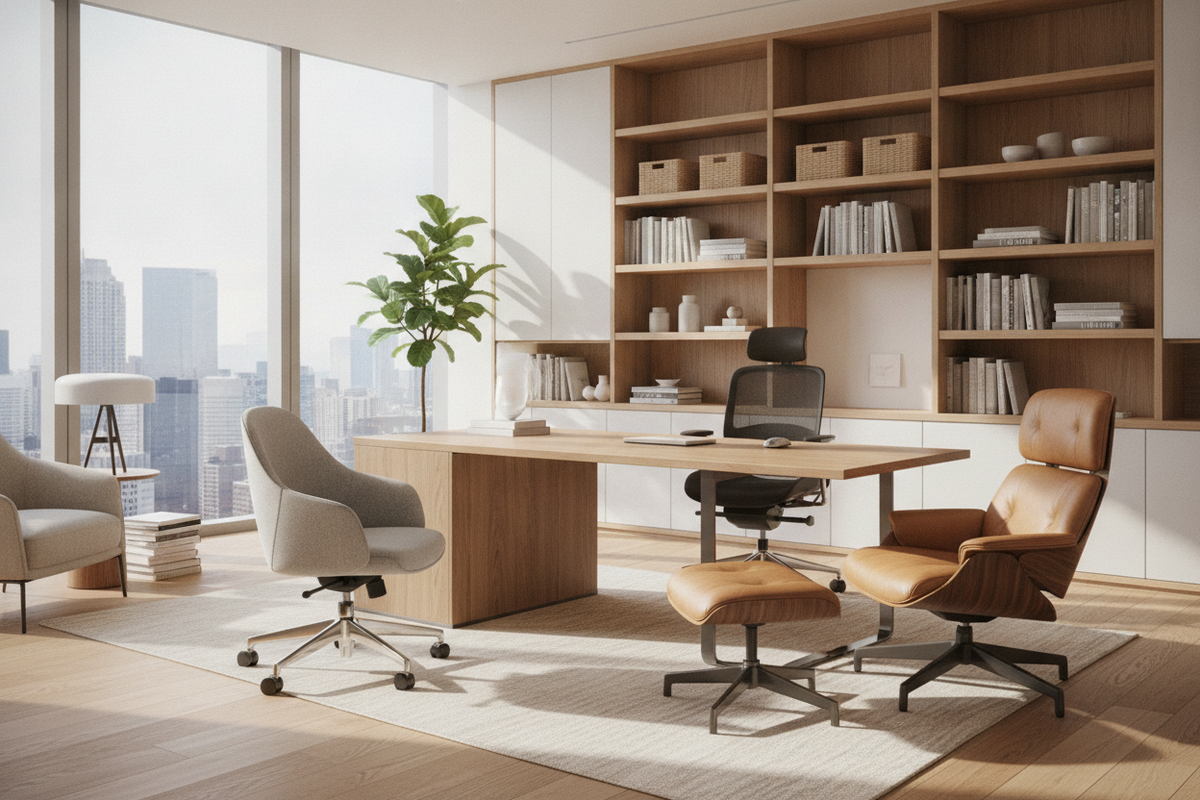
Larger professional suites require thoughtful coordination between substantial executive chairs and primary work surfaces. When anchoring an executive workspace with an expansive counter such as a desk executive office product, position the chair to preserve a generous walkway behind the workstation. This buffer zone allows easy access to lateral file cabinets, credenzas, and decorative shelving without overcrowding the office layout.

Leave a comment
This site is protected by hCaptcha and the hCaptcha Privacy Policy and Terms of Service apply.