


















We have all been there: trying to finalize a presentation while perched on a rigid dining chair, fighting the glare from a window behind us, surrounded by domestic clutter. It is the antithesis of a productive environment. As an interior designer, I often tell my clients that productivity isn't just about discipline; it is about environment. Learning how to work from home successfully requires a shift in how we view our living spaces—transforming them from places of rest into zones of high-performance without sacrificing style.
Key Design Pillars for a Home Office
- Ergonomic Foundation: Prioritize a chair with adjustable lumbar support and seat depth over purely aesthetic accent chairs.
- Layered Lighting: Combine ambient overhead light with articulated task lighting (ideally 4000K) to reduce eye strain.
- Spatial Zoning: Establish a distinct "command position" where your back is protected, and you have a clear view of the room's entry.
- Acoustic Softening: Use rugs, drapery, and upholstered furniture to dampen echo and create a focused audio environment.
- Vertical Storage: Utilize wall height for shelving to keep the desk surface clear for active work.
Ergonomics: The Intersection of Comfort and Form
To work from home efficiently, your body must be supported. In the showroom, I often steer clients away from the trendy, low-back mid-century modern replicas if they plan to sit for eight hours. While they offer a sleek silhouette, they lack the necessary spinal support. Instead, look for high-performance task chairs that offer breathable mesh or high-quality leather.
If you need to maintain a specific aesthetic, consider a chair with a concealed mechanism or a fabric that matches your home's palette. Remember, how to work effectively from home starts with posture; if you are physically uncomfortable, your mental focus will inevitably drift.
Lighting Dynamics: Setting the Stage for Focus
Lighting is the most undervalued element in work at home strategies. Relying solely on a ceiling fixture creates harsh shadows that fatigue the eyes. To work from home effectively, you need a lighting plan that mimics the circadian rhythm.
Position your desk perpendicular to windows to maximize natural light without direct glare on your monitor. Supplement this with a task lamp featuring a warm-to-cool adjustment. Cool light (around 4000 Kelvin) promotes alertness during the day, while warmer light helps you wind down, a crucial aspect of how to be effective working from home.
Spatial Planning and Visual Flow
One of the best strategies for working from home is the "floating desk" layout. Pushing a desk directly against a wall is a common mistake; it feels confining and visually uninspiring. If space permits, float the desk in the room, facing the door or a window. This "command position" subconsciously reduces anxiety and increases authority.
Furthermore, managing visual noise is vital. How to make work from home better involves rigorous cable management. Use grommets, sleeves, and under-desk trays. Nothing ruins the serenity of a space faster than a tangle of wires. A clean visual field leads to a clear mental state.
My Personal Take on how to work from home successfully
I learned the hard way that aesthetics cannot override function when I designed my first home studio. I bought a stunning vintage teak desk that looked incredible in photos. However, the apron (the wood strip under the drawer) was too low, preventing me from crossing my legs, and the depth was too shallow for a monitor and a sketchpad.
I spent months trying to work from home efficiently at that desk, but I developed severe shoulder tension because my monitor was too close. I eventually swapped it for a deeper, height-adjustable desk with a matte laminate finish that resists fingerprints—a small detail, but one that keeps the space looking pristine. My biggest lesson? Measure your "reach zone." If you have to lean forward to grab your most-used tools, the layout has failed. True success working from home lies in those invisible inches.
Conclusion
Implementing these work from home tips for success is an investment in your career and your well-being. By selecting the right materials, optimizing your lighting, and respecting the ergonomics of your body, you create a sanctuary that fosters deep work. Don't just inhabit your space; curate it to serve your ambition.
Frequently Asked Questions
How can I create a workspace in a small apartment?
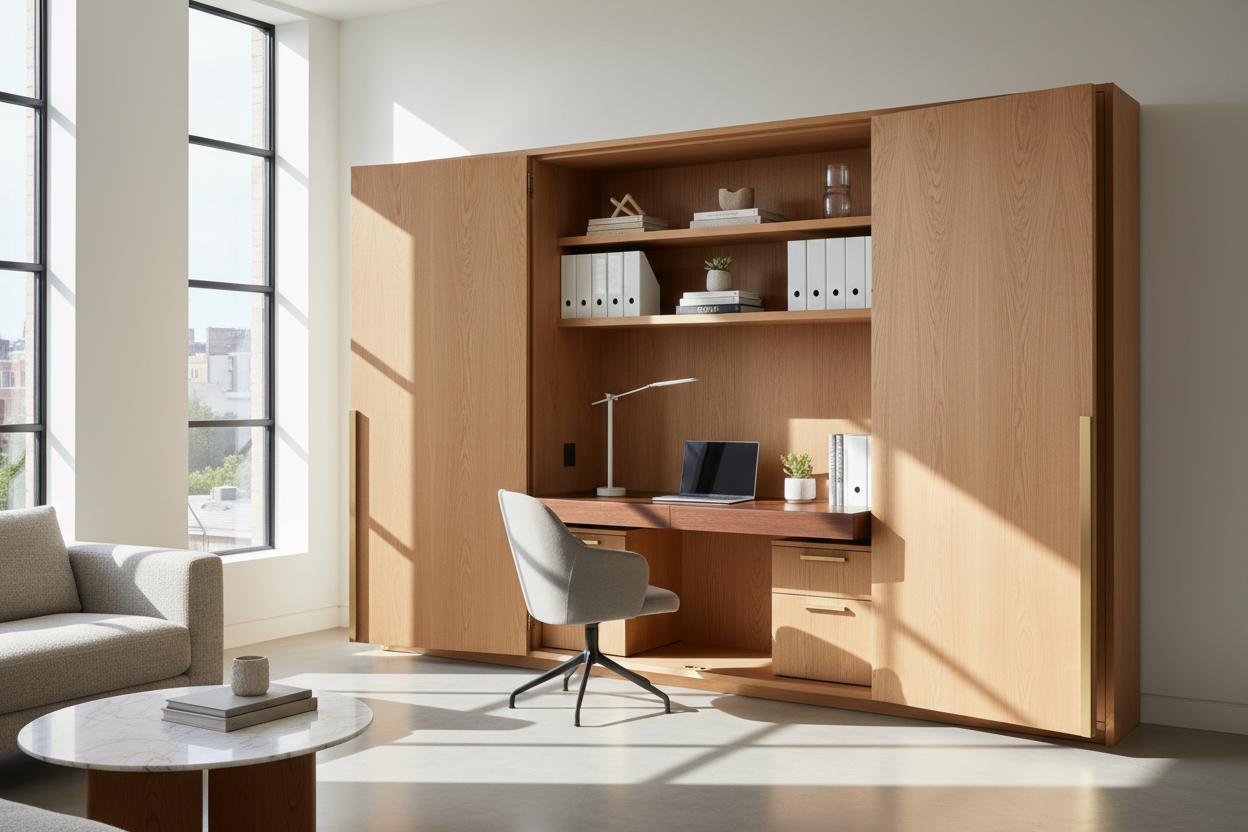
To work effectively from home in limited square footage, utilize vertical space. Install wall-mounted floating desks or shelving units with a drop-down surface. Use a ghost chair (acrylic) to reduce visual clutter, keeping the room feeling open while providing functionality.
What is the best color for a home office?
Color psychology plays a huge role in how to successfully work from home. Blues and greens are known to improve focus and efficiency, while softer neutrals reduce visual fatigue. Avoid overly bright reds or yellows, which can induce anxiety over long periods.
How do I separate work life from home life in the same room?
One of the vital working home tips success depends on is physical separation. Use a folding screen, a double-sided bookcase, or even a specific area rug to delineate the "office" zone. When you step off the rug, you are essentially "leaving work."

Leave a comment
This site is protected by hCaptcha and the hCaptcha Privacy Policy and Terms of Service apply.