


















The shift in residential architecture has been profound. We are no longer just designing rooms for sleep or dining; we are curating professional environments within the domestic sphere. As a designer, I see clients scrambling to adapt their interiors to meet the demands of companies with at home jobs. The dilemma is often the same: how do you maintain a cohesive, stylish home aesthetic while accommodating the rigorous functional needs of a corporate role? It is not merely about placing a desk in a corner; it is about crafting a zone that fosters productivity and signals professionalism.
Quick Decision Guide: The WFH Design Essentials
- Ergonomics Over Aesthetics: Prioritize chairs with lumbar support and 5-point bases over trendy accent chairs.
- Acoustic Control: Incorporate soft furnishings (rugs, curtains) to dampen echo during calls with a wfh company.
- Lighting Layers: Combine ambient overhead lighting with task lighting and face-level fill lights for video clarity.
- Background Curation: ensure the view behind you is uncluttered and styled, acting as a passive resume for companies hiring work from home positions.
Structuring Your Layout for Professional Success
When you secure a role with a company work from home, the first step isn't buying furniture—it is space planning. In interior design, we look for the "power position." Ideally, your desk should face the door (command position) but never have a window directly behind you, which creates backlighting issues on camera. For those in smaller urban apartments, creating a distinct zone is vital. Use open shelving or a console table as a physical divider to separate "living" from "working."
Selecting Furniture: The Commercial vs. Residential Debate
Many companies that offer work from home opportunities provide stipends, and for good reason. Residential furniture is rarely rated for 8+ hours of daily use. When sourcing for a client joining a major IT company work from home, I always steer them toward commercial-grade pieces disguised with residential finishes.
The Desk Strategy
Look for deep surfaces (minimum 30 inches) if you are running dual monitors. A company offering work from home jobs often requires significant hardware. A shallow writing desk will leave you cramped and visually cluttered. Walnut or oak veneers offer warmth, while matte laminates prevent distracting glare under task lighting.
The Seating Silhouette
The biggest mistake I see is prioritizing velvet tub chairs for their look. If you are working for a work from home company hiring for full-time roles, you need a high-performance task chair. Look for breathable mesh backs or high-quality leather that regulates temperature. The silhouette should be streamlined, not bulky, to keep the room feeling open.
Visual Balance and The "Video Call" Background
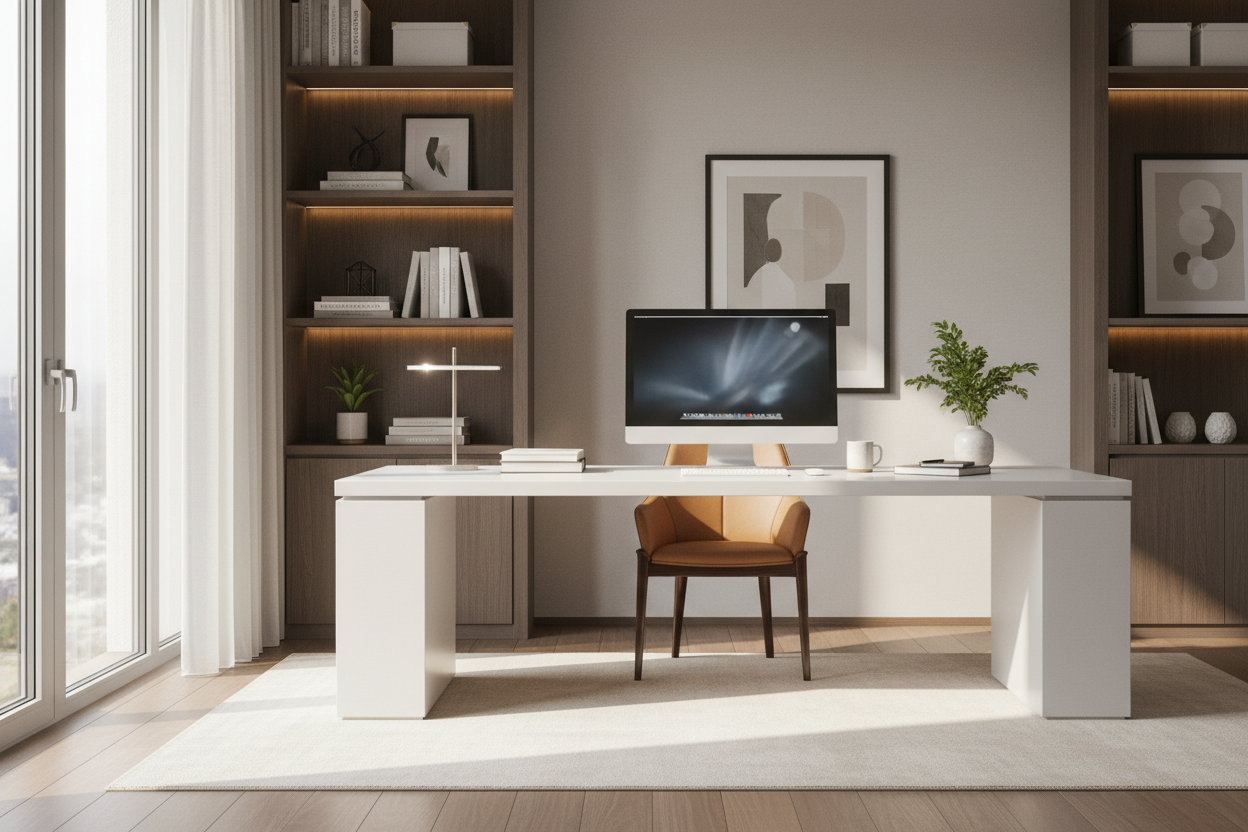
For companies who offer work from home, your background is part of your personal brand. Avoid the sterile white wall. Instead, curate a bookshelf with a mix of organic textures—think ceramic vases, trailing pothos plants, and hardcover books. This adds depth and warmth without distraction. If you are targeting work from home good companies, show them you are organized and detail-oriented through your environment.
My Personal Take on companies with at home jobs
I learned a hard lesson early in my career while designing a study for a client employed by a high-profile tech firm. We selected a stunning, sculptural vintage Italian chair. It looked incredible in the portfolio photos. However, three weeks later, the client called me. The lack of adjustable armrests meant his shoulders were shrugging constantly during typing, leading to tension headaches. Furthermore, the beautiful polished concrete floor we exposed caused a reverb that made his audio unlistenable during meetings.
It taught me that when designing for companies that offer work from home positions, "quiet luxury" must be literal. We ended up bringing in a high-pile wool rug and swapping the chair for a matte-black ergonomic model that faded into the background. Functionality must be the foundation; style is the finish.
Conclusion
Whether you are currently employed by a company who provide work from home or looking for work from home companies jobs, your environment dictates your output. By investing in quality materials, proper lighting, and ergonomic support, you elevate not just your room, but your career trajectory. Treat your home office with the same design integrity as your living room, and the return on investment will be immediate.
Frequently Asked Questions
Do I need a dedicated room to work for a remote company?
Not necessarily. While companies hiring work from home jobs prefer a private space, a well-zoned corner in a quiet room with noise-canceling headphones and a physical divider often suffices for privacy and focus.
What is the best desk depth for a multi-monitor setup?
If you are working for an at home job company that requires multiple screens, aim for a desk depth of 30 inches (76 cm). Standard 24-inch desks place monitors too close to the eyes, causing strain.
Should I buy a standing desk?
Yes. Many work from home companies that are hiring encourage movement. A sit-stand desk breaks the sedentary nature of the day. Look for dual-motor legs for stability so your coffee doesn't wobble during transitions.


Leave a comment
This site is protected by hCaptcha and the hCaptcha Privacy Policy and Terms of Service apply.