

















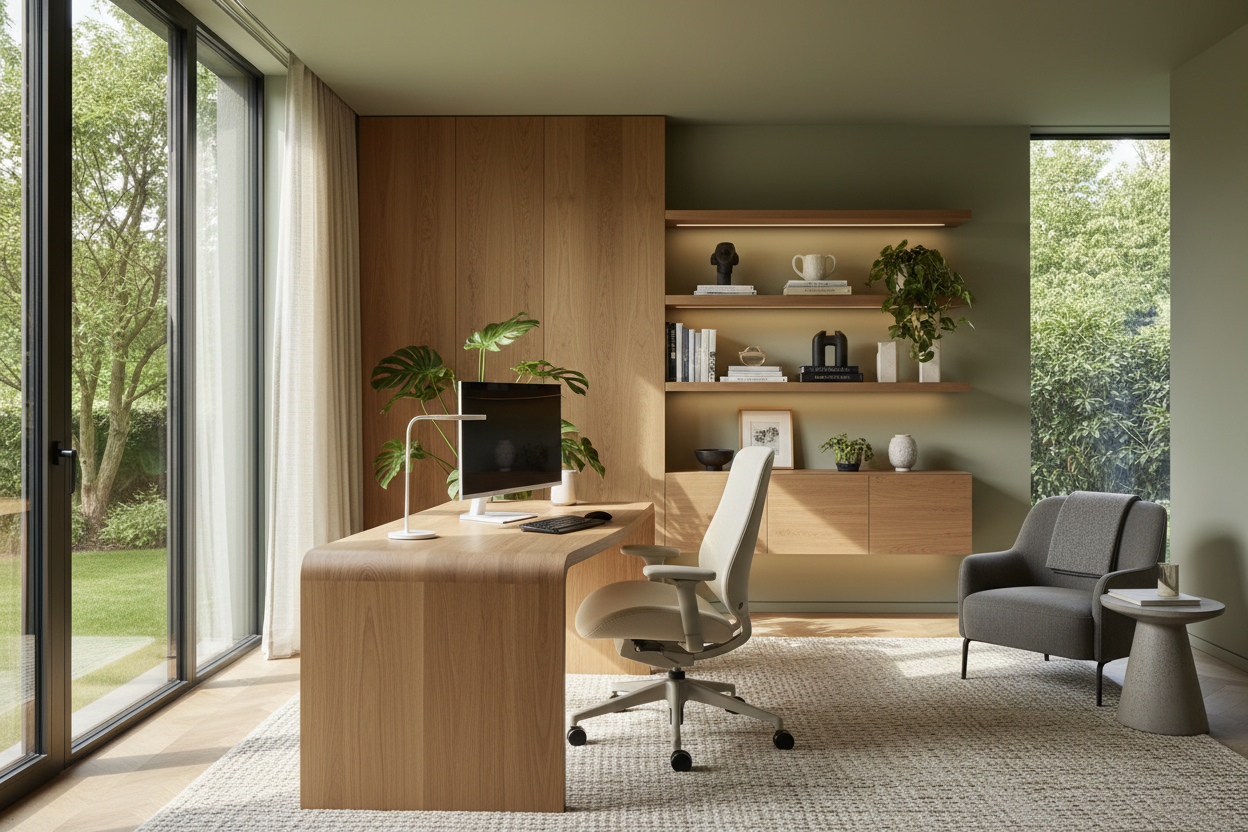
For years, the boundaries between professional life and personal sanctuary were distinct. Today, that line has blurred, presenting a unique design challenge: how do we integrate functional, high-performance workspaces without disrupting the curated aesthetic of our living environments? As an interior designer, I see many clients struggle to balance the utility of a corporate office with the warmth of a residence. Successfully working with home interiors requires a shift in perspective—treating your desk and chair not just as tools, but as architectural elements that contribute to the room's visual narrative.
Quick Decision Guide: Essentials for the Home Office
If you are rushing to furnish your space, prioritize these four elements to ensure longevity and comfort. These are the non-negotiables I insist on for every client.
- Surface Depth: Ensure your desk depth is at least 24–30 inches to accommodate monitors while maintaining focal distance.
- Material Durability: Opt for high-pressure laminates or sealed hardwoods if you drink coffee at your desk; avoid untreated veneers that ring easily.
- Ergonomic Rating: Look for seating with adjustable lumbar support and a synchro-tilt mechanism, regardless of the aesthetic style.
- Lighting Temperature: Aim for 3500K to 4000K LED lighting for task areas to reduce eye strain without creating a sterile, hospital-like feel.
Zoning and Layout Strategy
The most common error I witness is placing a desk directly against a wall in a dark corner. When you are at work from home, your orientation dictates your energy levels. I always recommend the "command position"—facing the door or into the room, rather than staring at a blank wall. This not only reduces claustrophobia but creates a more authoritative silhouette within the space.
Defining the Perimeter
If you lack a dedicated room, use area rugs to define the zone. A high-pile wool rug can visually separate the office area from the living lounge, signaling to your brain that you are in a specific "mode." This visual cue is essential for mental separation when transitioning from working hours to relaxation.
Selecting Furniture: Form Meets Function
Anyone who has worked at home on a dining chair for eight hours knows the physical toll it takes. However, ergonomic furniture does not have to look industrial. We are seeing a surge in "resimercial" design—furniture that hides commercial-grade mechanics beneath residential textiles.
The Chair: Aesthetic vs. Ergonomics
Avoid the temptation of the trendy, unpadded bucket chair. Instead, look for mid-century modern inspired task chairs that utilize memory foam and breathable linens rather than standard black mesh. The goal is to maintain the color palette of your home while securing the support your spine requires.
Desk Materiality
When selecting a desk, consider the tactile experience. Solid wood, such as walnut or white oak, offers warmth and develops a patina over time. However, be wary of softwoods like pine, which will dent the moment you press down with a ballpoint pen. For a modern, sleek look that disappears into the room, tempered glass is an option, though it requires constant maintenance to remain smudge-free.
Lighting and Atmosphere
Creating a dedicated at work home atmosphere relies heavily on lighting. Overhead recessed cans are rarely enough. You need layered lighting: ambient light to soften the room and directional task lighting for your surface. A brass or matte black architectural lamp can serve as a sculptural focal point while providing necessary illumination.
My Personal Take on working with home
I want to share a specific lesson from my own home renovation that you won't find in a brochure. When I first designed my study, I fell in love with a gorgeous, rough-hewn reclaimed wood table. It added incredible texture and rustic charm to the room. However, after two weeks of use, I realized it was a functional disaster.
Every time I tried to write on a single sheet of paper, the pen would punch through the paper because of the wood's uneven grain. Furthermore, the "natural" crevices became magnets for dust and crumb buildup that was impossible to clean without a vacuum. I eventually had to commission a custom glass top to make it usable, which compromised the matte look I originally wanted. Now, when transitioning from working to home relaxation modes, I always advise clients: test the surface with a pen and paper before buying, no matter how beautiful the finish looks in the showroom.
Conclusion
Your home office should be a reflection of your personal style, not a sterile cubicle transplanted into your sanctuary. by investing in quality materials, respecting ergonomics, and planning your layout with intention, you can create a space that inspires productivity and complements your home's design language.
Frequently Asked Questions
How do I fit a workspace into a small bedroom?
Focus on verticality. Use a wall-mounted ladder desk or a floating shelf system. This keeps the floor area clear, maintaining the visual flow of the room and preventing the space from feeling cramped.
Is a standing desk worth the investment for home use?
Absolutely, but ensure you choose one with a dual-motor system for stability. Many budget options wobble at full height, which disrupts concentration. Look for legs that match your room's hardware finish to blend it in.
How do I hide computer cords in an open floor plan?
Cord management is vital for visual peace. Use cable sleeves that match your wall color, or invest in a desk with an integrated modesty panel and cable tray. Velcro ties are superior to zip ties, allowing for easier adjustments later.


Leave a comment
This site is protected by hCaptcha and the hCaptcha Privacy Policy and Terms of Service apply.