





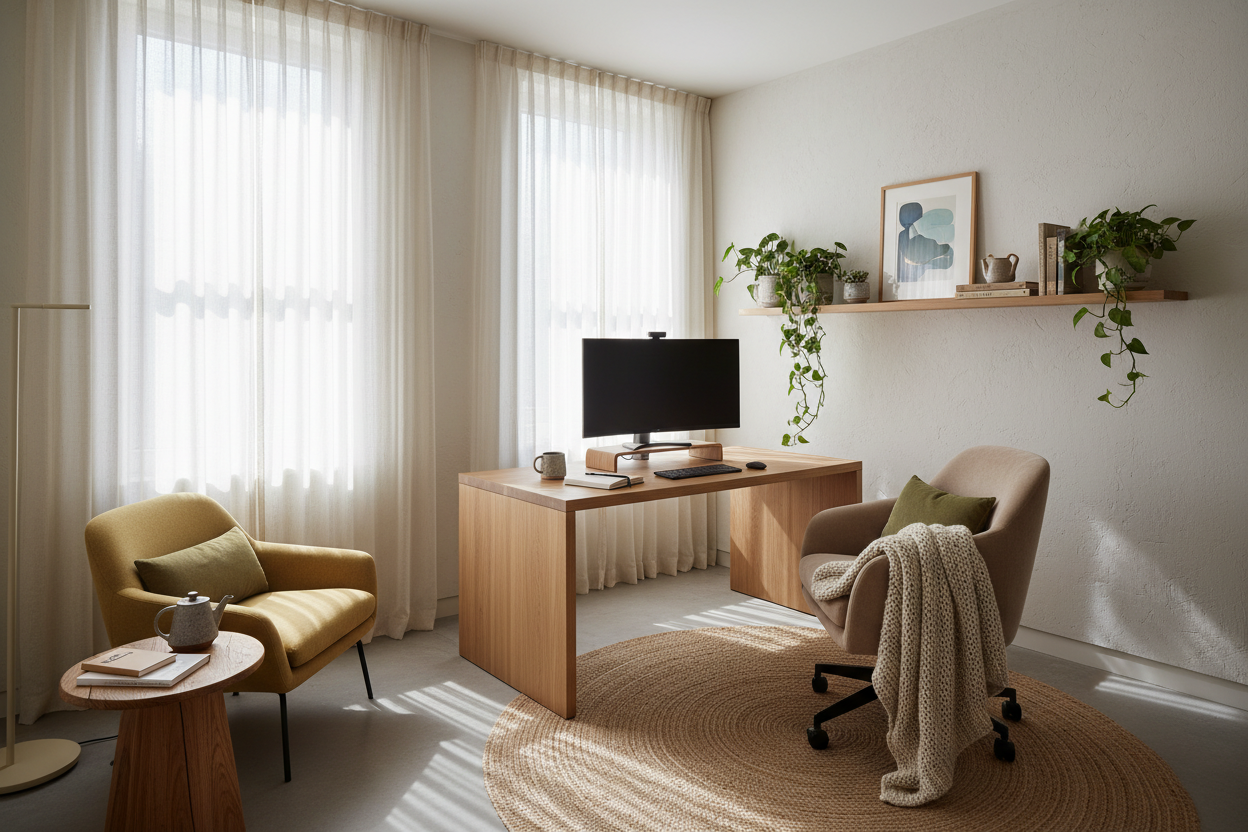
We often treat home offices as purely utilitarian zones, resulting in sterile environments that drain creativity rather than fuel it. The challenge isn't just buying a desk; it's balancing high-performance ergonomics with residential softness. If your workspace feels cold or uninviting, you are likely missing the layers of texture and lighting that bridge the gap between corporate function and home comfort. This guide explores how to curate a cozy office space that invites deep work while remaining visually restorative.
Quick Decision Guide: Key Features for Warmth
- Lighting Temperature: Aim for 2700K to 3000K bulbs; avoid the clinical blue hue of 4000K+ unless specifically for task lamps.
- Materiality: Prioritize natural grains (walnut, oak) and tactile fabrics (bouclé, velvet, wool) over glass and chrome.
- Acoustics: Use plush area rugs and heavy drapery to dampen echoes, essential for a cozy small office.
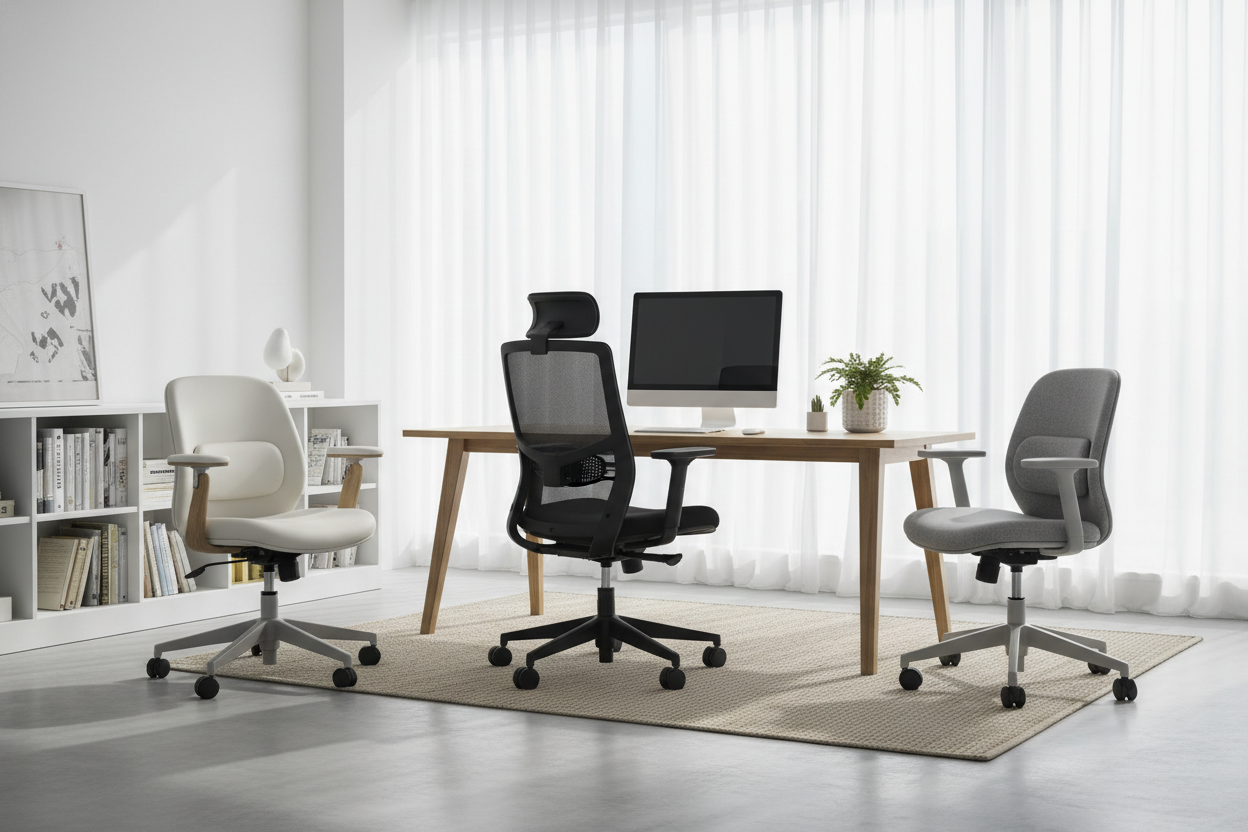
- Ergonomics: Look for chairs that hide their mechanisms under upholstery to maintain a residential aesthetic.
Establishing the Foundation: Materiality and Texture
The quickest way to kill the vibe of a room is to overload it with synthetic materials. When I consult on residential workspaces, I always start with the desk surface. Solid wood or high-quality wood veneer offers a tactile warmth that laminate simply cannot replicate. Walnut or white oak introduces organic lines that soften the rigidity of monitors and keyboards.
For seating, move away from the aggressive, skeleton-like mesh chairs if your goal is coziness. Instead, look for ergonomic chairs wrapped in fabric or leather. A cognac leather chair not only ages beautifully, developing a unique patina over time, but also adds a layer of visual weight that anchors the room.
Space Planning and Layout Strategies
When implementing small cozy office ideas, the layout must prioritize flow over furniture size. A common error is shoving a desk against a blank wall, forcing you to stare at paint all day. If square footage allows, float the desk in the center of the room or position it perpendicular to a window. This commands the space and allows for a 'soft seating' corner—perhaps a reading chair or a floor pouf—behind you.
Mastering the Cozy Small Office
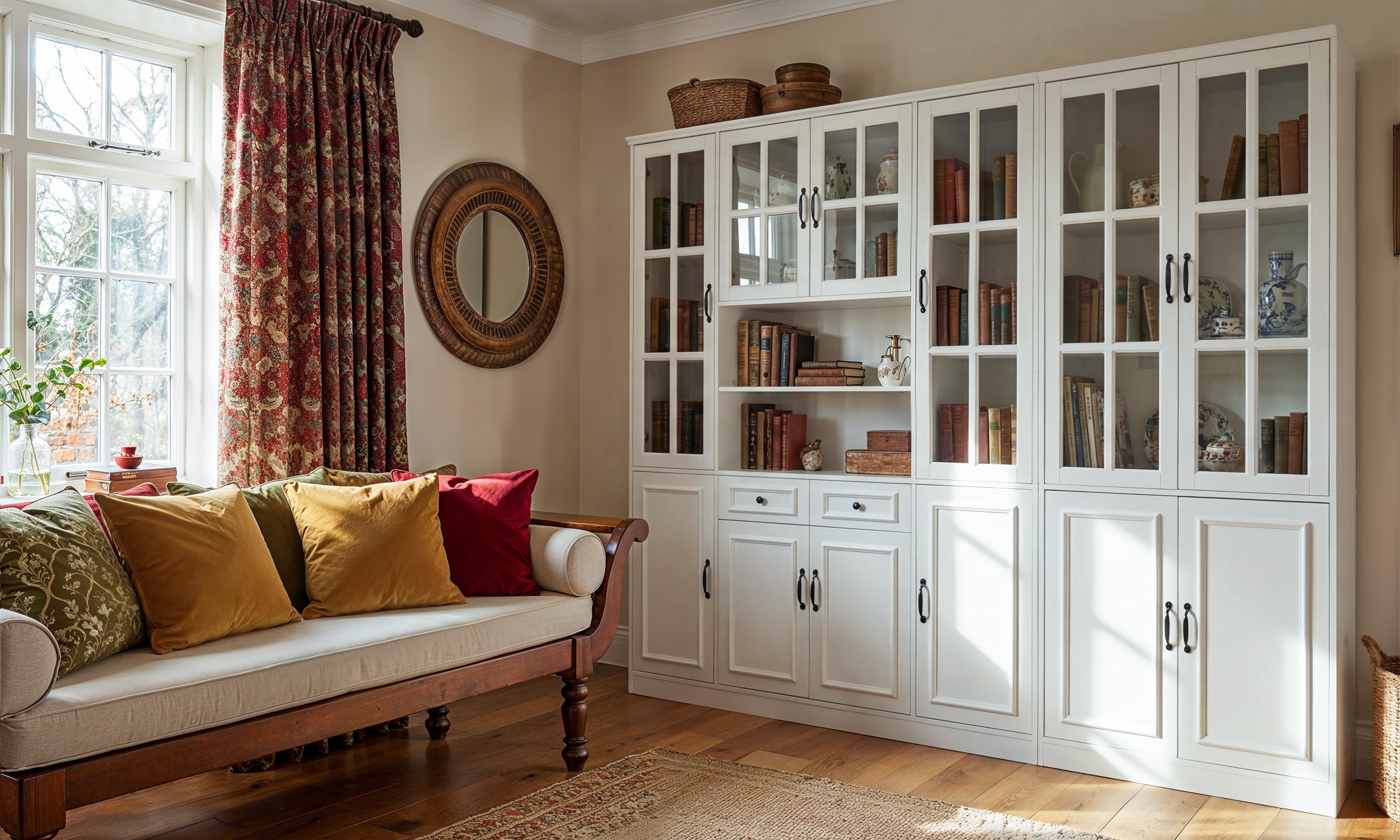
In tighter footprints, verticality is your ally. Rather than bulky filing cabinets that eat up floor space, utilize floating shelves in natural wood tones. This draws the eye upward, making the room feel larger while keeping clutter off the desk. A vintage or high-pile Moroccan rug is non-negotiable here; it defines the 'work zone' visually and adds literal warmth underfoot, which is crucial if you tend to work without shoes.
Lighting: The Mood Maker
You cannot achieve a cozy atmosphere with a single overhead ceiling light. You need three layers of light:
- Ambient: Soft, general illumination (a dimmable pendant or floor lamp).
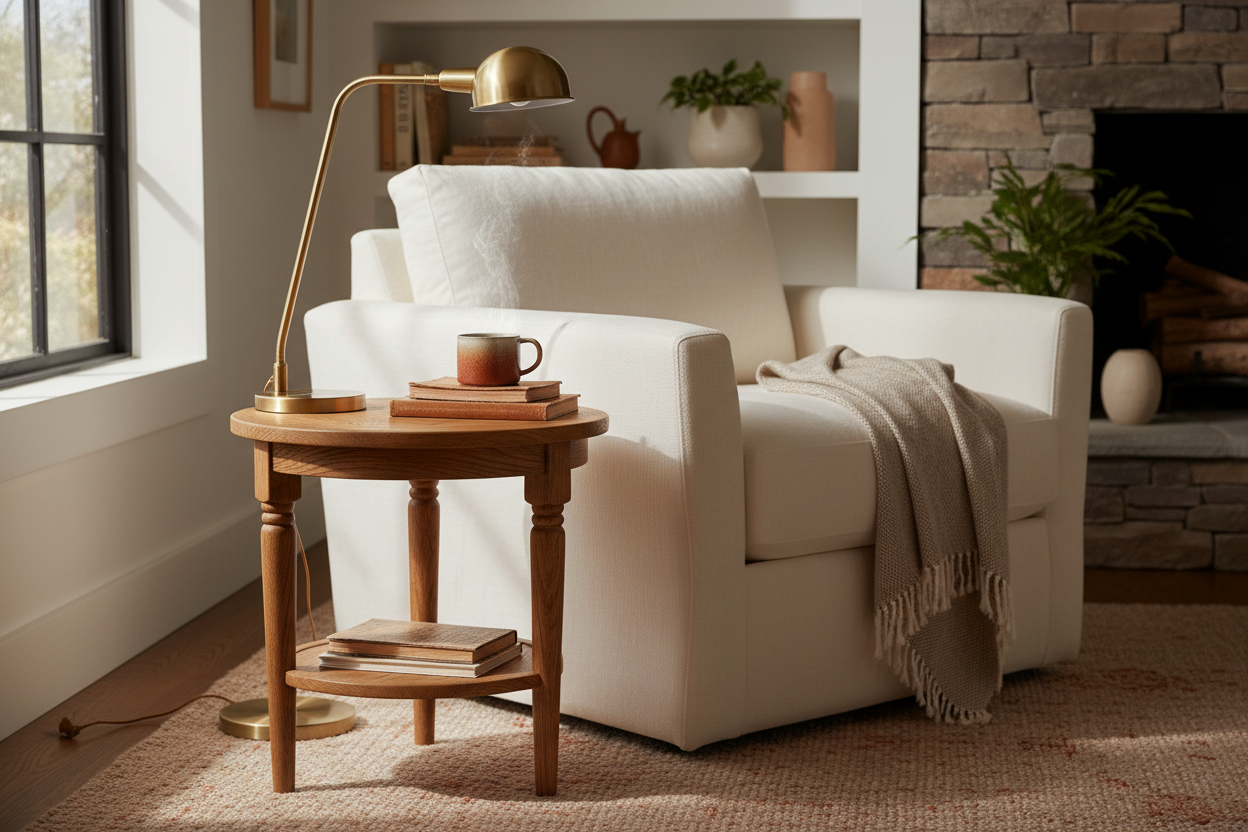
- Task: Focused light for reading documents (a brass or matte black desk lamp).
- Accent: Decorative light (picture lights over art or LED strips behind shelves).
By keeping the light sources lower to the ground (table and floor level), you create a sense of intimacy and enclosure that is vital for focus.
My Personal Take on Cozy Office Space
I learned a hard lesson about 'cozy' aesthetics versus practicality during a project I call the 'Library Nook.' I insisted on a gorgeous, deep-pile wool rug directly under a rolling office chair because it looked incredible in the mood board. It was a mistake.
Within three months, the casters had chewed through the fibers, and the client couldn't roll smoothly, which ruined the ergonomics of the setup. I had to go back and replace it with a vintage low-pile Heriz rug. It still offered that rich, historical warmth and red/rust color palette, but the tight weave allowed the chair to glide. Also, a specific detail I've noticed: avoid matte black laminate surfaces if you want a cozy feel. They show oily fingerprints relentlessly, making the space feel messy. A natural wood grain hides dust and prints, keeping the space feeling serene even when it's lived-in.
Conclusion
Creating a workspace that feels like a refuge requires looking beyond the office supply catalog. By layering rich textures, controlling your lighting temperature, and respecting the flow of the room, you can build a space that supports your career without sacrificing the comfort of home. Start with a rug and a warm lamp—the rest will follow.
Frequently Asked Questions
How do I make a small office feel cozy but not cluttered?
The key is closed storage. Use credenzas or baskets to hide papers and tech accessories. Visual noise creates stress, so keep surfaces clear and rely on textures (rugs, curtains) rather than knick-knacks to add warmth.
What is the best wall color for a cozy office?
Deep, moody hues like charcoal, navy, or forest green are excellent for focus as they absorb light and reduce glare. If you prefer light colors, opt for warm whites or greige (grey-beige) rather than stark, clinical white.
Can an ergonomic chair actually look cozy?
Absolutely. Look for 'mid-century modern' style office chairs or brands that specialize in residential-grade office furniture. They often feature fabric upholstery, wooden legs, or hidden height-adjustment levers to blend in with home decor.

Leave a comment
This site is protected by hCaptcha and the hCaptcha Privacy Policy and Terms of Service apply.