




We have all been there: hunched over a dining table, battling back pain and distractions, wondering why our productivity is plummeting. As an interior designer, I often see clients treating their home office as an afterthought, throwing a laptop onto a spare surface and hoping for the best. But asking how can i work from home effectively is really a question of spatial psychology and ergonomic design. To truly succeed, you must curate an environment that signals to your brain that it is time to focus, distinct from where you relax and recharge.
Quick Decision Guide: The Essentials
If you are rushing to set up a workspace, prioritize these four design pillars to ensure functionality and comfort.
- Ergonomics First: Invest in a chair with lumbar support and a seat pan depth that allows 2-3 inches behind your knees. Aesthetics should never trump spinal health.
- Lighting Layers: Combine ambient overhead lighting with a dedicated task lamp (ideally 4000K cool white) to reduce eye strain.
- Surface Area: Ensure your desk is at least 24 inches deep to maintain proper monitor distance and prevent visual fatigue.
- Acoustic Control: Use soft furnishings like rugs or upholstered panels to dampen echo and absorb household noise.
Zoning: Defining Boundaries in Open Plans
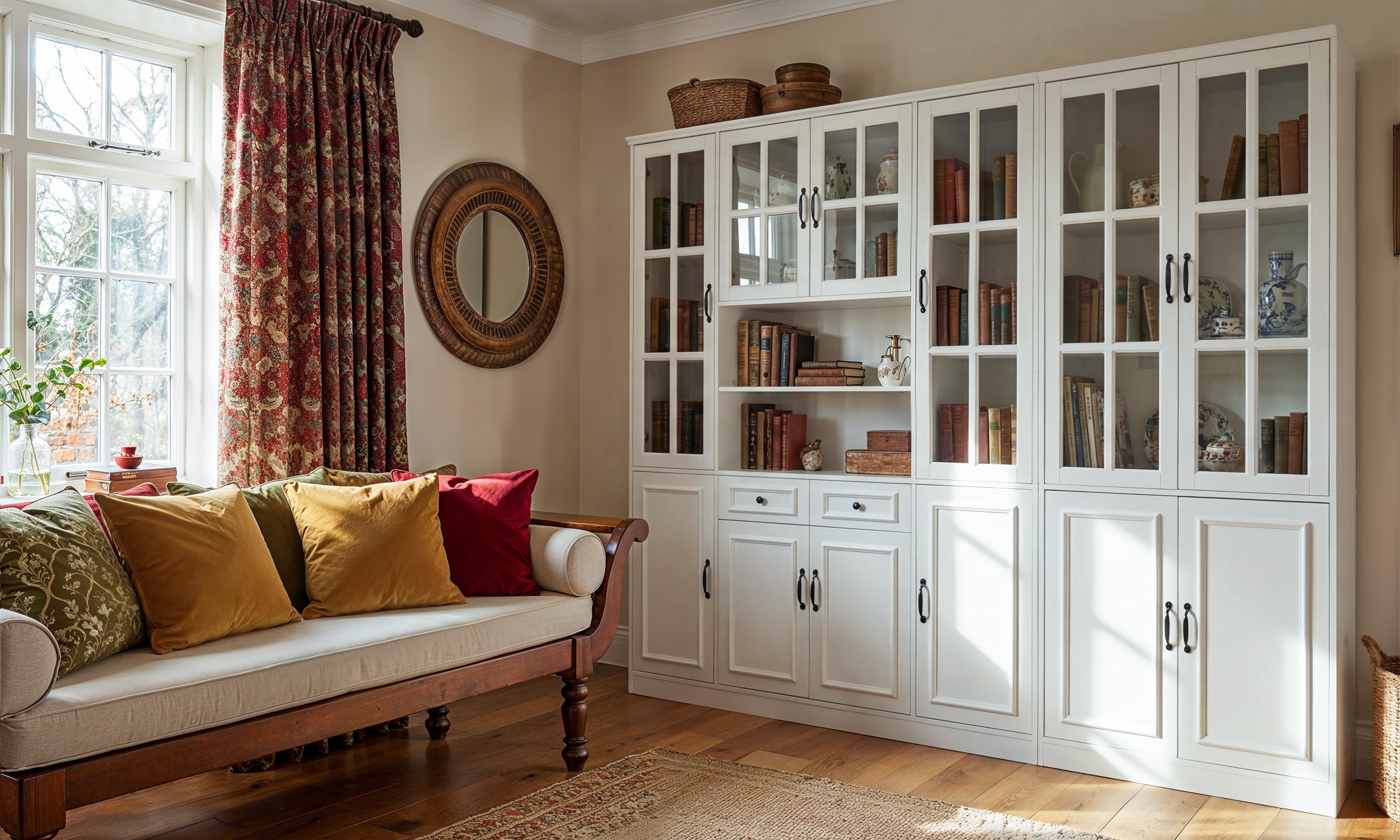
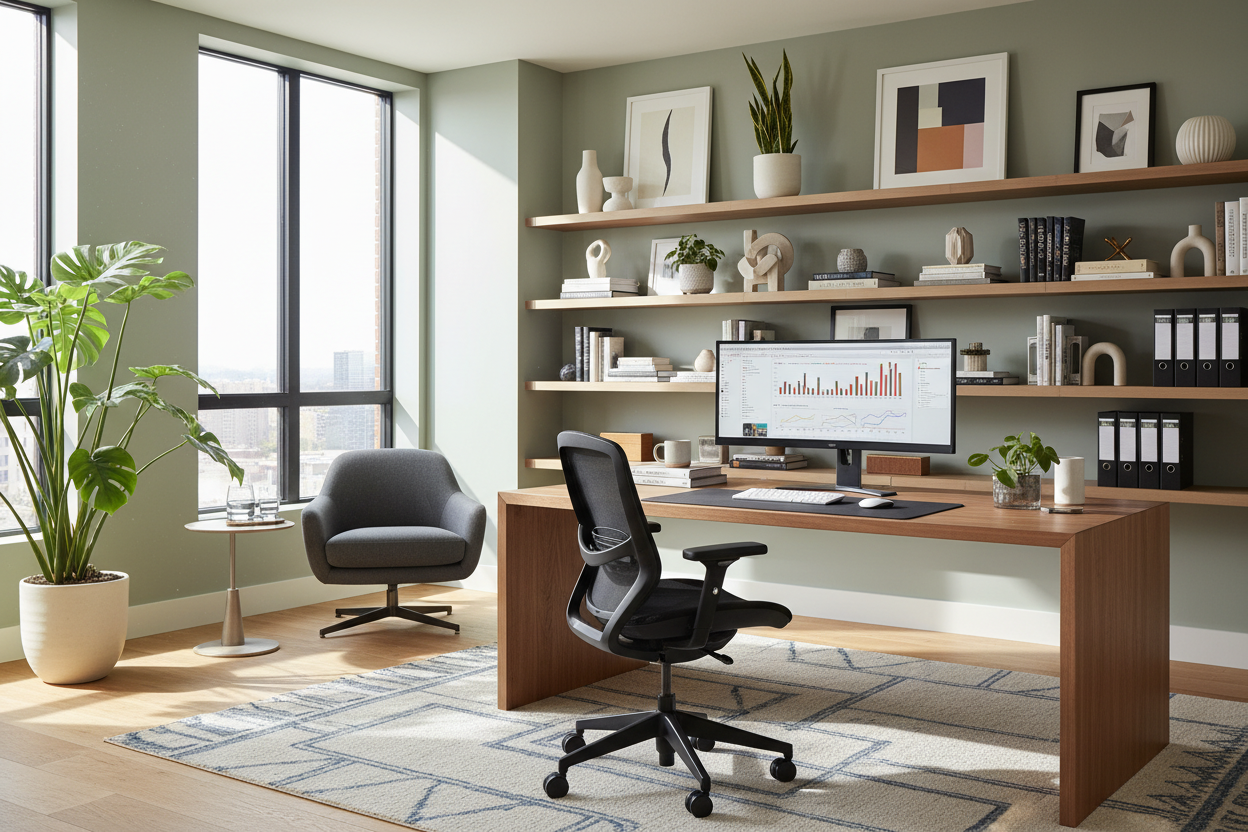
One of the biggest challenges regarding how to work in home environments is the lack of physical separation. If you do not have a dedicated room, you must create a psychological boundary. This is about zoning. Position your desk so your back is to the living area, or use an open bookshelf as a semi-transparent room divider. This visual cue helps you switch modes.
The best way to work from home is to orient your desk perpendicular to a window. Facing the window directly causes glare; having it behind you causes reflection on your screen. Perpendicular placement offers the perfect balance of natural light and view without the optical strain.
Selecting Materials: Durability Meets Style
When clients ask how to actually work from home for the long haul, I direct them toward material integrity. Avoid cheap particle board desks with paper veneers; they warp under the heat of electronics and wobble with typing vibrations.
Solid Wood vs. High-Pressure Laminate
For a luxury touch, solid walnut or oak offers tactile warmth and longevity. However, if you are hard on surfaces (coffee spills, heavy sketching), a high-pressure laminate (HPL) or Fenix surface provides a matte, anti-fingerprint finish that is incredibly durable. The texture of your workspace matters—it grounds you.
The Lighting Plan: Kelvin and Lumens
Poor lighting is the silent killer of productivity. How can you work from home if you are fighting headaches by 2 PM? Avoid relying solely on recessed can lights, which cast shadows on your work surface. Layer your lighting. Use a desk lamp with an adjustable arm for task lighting. Aim for a color temperature of 3500K to 4000K; this mimics daylight and keeps serotonin levels up, unlike warm 2700K bulbs which signal relaxation.
My Personal Take on how can i work from home
I learned a hard lesson about aesthetics versus function in my very first home studio. I bought a stunning, vintage mid-century modern chair—teak frame, original boucle fabric. It looked incredible in photos. But after one week, I realized how work from home setups differ from showroom displays.
The vintage chair had zero tilt mechanism and a fixed height. My wrists were angled upward to reach the keyboard, leading to immediate strain, and the "breathable" fabric actually became itchy after sitting for four hours. I had to swap it for a high-end ergonomic mesh chair. It wasn't as pretty, so I threw a sheepskin throw over the back to soften the industrial look. The lesson? Your body creates the work, not the furniture style. Prioritize the mechanism of the chair, then style around it.
Conclusion
Mastering your workflow isn't just about discipline; it is about design. By selecting the right materials, dialing in your lighting, and respecting ergonomics, you transform a corner of your house into a powerhouse of efficiency. Don't just work from home; design a space that works for you.
Frequently Asked Questions
How can I work from home in a small bedroom?
Utilize vertical space. Install wall-mounted shelving or a floating desk to keep floor space clear. A "cloffice" (closet-office) is also a brilliant solution where you can close the doors on your work at the end of the day.
Is a standing desk necessary?
It is not mandatory, but highly recommended for circulation. If a motorized desk is out of budget, consider a desktop converter. The ability to shift posture is key to maintaining energy levels throughout the day.
What is the best background for video calls?
Keep it simple but textured. A plain white wall can look sterile. A bookshelf with curated items, artwork, or a wall with wainscoting adds depth and professionalism without being distracting.

Leave a comment
This site is protected by hCaptcha and the hCaptcha Privacy Policy and Terms of Service apply.