









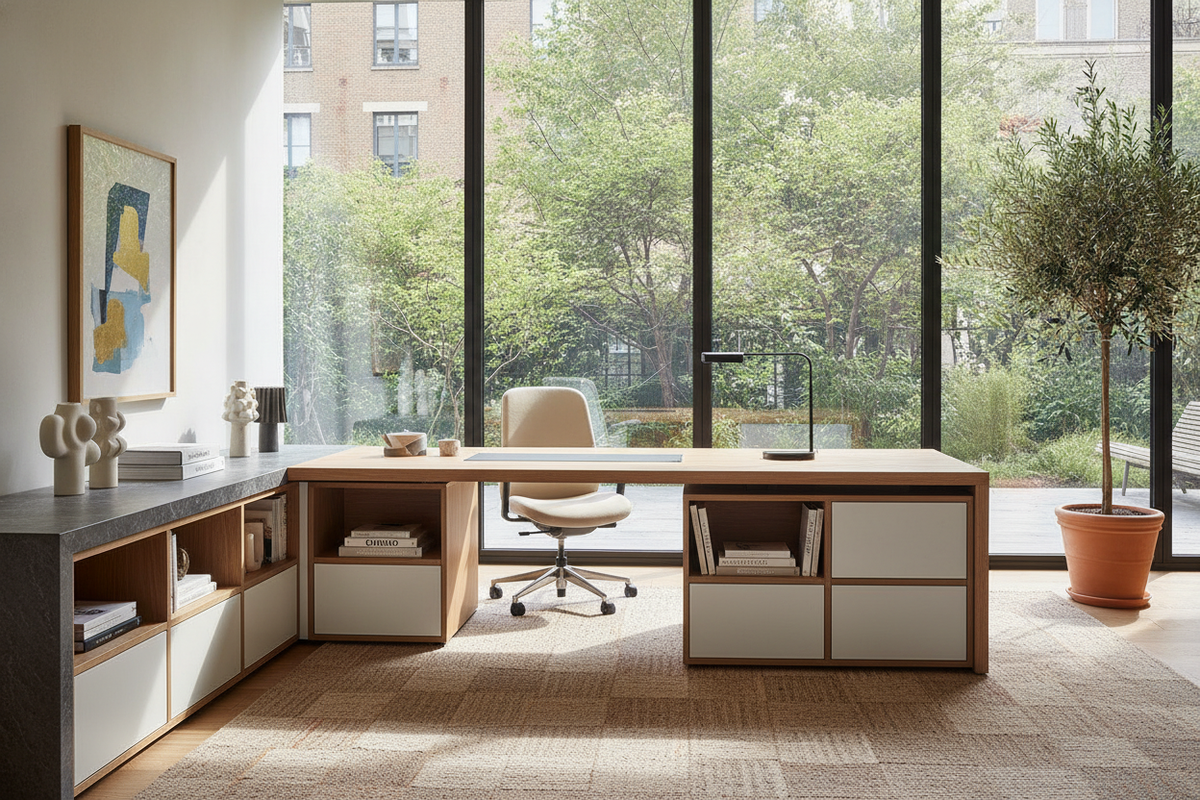
Architectural Foundations of the Deck Desk Concept
Modern workspace design increasingly balances expansive surface utility with structural lightness. The traditional executive desk often projects a dense, monolithic footprint, whereas a deck desk establishes visual poise through tiered horizontal planes, cantilevered bridges, and low-profile foundation units. By resting a primary desktop across a supporting side cabinet or credenza platform, this configuration creates a stepped, multi-level work zone that feels rooted yet floating.
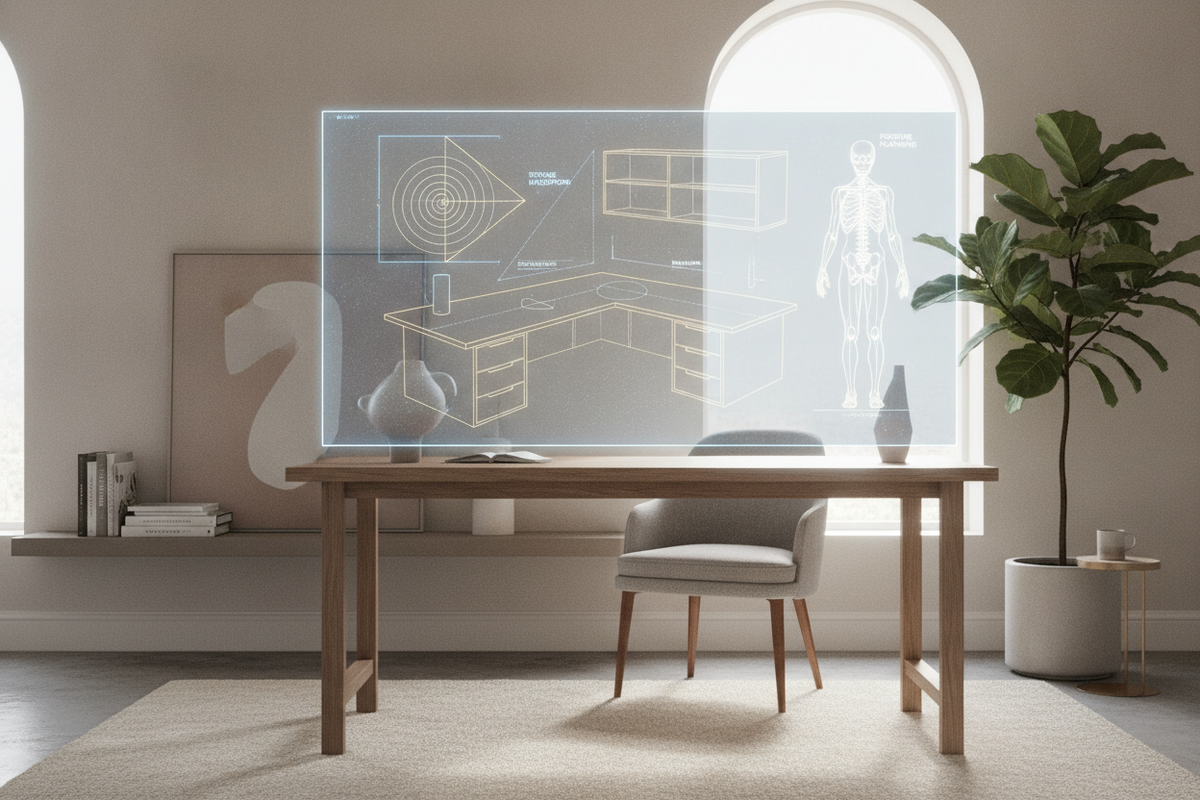
A deck desk separates primary computing and drafting tasks from auxiliary gear, paper management, and peripheral storage. The overarching horizontal span serves as an unencumbered creative platform, while the lower deck acts as an anchoring base. When aligning your workspace with ergonomic desk surface proportions, this structural hierarchy ensures that active monitors, task lighting, and keyboard zones remain unobstructed by secondary office accessories.
Dimensional Tiers and Footprint Planning Categories
Integrating a broad desk system into a home study or open executive office demands deliberate spatial planning. Because the layout typically incorporates both an elevated primary surface and an offset lower return, understanding circulation corridors prevents the room from feeling constricted. When creating a dedicated office space, categorizing your room footprint ensures balanced clearance:
- Compact Study Footprints: Modest rooms benefit from inline or low-overlap deck profiles where the credenza aligns closely beneath the primary worktop, maximizing usable floor space while maintaining a distinct tiered aesthetic.
- Balanced Executive Suites: Medium-sized offices can comfortably accommodate an offset L-configuration. In these layouts, the primary deck desk extends outward into the room, while the supporting return runs parallel along a perimeter wall.
- Expansive Open-Plan Zones: Large open rooms support island installations where the entire desk and credenza assembly floats centrally, establishing wide perimeter circulation paths around all sides of the furniture.
Regardless of room scale, maintaining adequate pushback room behind the task chair and unhindered access to credenza drawers ensures daily comfort and effortless movement.
Integrated Storage Architecture and Credenza Pairings
The defining structural advantage of a deck desk lies in its integrated credenza return. Rather than utilizing standard hanging drawers that crowd knee clearance, the deck desk transfers secondary storage into a dedicated foundation module. Evaluating storage components involves balancing concealed compartments with accessible open shelving:
- Deep Lateral Filing Bays: Positioned at the far end of the return credenza, deep utility drawers keep heavy documentation organized without impeding legroom beneath the main bridge.
- Open Architectural Display Cubbies: Lower shelf tiers beneath the bridge offer accessible docking for compact desktop hardware, reference volumes, or ambient decorative accents.
- Sliding-Door Foundation Modules: Sliding tambour or solid cabinet doors conceal charging stations and accessories without requiring extra swing clearance in tight walkways, mirroring the versatility found in classic L-shaped workstation return configurations.
- Concealed Wire Trays: Integrated chases along the rear edge of the credenza provide hidden raceways for routing surge protectors, power bricks, and peripheral cords directly to wall outlets.
Material Palettes, Structural Framing, and Finish Durability
A multi-tiered desk must balance weight distribution across disparate support points. Material selection directly influences structural rigidity, surface resilience, and room ambience:
- Engineered Composites and Laminates: High-density composite boards finished with high-pressure laminates offer exceptional resistance to daily scratches, heat, and moisture, making them practical choices for busy worktops.
- Warm Wood Veneers: Natural wood veneers introduce rich grain textures and executive elegance, softening the geometric profile of expansive desks while anchoring contemporary interiors.
- Matte Powder-Coated Steel Substructures: Steel bridge legs, cantilever brackets, and modesty framing deliver high structural stability with minimal visual bulk, maintaining the floating deck appearance.
- Acoustic and Modesty Screening: Textured fabric or fluted modesty panels beneath the main worktop help dampen office acoustics while cleanly concealing under-desk components.
Room Integration Strategies: From Executive Suites to Open-Plan Corners
Placement determines how effectively a deck desk functions as both a working hub and an architectural statement. Positioning strategies should complement your room layout, natural lighting, and daily privacy needs:
- The Commanding Central Anchor: Positioning the primary deck facing toward the entryway while placing the lower return credenza against a rear backdrop establishes an authoritative executive presence with clear room sightlines.
- Perimeter Wall Alignment: In multi-purpose rooms or shared home offices, setting the desk flush along architectural walls maximizes natural floor flow and simplifies direct cable routing to baseboard power points.
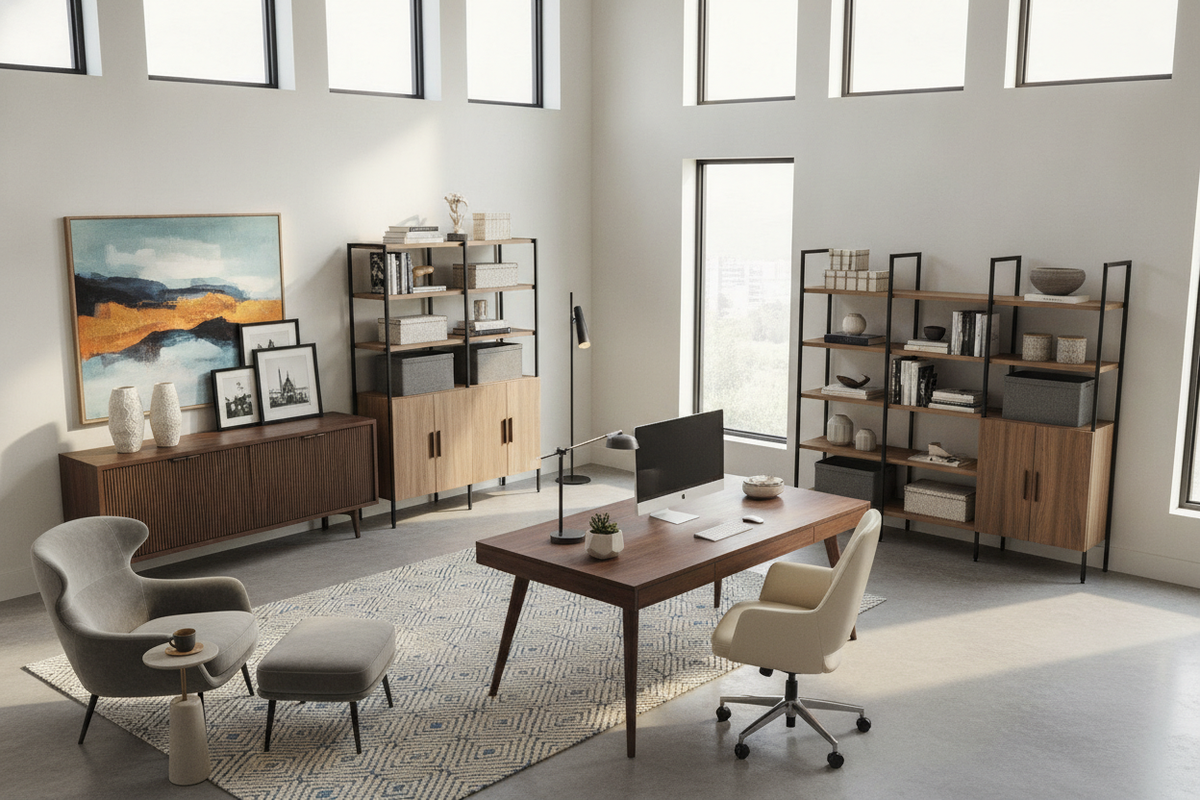
- Zoned Open-Plan Arrangements: In modern shared spaces, incorporating a deck desk alongside flexible modular workspace layouts creates clear boundaries between active work zones and casual meeting areas without requiring structural partitions.
Assembly, Cable Infrastructure, and Setup Considerations
Installing a multi-component desk system requires structured assembly to ensure seamless leveling and structural alignment. Because the primary worktop bridges across independent support legs and credenza modules, minor floor irregularities can cause uneven seams if left unaddressed.
Begin by assembling and leveling the foundation credenza using adjustable glides before attaching bridge brackets. Once the base storage sits level and stable, lower the primary deck worktop into position, fastening all joining hardware loosely before final tightening. Finally, route monitor cables, power cords, and accessory leads through integrated grommets down into the credenza wire management bays. This methodical approach ensures a pristine, uncluttered desk surface that emphasizes clean architectural lines and refined workspace productivity.

Leave a comment
This site is protected by hCaptcha and the hCaptcha Privacy Policy and Terms of Service apply.