

















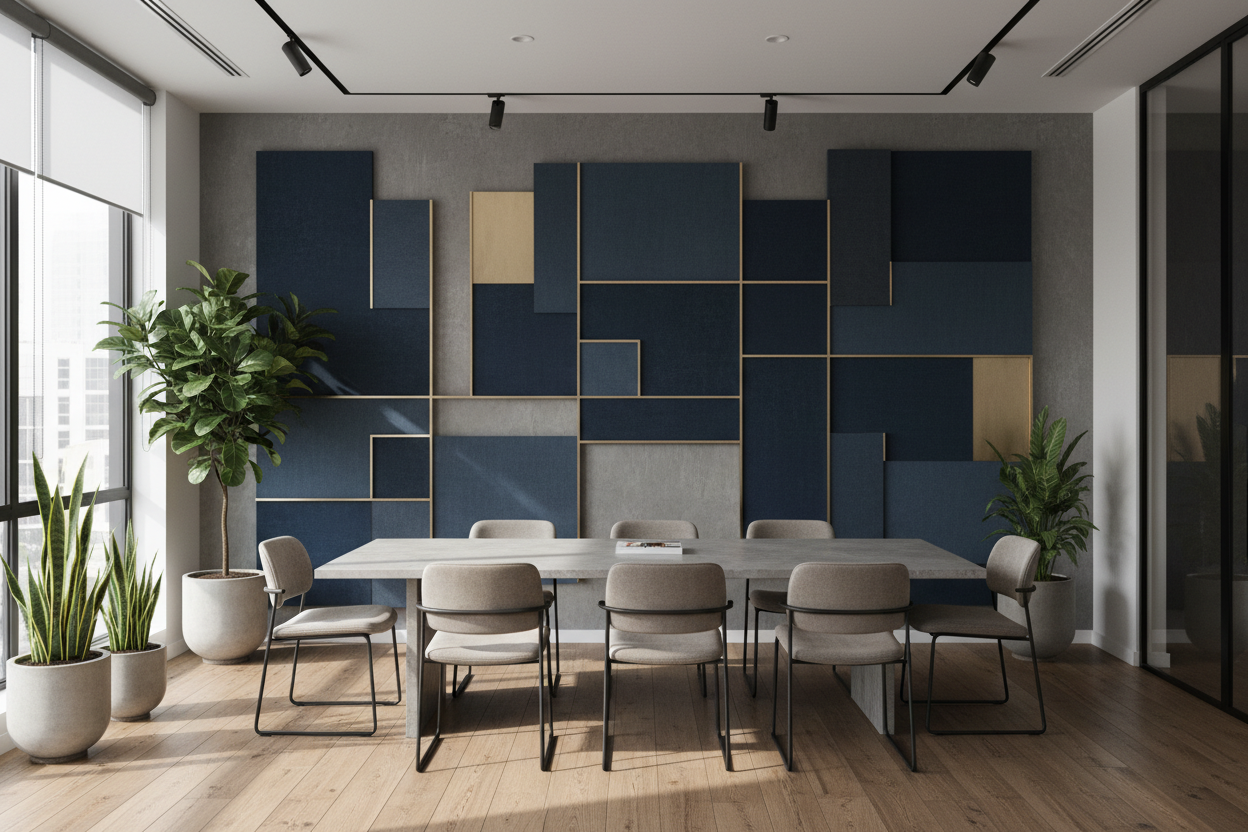
Walking into a workspace with stark, empty walls does more than just bore the eye; it subtly signals a lack of permanence and personality. As a designer, I’ve seen how a sterile environment can stifle creativity and alienate clients before they even shake your hand. The goal isn't just to fill space, but to curate wall art for business that reinforces your brand narrative and improves the acoustic quality of the room.
Key Features to Look For
- Acoustic Performance: Prioritize canvas, felt, or textured fiber art over glass-framed prints to reduce echo in open-plan offices.
- Scale and Proportion: Art should occupy 60% to 75% of the available wall space (minus furniture width) to avoid looking cluttery or insignificant.
- Brand Alignment: Select imagery that reflects company values (e.g., abstract structuralism for architecture firms, organic botanicals for wellness brands).
- Lighting Compatibility: Ensure the finish (matte vs. glossy) works with your overhead lighting to prevent blinding glare.
Defining Your Corporate Aesthetic
When selecting business office wall art, the most common pitfall is choosing "safe" generic art that borders on hotel lobby decor. Your office is a physical extension of your letterhead and website. Visual hierarchy is crucial here. In a reception area, you want a focal point that establishes authority immediately. In breakout areas, the visual language should shift to something more restorative and less demanding on the eye.
Materiality: Beyond the Canvas Print
While canvas is a staple, modern business office wall decor demands more texture. In high-traffic corridors, I often specify metal prints or acrylic facings because they are durable and wipeable—essential for longevity. However, for conference rooms, hard surfaces are the enemy of clear audio. Here, I recommend textile-based art or acoustically backed panels. These act as sound dampeners, reducing the "fishbowl" effect during conference calls while adding warmth to the room.
Space Planning and Layout Strategies
The placement of wall art for business office environments requires a different approach than residential design. In a home, eye level is standard. In an office, you must account for sightlines from both standing and seated positions.
The Conference Room Rule
In meeting spaces, art is often viewed while seated. If you hang art at the standard 57-inch center height, it may feel too high for someone sitting at the table. Lowering the center point slightly creates a more intimate, cohesive feeling during meetings.
Corridors and Flow
For long hallways, avoid a single small piece that gets swallowed by the negative space. Instead, utilize a diptych or triptych series. This creates a sense of rhythm and movement, guiding the visitor through the space naturally.
My Personal Take on Wall Art for Business
I learned a hard lesson about lighting and finishes during a project for a law firm in downtown Chicago. We installed a stunning series of high-gloss, glass-framed photography in their main boardroom. It looked incredible on paper and during the evening install.
However, the next morning, the client called in a panic. The room had floor-to-ceiling windows facing East, and the aggressive morning sun combined with the overhead fluorescent grid turned the artwork into giant mirrors. During their 9:00 AM partner meeting, the glare was blinding, and you couldn't actually see the art. We had to rush-order non-glare museum glass to fix it—a costly mistake. Now, I always perform a "lighting audit" before finalizing finishes. If you have uncontrolled natural light or harsh overheads, always opt for matte finishes or raw canvas. It saves you the headache of reflections ruining the aesthetic.
Conclusion
Invest in art that works as hard as you do. By balancing acoustic needs, proper scaling, and brand-appropriate visuals, you transform your office from a rented box into a headquarters that commands respect. Don't let your walls remain silent; let them speak to the quality of your work.
Frequently Asked Questions
How do I choose the right size art for a large office wall?
A good rule of thumb is the "two-thirds rule." The artwork should span roughly two-thirds to three-quarters of the width of the furniture it hangs above, such as a sofa or reception desk. If the wall is empty, the art should cover enough area to leave equal negative space on all sides.
Is abstract or representational art better for business?
Abstract art is generally safer and more versatile for business office wall art. It allows viewers to project their own thoughts and doesn't carry specific cultural or political baggage that representational art (like portraits or specific locations) might inadvertently convey.
Can I use wall art to help with office noise?
Absolutely. Look for "acoustic art." These are specially designed panels that look like high-end canvas prints but are filled with sound-absorbing foam. They are excellent for reducing reverb in glass-walled offices or open-plan bullpens.

Leave a comment
This site is protected by hCaptcha and the hCaptcha Privacy Policy and Terms of Service apply.