

















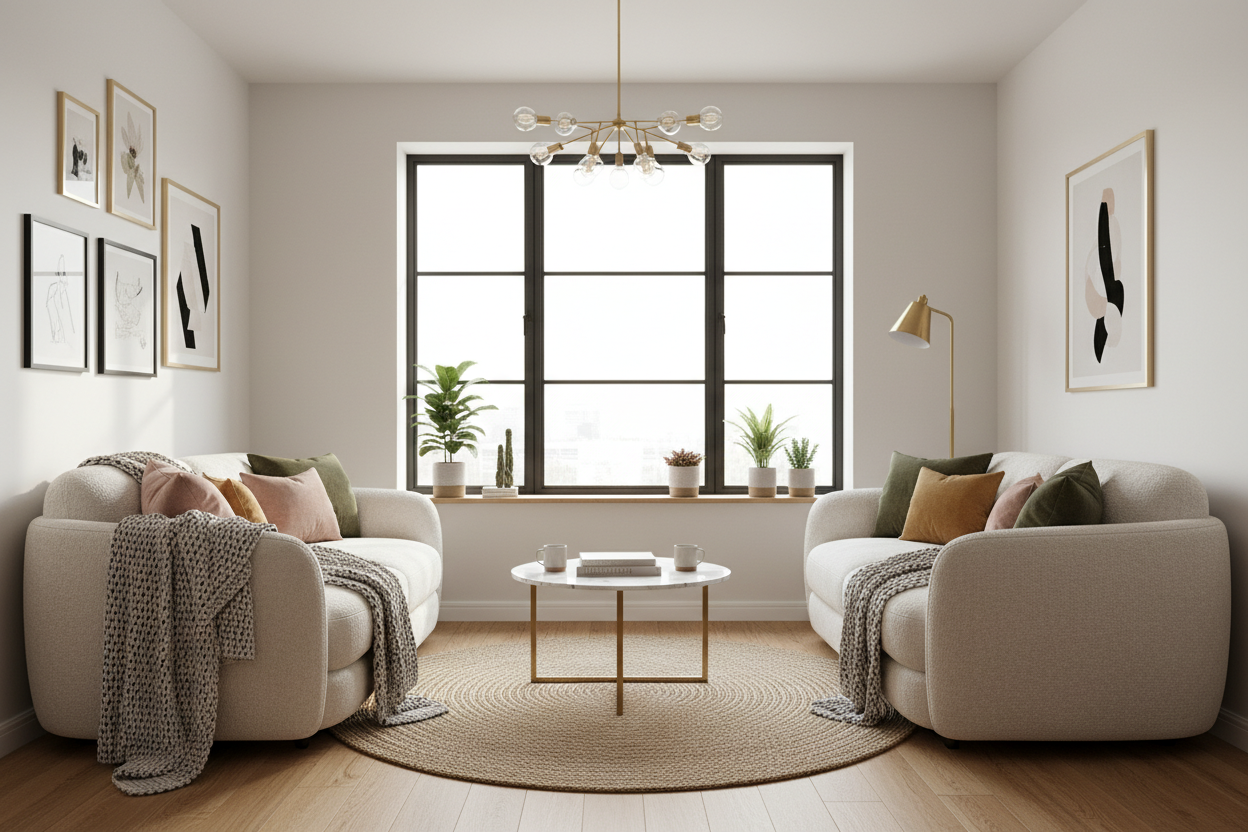
In the world of interior design, we often see clients obsessing over massive sectionals, assuming bigger is always better. However, this often leads to overcrowded rooms and disrupted traffic flow. The true art of a well-curated living room lies in finding the perfect balance between scale and intimacy—a concept I like to call sofa love. Whether you are hunting for a classic loveseat or a petite sofa designed for close conversation, selecting the right piece requires looking beyond the upholstery and understanding the architecture beneath the fabric.
Key Features to Look For
- Scale and Proportion: Ensure the piece occupies no more than two-thirds of the wall it sits against to maintain visual breathing room.
- Frame Construction: Look for kiln-dried hardwood frames, which resist warping and squeaking better than plywood or particleboard.
- Seat Depth: For lounging, aim for a depth of at least 24 inches; for formal sitting, 20-22 inches provides better upright support.
- Fabric Durability: Check the Martindale or Wyzenbeek score (rub count); anything over 30,000 rubs is suitable for heavy domestic use.
Defining the Silhouette
When incorporating a smaller sofa into your design scheme, the silhouette dictates the mood. A low-profile, track-arm piece suggests a modern, architectural vibe, while a rolled-arm Chesterfield evokes tradition and weight. The goal is to create a focal point without dominating the square footage. If you are placing the furniture in the center of a room, pay close attention to the back profile. It should be just as tailored as the front, perhaps with button tufting or a clean, continuous rail.
Materiality and Texture
Fabric Selection
The tactile experience is paramount. For a high-traffic family room, a performance velvet or a tight-weave linen blend offers resilience against spills while maintaining a luxurious hand-feel. Pure linen is beautiful but wrinkles the moment you sit on it—a characteristic known as "patina" in the industry, but often viewed as "messy" by homeowners.
Internal Integrity
True quality is hidden. When selecting a sofa for love and longevity, inquire about the suspension system. Eight-way hand-tied springs remain the gold standard for supportive comfort that doesn't sag over time. Sinuous springs are a common, budget-friendly alternative, but ensure they are reinforced with heavy-gauge wire to prevent that "sinking" feeling after a year of use.
Ergonomics and Shared Space
A common oversight is the actual usable seating area. A 60-inch sofa might look spacious, but wide, bulky arms can reduce the seating width by 12 to 16 inches, making it tight for two people. If the intent is to create a cozy reading nook or a spot for couples, look for "shelter arm" or thin-profile designs that maximize the cushion width relative to the overall footprint. This ensures the piece functions as a true retreat rather than just a decorative object.
My Personal Take on Sofa Love
I recall a project in a pre-war apartment where the client insisted on a bulky, deep-seated loveseat they bought online because it looked "cloud-like." Visually, it swallowed the room. But the real issue was practical. When we finally got it up the narrow service elevator (which required removing the legs and praying), we realized the fabric had zero tension recovery.
Within three months, the seat cushions looked like a deflated soufflé, and the "performance" fabric trapped heat, making it uncomfortable to sit on for more than twenty minutes. That experience solidified my rule: never buy a sofa you haven't sat in, or at least seen a swatch of. Now, I always check the cushion fill ratio—I prefer a high-density foam core wrapped in down. It gives you that sinking-in feeling without the permanent indentation that makes a sofa look old before its time.
Conclusion
Investing in the right seating is about more than filling a void in your living room; it is about curating moments of connection. By prioritizing solid construction, appropriate scale, and tactile fabrics, you ensure your furniture serves you well for years. Give your space the design attention it deserves, and you will find that a little sofa love goes a long way.
Frequently Asked Questions
What is the difference between a loveseat and a sofa?
The primary difference is size. A standard sofa typically seats three or more people and measures between 72 and 96 inches. A loveseat is designed for two people, usually measuring between 48 and 72 inches.
How do I style a small sofa in a large room?
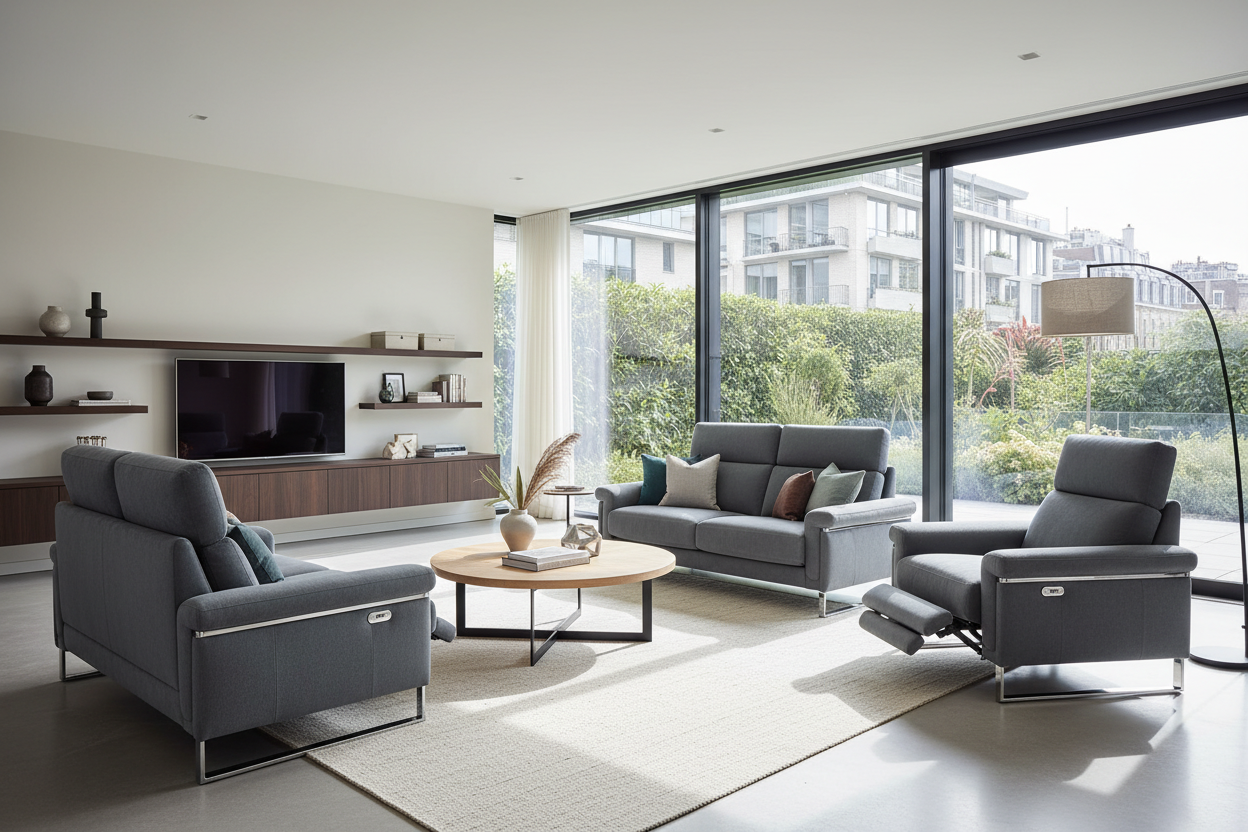
Float the piece away from the walls and anchor it with a rug. Pair it with two substantial armchairs opposite the sofa to create a balanced conversation circle, rather than letting the small sofa look lost in the space.
Is a velvet sofa difficult to maintain?
Not necessarily. Modern performance velvets are highly durable and easy to clean. However, cotton velvet is prone to crushing and marking. If you choose velvet, expect "shading" (changes in color based on the nap direction) as part of the aesthetic character.

Leave a comment
This site is protected by hCaptcha and the hCaptcha Privacy Policy and Terms of Service apply.