

















There is nothing quite as distracting in a well-designed study as visual noise. You might have the perfect mahogany desk and an ergonomic chair wrapped in Italian leather, but if your pens, papers, and tech peripherals are scattered across the surface, the design intent fails. As an interior designer, I often see clients treat office supply storage as an afterthought—plastic bins bought in a rush—rather than an integral part of the room's architecture. True organization is about curating a workflow that feels as sophisticated as the furniture itself.
Key Features to Look For
- Material Integrity: Prioritize solid wood, powder-coated steel, or high-grade leather over thin plastics to ensure longevity and aesthetic cohesion.
- Drawer Depth & Scale: Look for shallow top drawers (2-3 inches) for small items; deep drawers without dividers often become chaotic "junk drawers."
- Visual Weight: Ensure the storage unit balances with your desk; heavy filing cabinets can visually anchor a room, while floating shelves keep it airy.
- Modularity: High-quality systems allow you to reconfigure internal compartments as your workflow changes.
Elevating Aesthetics Through Material Selection
When selecting storage for office supplies, the tactile experience matters. In a luxury workspace, the storage should complement the existing joinery. If your desk is a walnut veneer, avoid clashing wood grains. Instead, opt for a contrasting texture like matte black metal or a leather-wrapped office supply storage organizer. This creates a layered, collected look rather than a "matched set" that can feel corporate and stale.
For open shelving, consider the visual texture of the organizers themselves. Woven textures or felt baskets add warmth and acoustic dampening—a subtle detail that improves the room's ambiance. Remember, office storage and organization is not just about hiding things; it is about displaying what is necessary in a pleasing way.
Zoning and Layout Strategy
Effective office organization storage relies on proximity. In design terms, we look at the "reach radius." Items used daily (pens, notepads, charging cables) must be within arm's reach, ideally in a shallow drawer or a desktop vessel. Secondary items (printer paper, reference files) belong in credenzas or rolling pedestrians outside the immediate work zone.
Integrating Vertical Solutions
Floor space is often at a premium in home office organization and storage. utilizing vertical space draws the eye upward and expands the perceived volume of the room. Wall-mounted systems or tall bookcases with integrated cabinetry allow you to hide unsightly clutter behind solid doors while displaying curated books and art on open shelves. This balance is crucial for maintaining a professional yet inviting atmosphere.
The Micro-Details: Internal Organization
The difference between a messy drawer and a functional tool is the insert. Generic storage office organizers often slide around inside drawers every time you open them. I always recommend specifying organizers with non-slip rubber feet or, better yet, custom-fitted felt liners. These liners protect the drawer interior from ink stains and scratches while keeping your storage organizer office tools precisely where you left them.
My Personal Take on Office Supply Storage
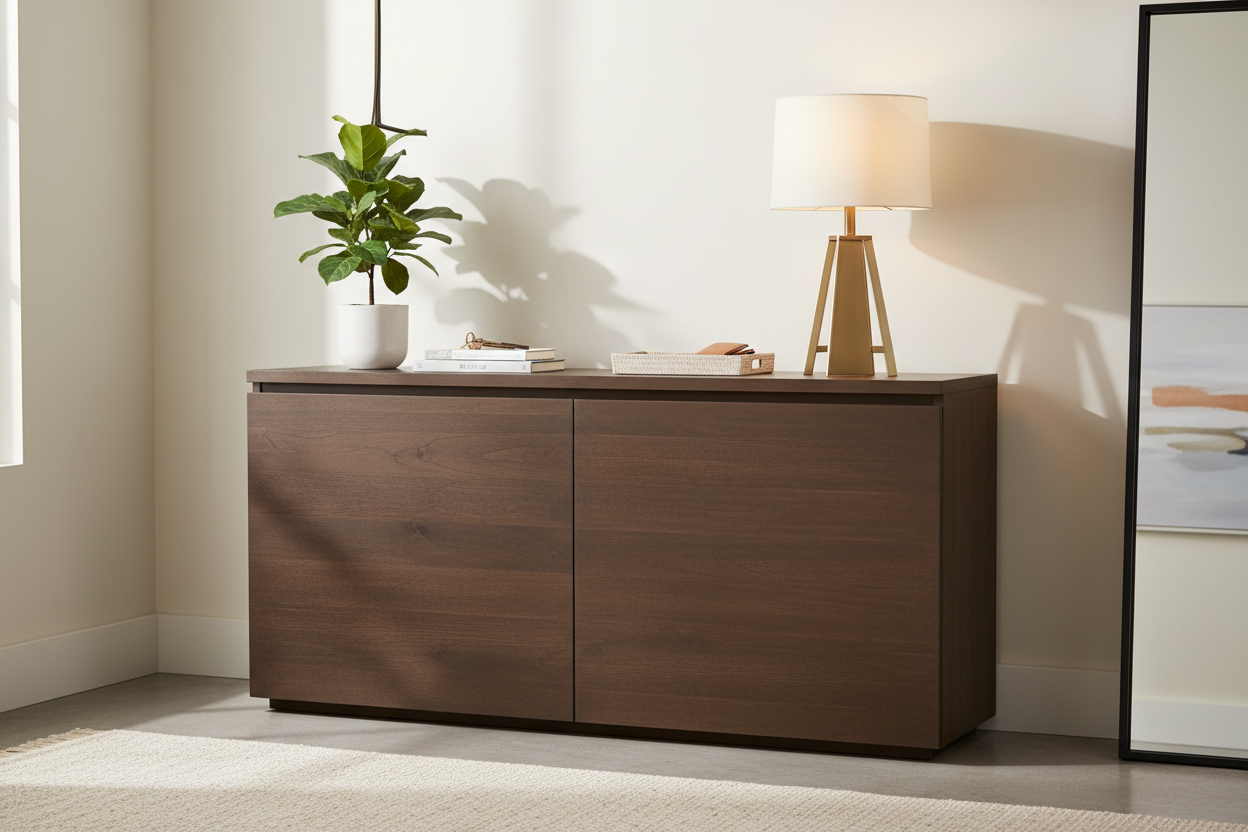
I learned a hard lesson early in my career while designing a minimalist workspace for a tech executive. I specified a stunning, sleek vintage teak credenza for her storage. It looked incredible in the photos. However, two months later, she called me in frustration.
The issue wasn't the look; it was the depth. The cabinets were 24 inches deep with no internal drawers, just open caverns. She was losing hard drives and cables in the "abyss" at the back. I had to go back and retrofit the piece with custom pull-out trays. It taught me that accessibility trumps volume every time. Now, when I evaluate office storage & organization pieces, I actually bring a standard stapler and a stack of A4 paper to the showroom. I check if the drawers extend fully or if they stop three inches short, hiding the back contents. It’s those unpolished, practical details that determine if a piece is actually livable.
Conclusion
Investing in high-quality office organization and storage is an investment in your mental clarity. By choosing materials that age well and prioritizing ergonomic layouts, you create a space that supports your best work. Don't settle for temporary fixes; curate a system that serves your design vision.
Frequently Asked Questions
How do I maintain leather storage organizers?
Dust regularly with a dry microfiber cloth. If you use leather storage for office supplies, apply a high-quality leather conditioner every 6-12 months to prevent cracking, especially in sun-drenched rooms.
What is the best storage solution for a small desk?
For compact spaces, look for a monitor riser with integrated drawers. This lifts your screen to eye level for better ergonomics while providing a hidden compartment for small office organization storage, keeping the desktop clear.
How do I stop drawers from becoming cluttered?
The golden rule is "a place for everything." Use modular dividers to create specific boundaries. If an item doesn't have a designated slot in your office supply storage organizer, it will inevitably create mess. Review and purge contents quarterly.


Leave a comment
This site is protected by hCaptcha and the hCaptcha Privacy Policy and Terms of Service apply.