

















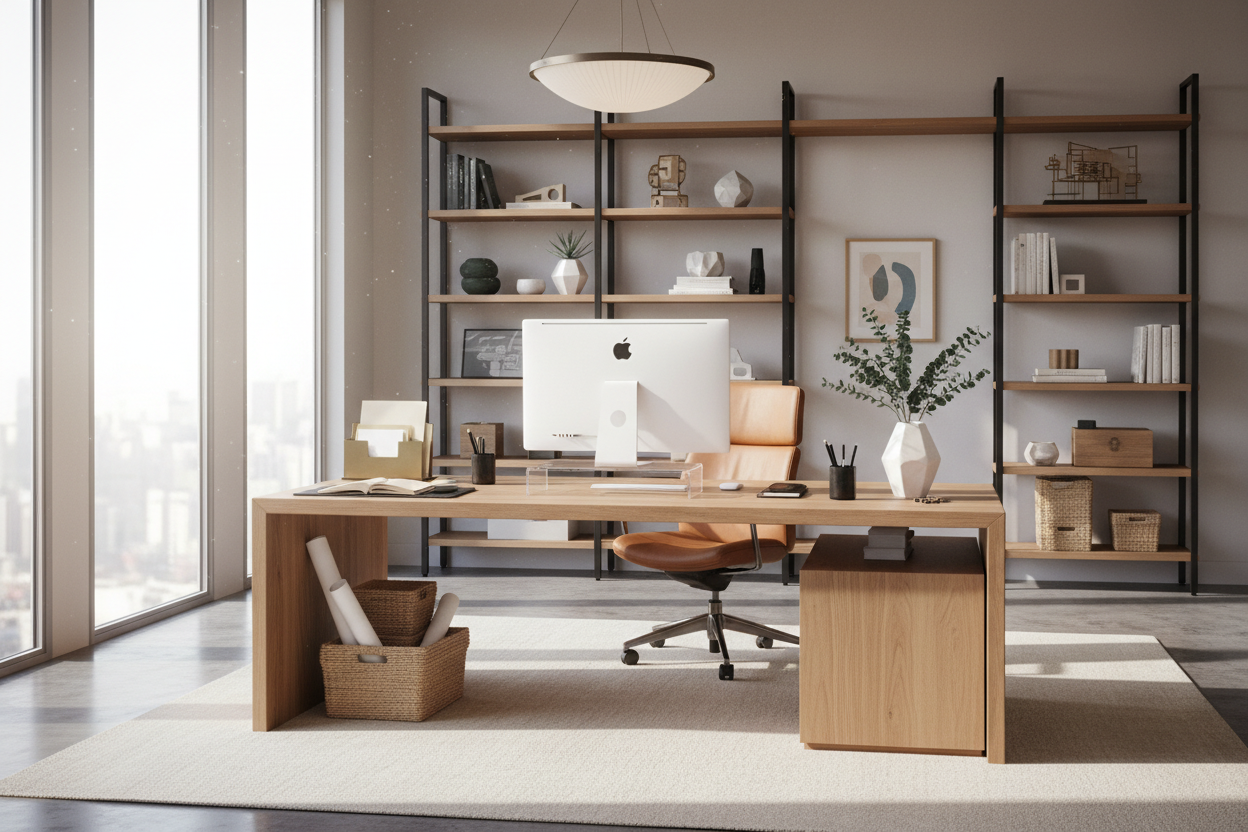
There is a distinct psychological shift that occurs when you sit down at a desk that has been intentionally curated rather than haphazardly piled. As an interior designer, I often see clients treat storage as an afterthought, buying plastic bins merely to house clutter. However, the right office space organizers do more than hold pens; they define the visual architecture of your workday. A well-organized desk reduces cognitive load, allowing your creativity to flow without the visual friction of untamed cables or scattered documents.
Quick Decision Guide: Selecting Your Organizers
If you are looking to elevate your workspace immediately, prioritize these four design pillars to ensure your purchase stands the test of time and trend:
- Material Continuity: Choose materials that converse with your desk. If you have a walnut desk, opt for leather or matte metal organizers to create texture, rather than matching wood-on-wood which can look heavy.
- Scale and Proportion: Ensure the organizer height does not obstruct your line of sight or overwhelm the desktop surface area.
- Modularity: Look for stackable or separable units that can adapt as your workflow requirements change over time.
- Tactile Quality: Since you touch these items daily, prioritize finished edges, weighted bases (to prevent tipping), and lined interiors to dampen sound.
Defining the Material Palette
The difference between a corporate cubicle and a luxury home office often comes down to materiality. When sourcing an office space organizer, avoid cheap, high-gloss plastics that tend to yellow or crack. Instead, lean into materials that develop a patina or offer structural integrity.
Solid Wood vs. Veneer
Solid wood organizers bring warmth and weight, anchoring the desk. They are durable and can be refinished. Veneer options are lighter and more affordable but beware of peeling edges over time. For a sophisticated look, I often recommend oak or walnut finishes that complement the organic grain of your furniture.
Metal and Leather Accents
For a more industrial or modern silhouette, powder-coated steel mesh or solid brass trays are excellent. They provide a sharp contrast to wooden desktops. Leather—whether genuine or high-quality vegan—adds a layer of softness and sound absorption, silencing the clatter of dropping keys or coins.
Zoning and Ergonomics
Placement is just as critical as the product itself. In design, we talk about the "reach radius." Your primary organizers—those holding your daily writing instruments and current files—should sit within an arm's sweep. Secondary storage should move to the periphery.
Visual balance is key here. If you place a heavy vertical file sorter on the left, balance it with a low-profile tray or a substantial lamp on the right. This asymmetry keeps the eye moving and prevents the desk from feeling lopsided.
My Personal Take on Office Space Organizers
I have a confession to make regarding the "clear acrylic" trend. A few years ago, I specified a complete suite of high-end, clear acrylic organizers for a client who wanted a "minimalist, invisible" look. On installation day, it looked stunning—light, airy, and architectural.
However, three months later, I visited for a follow-up. The reality was far less glamorous. The acrylic had attracted dust like a magnet, and the bottom of the pencil cup was clouded with graphite smudges that were impossible to wipe out without scratching the material. Furthermore, every fingerprint was visible. The lesson? Unless you have a cleaning staff dusting your desk daily, opt for opaque materials or textured finishes. I now use a felt-lined concrete organizer on my own drafting table; it hides the dust, doesn't slide around, and the matte finish feels luxurious against my hand.
Conclusion
Transforming your workspace isn't about achieving perfection; it's about creating a rhythm that supports your work. By selecting organizers that offer both functional zoning and aesthetic pleasure, you turn a mundane necessity into a design feature. Clear the clutter, invest in quality materials, and watch your productivity rise.
Frequently Asked Questions
How do I stop my organizers from sliding on a smooth desk?
This is a common annoyance with lightweight organizers. I recommend applying small silicone or felt bumper pads to the bottom corners. Not only does this provide grip, but it also protects your desktop finish from scratches.
Can I mix and match different styles of organizers?
Absolutely, but keep a common thread. If you mix materials (like wood and metal), try to keep the color palette monochromatic. For example, black metal wire trays pair beautifully with black leather cups. This creates a curated, eclectic look rather than a messy one.
What is the best solution for a very small desk?
Go vertical. Utilizing wall-mounted organizers or monitor risers with built-in drawers can free up precious square footage on the desktop surface. Avoid wide, horizontal trays in favor of upright file holders.

Leave a comment
This site is protected by hCaptcha and the hCaptcha Privacy Policy and Terms of Service apply.