


















We have all fallen down the rabbit hole of scrolling through endless feeds of perfect interiors, yet when it comes time to execute, the room feels flat. The challenge isn't finding ideas; it's filtering them through a lens of functionality and longevity. True inspiration for office design goes beyond aesthetic mimicry—it requires understanding how a space influences your cognitive load and physical well-being. As a designer, I tell my clients that a workspace should not just look good; it should actively facilitate your best work.
Key Elements of Inspired Workspaces
- Ergonomic Integrity: Prioritizing chair mechanisms and desk heights over purely sculptural shapes.
- Lighting Layers: Balancing ambient overhead light with focused task lighting to reduce eye strain.
- Material Durability: Choosing surfaces (like solid walnut or high-pressure laminate) that withstand daily wear.
- Acoustic Control: Incorporating textiles or rugs to dampen echo in modern office inspo layouts.
- Biophilic Accents: Integrating plant life to improve air quality and visual calmness.
Translating Office Inspirations into Reality
When you look at office pictures ideas, you are often seeing a staged moment, not a lived-in reality. To bridge that gap, start by analyzing the "bones" of the room. High-end design relies heavily on scale and proportion. A common mistake is choosing a desk that is too small for the room, making the space feel cluttered, or one that is too large, restricting flow. Look for inspirational office ideas that mirror your actual square footage to gauge realistic furniture placement.
Materiality: The Tactile Experience
Inspired office design is rooted in texture. In a corporate setting, we often see sterile materials, but for a private or executive office, we want tactile warmth. If you are drawn to a mid-century aesthetic, look for rich wood grains like teak or walnut. However, be wary of veneers if you are heavy-handed with your equipment; a solid wood edge banding will survive chair knocks much better than a simple veneer tape.
Visual Balance and Layout
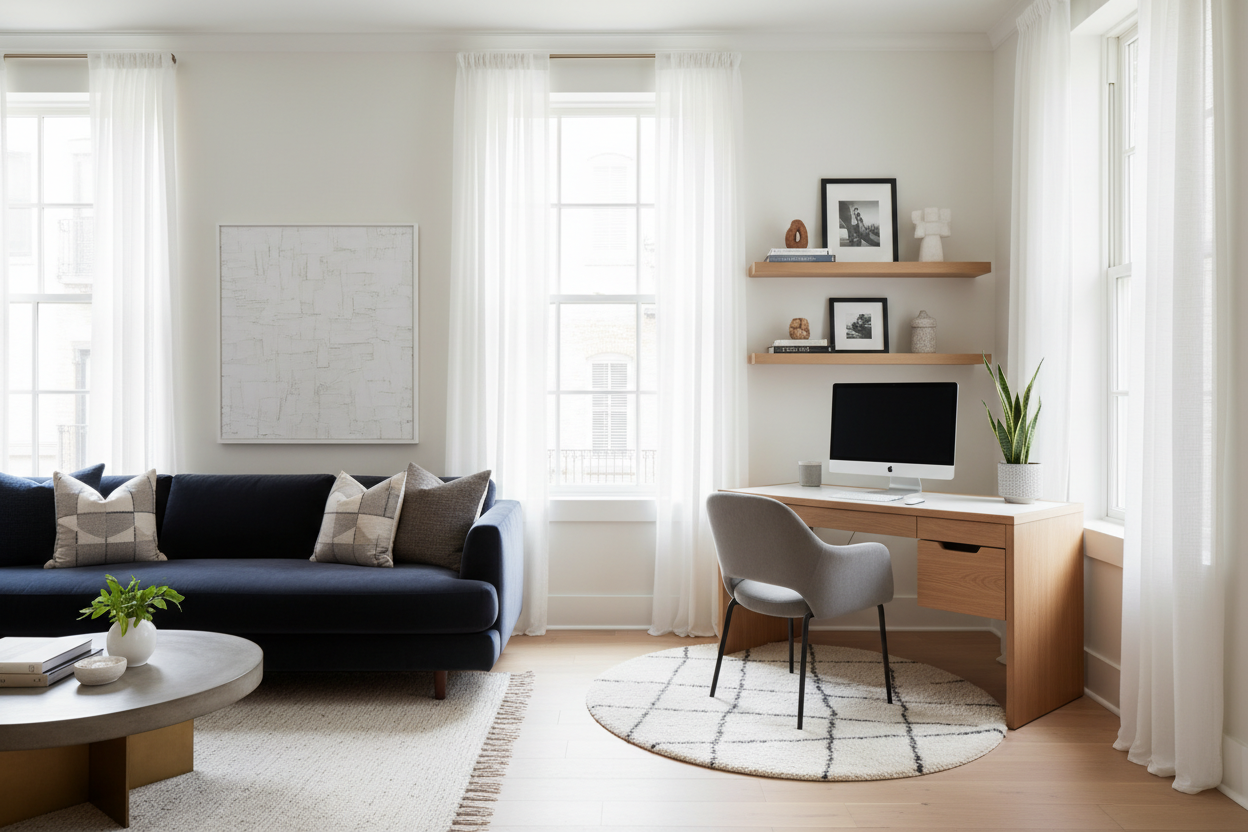
The placement of your primary workstation dictates the energy of the room. Office design inspo often features the desk floating in the center of the room, facing the door. This is known as the "power position." It commands authority and allows you to see who is entering. If space is tight, avoid pushing the desk directly against a blank wall, which can feel stifling. Instead, position it perpendicular to a window to gain natural light without the direct glare on your monitor.
Curating Inspirational Office Design for Focus
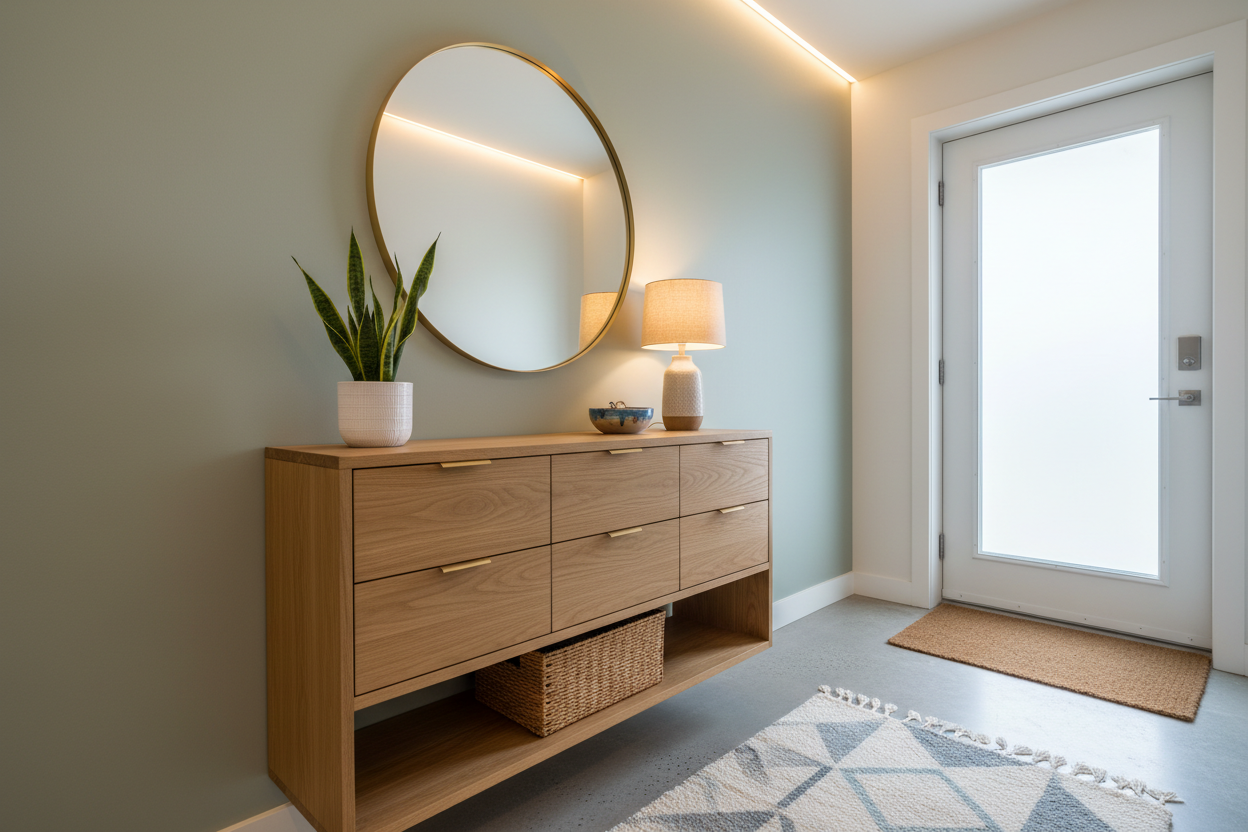
Clutter is the enemy of focus. When seeking office space inspiration, pay close attention to storage solutions. Open shelving offers a chance to display books and art, creating a sophisticated backdrop for video calls, but it requires discipline to keep tidy. Closed cabinetry or credenzas are often the unsung heroes of a functional office, hiding the printer, router, and paperwork that ruin the visual serenity of a space.
My Personal Take on Inspiration for Office Design
I learned a hard lesson early in my career regarding inspirational office design versus reality. I once specified a stunning, high-gloss black lacquer desk for a client who wanted a sleek, "tech-noir" aesthetic. It looked incredible in the portfolio photos. However, three weeks later, the client called me in frustration.
The issue wasn't the structure; it was the finish. Every single fingerprint, dust mote, and coffee cup ring was visible instantly. The client spent more time wiping the desk than working at it. We ended up having to commission a custom leather desk blotter to cover the main work area, which compromised the clean look we originally wanted. Now, when I see sleek office inspirations featuring high-gloss surfaces, I immediately advise clients to opt for matte or satin finishes. They hide the reality of daily use—oils, dust, and scratches—far better, keeping the office looking pristine without constant maintenance.
Conclusion
Building a workspace that resonates with your personal style requires looking past the initial image. By focusing on quality materials, proper scale, and realistic finishes, you can turn fleeting office inspirations into a permanent, productive sanctuary. Trust your taste, but verify the functionality.
Frequently Asked Questions
How do I find inspiration for office layouts in small rooms?
For compact spaces, look for office space inspiration that utilizes verticality. Wall-mounted shelving and floating desks keep the floor visible, which tricks the eye into thinking the room is larger. Focus on "cloffice" (closet-office) designs for clever space-saving ideas.
Is custom furniture worth it for a home office?
If you have an awkward alcove or specific storage needs, custom joinery is often the best route. However, for standard rooms, high-quality modular furniture often provides the same inspired office design look at a lower price point and offers the flexibility to move the furniture later.
How do I mix modern office inspo with traditional architecture?
Transitional design is the key here. You can place a sleek, glass-top modern desk in a room with traditional wainscoting. The contrast creates a curated, collected feel. Use a vintage rug to bridge the gap between the modern furniture and the classic architectural details.

Leave a comment
This site is protected by hCaptcha and the hCaptcha Privacy Policy and Terms of Service apply.