


















There is a distinct difference between a room that simply contains a desk and a workspace designed for high-performance living. As an interior designer, I often see clients treating their home office as an afterthought, repurposing dining chairs or buying generic sets that lack character. This approach usually results in discomfort and a lack of inspiration. To truly elevate your workday, you need to explore ideas for office furniture that prioritize both the architectural integrity of your home and the ergonomic needs of your body. Let’s explore how to curate a space that feels less like a cubicle and more like a sanctuary.
Key Features for a Productive Layout
Before purchasing a single piece, consider these foundational elements to ensure your investment stands the test of time and trend:
- Ergonomics & Adjustability: Look for seating with lumbar variability and desks that accommodate sit-stand transitions without sacrificing style.
- Material Integrity: Distinguish between solid hardwoods (durability, patina) and high-pressure laminates (scratch resistance, uniformity).
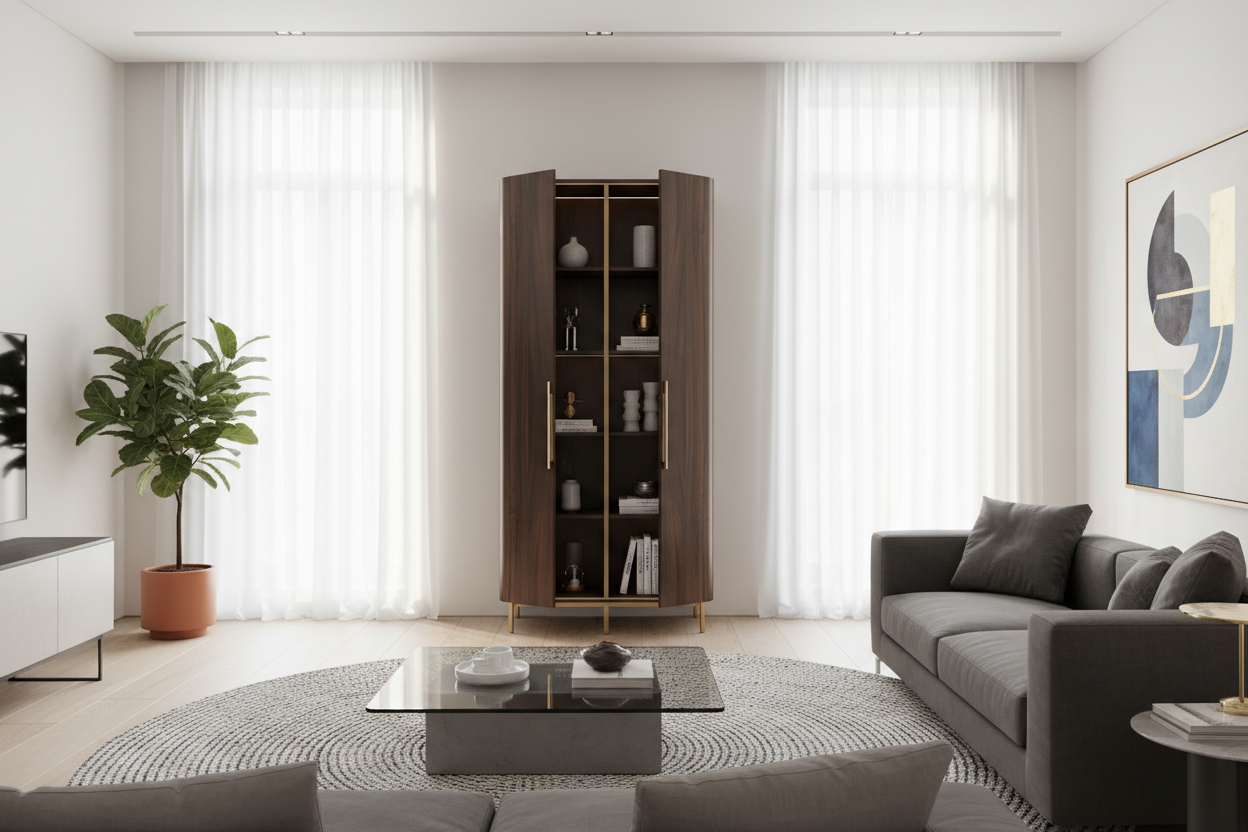
- Visual Weight: Ensure the scale of the furniture matches the room size; heavy, dark woods can shrink a small room, while acrylic or slender metal legs open it up.
- Cable Management: The best designs feature integrated channels to hide technology clutter, maintaining a clean aesthetic.
Defining Your Aesthetic: Beyond the Corporate Look
The era of drab, grey filing cabinets is over. Today, we are seeing unique office furniture ideas that blend residential comfort with commercial durability. When selecting a desk, consider the silhouette. A floating mid-century modern desk in walnut creates a sense of airiness, whereas a heavy, double-pedestal executive desk commands authority but requires ample square footage.
Material Selection: Texture and Tone
Texture plays a massive role in how a room feels. I often advise clients to introduce tactile elements to soften the hard edges of technology. Consider a desk with a leather-inlay surface or chairs upholstered in bouclé or velvet rather than standard mesh. These materials absorb sound, reducing echo in the room, and add a layer of luxury that standard office supplies miss.
Functionality Meets Personality
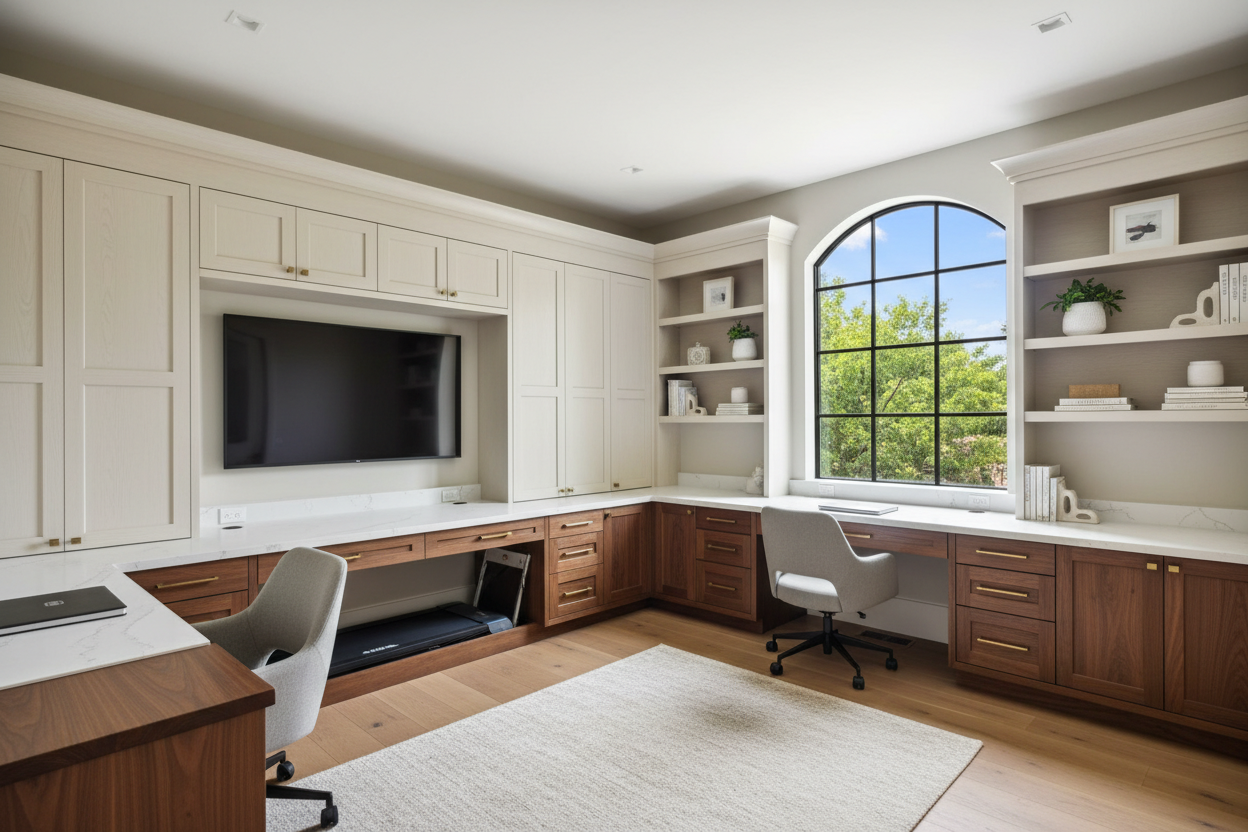
For those seeking cool office furniture ideas, look toward modular systems. Shelving units that can be reconfigured allow your office to grow with your business. Industrial metal shelving paired with warm timber shelves offers a loft-like vibe that is both functional and visually engaging.
Injecting Playfulness
Don't be afraid to incorporate fun office furniture ideas. This doesn't mean bean bags (unless that fits your brand), but rather statement pieces. An accent chair in a bold ochre or teal can serve as a reading nook for reviewing documents. It breaks the monotony of sitting at a computer and adds a focal point to the room design.
My Personal Take on ideas for office furniture
I learned a hard lesson early in my career regarding "sleek" design versus reality. I once specified a stunning, architectural glass-top desk for a client who wanted a minimalist look. In the showroom, it looked pristine. However, two weeks after installation, I visited the site and saw the problem: fingerprints were everywhere, and because there was no modesty panel or drawers, the spaghetti junction of computer wires was fully visible underneath.
It ruined the entire aesthetic. We ended up having to retroactively install cable spines and I had to recommend a specific glass cleaner. Now, I always warn clients: if you choose glass or high-gloss lacquer, you are signing up for daily maintenance. Sometimes, a matte wood finish or a textured laminate is the forgiving friend you actually need during a busy work week.
Conclusion
Transforming your office isn't just about filling a room; it's about creating an ecosystem where you can thrive. By selecting furniture that balances ergonomic science with sophisticated design, you invest in your own productivity. Choose pieces that speak to your personal style, and your workspace will become your favorite room in the house.
Frequently Asked Questions
How do I mix wood tones in an office?
The trick is to keep the undertones consistent. If your desk is a warm walnut, try to match other wood pieces (like shelving) to that warm undertone, even if the darkness varies. Alternatively, use a contrasting material like black metal or painted finishes to break up the wood look.
Is a dedicated ergonomic chair worth the investment?
Absolutely. While a dining chair might look better, it lacks the 5-point adjustment (seat depth, lumbar, arm height, tilt, and tension) required for 8-hour workdays. Look for performance fabrics to get the ergonomic benefits without the "corporate" mesh look.
How can I fit a home office in a small space?
Focus on verticality. Use a ladder desk or a wall-mounted secretary desk that can fold away. Choose a chair with a low back or a ghost chair (acrylic) to reduce visual clutter, making the room feel larger than it is.

Leave a comment
This site is protected by hCaptcha and the hCaptcha Privacy Policy and Terms of Service apply.