

















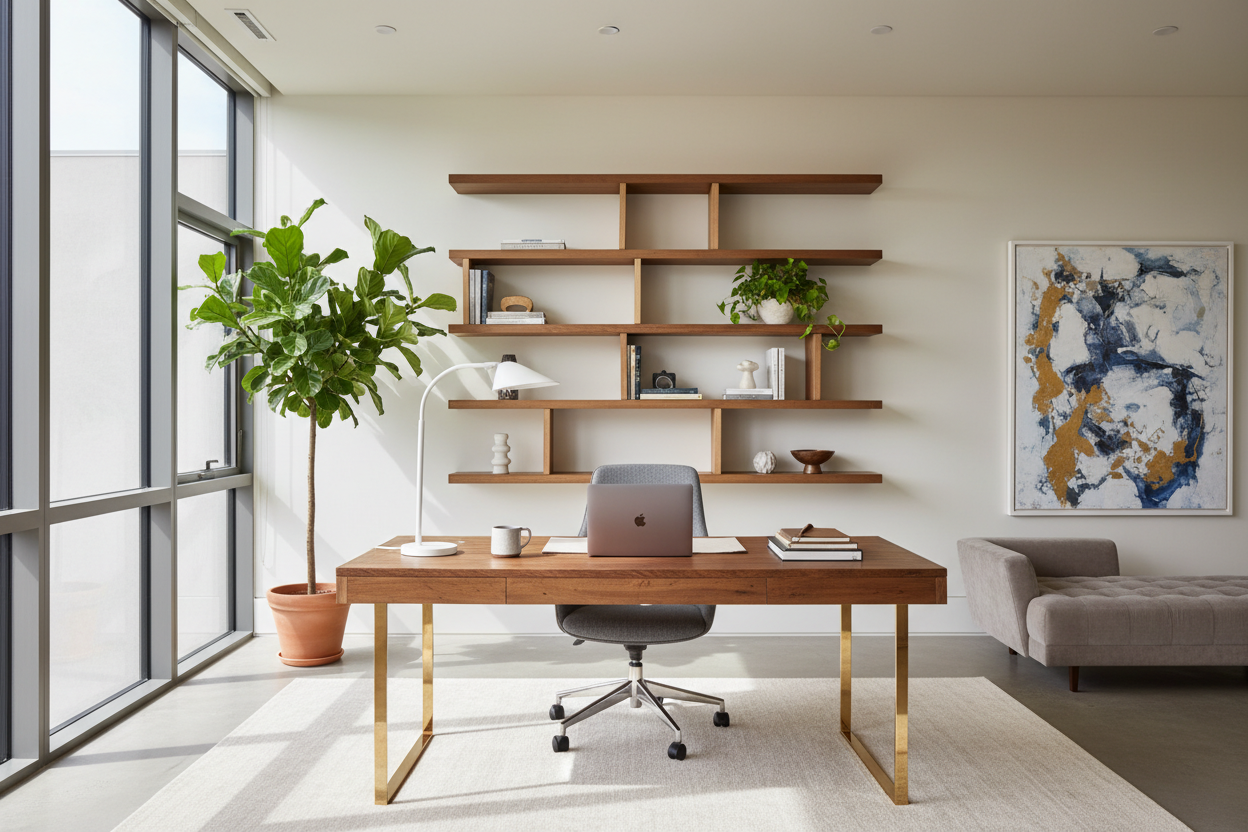
We have all walked into a workspace that feels disjointed—where the furniture clashes with the lighting, and the atmosphere feels sterile rather than productive. In the world of high-end interiors, your environment is your business card. Whether you are designing a corporate headquarters or a dedicated home study, the visual narrative—your office work image—sets the psychological tone for focus and client perception. It is not just about buying a desk; it is about curating a scene that communicates competence and style.
Key Elements of a Photogenic Workspace
- Lighting Temperature: Aim for 3000K-4000K (neutral white) to avoid the sterile blue cast often seen in generic stock photos of office workers.
- Material Consistency: Stick to a palette of three core textures (e.g., walnut, leather, brass) to maintain visual cohesion.
- Spatial Flow: Ensure 36 to 48 inches of clearance behind desks to prevent a cramped, cluttered appearance.
- Focal Points: Position statement art or shelving to serve as a deliberate backdrop for video calls and in-person meetings.
Designing Beyond the "Stock Photo" Look
When clients come to me, they often bring working in office images they found online as inspiration. While these reference shots are useful for mood boarding, they often lack personality. The goal is to elevate your space beyond the generic aesthetic of an office worker stock photo and create a bespoke environment that reflects your specific brand of professionalism.
The Architecture of Layout
To achieve a sophisticated office workplace image, start with the silhouette of your furniture. Avoid the heavy, blocky desks that dominated the early 2000s. Instead, look for floating tops or legs with negative space. This allows light to travel through the room, making the space feel expansive. When reviewing office work images for inspiration, notice how the most successful designs use asymmetry—perhaps a floor lamp on one side and a tall plant on the other—to create visual tension and interest.
Materiality and Texture
The difference between a flat, lifeless room and a dynamic one lies in texture. If you look closely at high-quality images of office work in design magazines, you will see layers. A matte-finish oak desk absorbs light, reducing glare, while a leather executive chair adds a tactile element of luxury. Avoid high-gloss finishes on horizontal surfaces; they are a nightmare for fingerprints and create distracting reflections during video conferences.
Curating Wall Decor and Art
Wall treatments are where many designs fail. I often see people searching for literal office worker pictures or generic motivational posters to fill space. This is a missed opportunity. Instead of literal pics of office workers, opt for abstract art that incorporates your brand colors, or architectural photography that adds depth. If you are using a digital office worker wallpaper for virtual meetings, ensure your physical background matches that level of polish. The physical backdrop—bookshelves styled with intention, not just stuffed with paper—creates the ultimate office work photo aesthetic in real life.
My Personal Take on Office Work Image
I once worked with a finance executive who was obsessed with creating the perfect "power office." He brought me dozens of stock image office worker examples featuring massive mahogany desks and dark leather. He wanted that exact gravity.
However, his office was a 12x12 room with a single north-facing window. I had to have a hard conversation with him: if we installed that heavy furniture, the room wouldn't look powerful; it would look like a cave. We compromised on a mid-century modern rosewood desk with tapered legs. It had the dark wood grain he loved but a lighter visual footprint.
The lesson? Don't blindly copy a picture of office worker setups you see online without considering your room's specific lighting and scale. The camera lens distorts depth in those images of office workers; in real life, you need breathing room. That rosewood desk ended up aging beautifully, developing a patina that no laminate could ever replicate.
Conclusion
Creating a distinguished office work image isn't about mimicking a catalog; it's about translating the principles of balance, light, and texture into your daily workflow. By selecting materials that age gracefully and layouts that breathe, you create a workspace that doesn't just look good in a picture—it feels good to work in.
Frequently Asked Questions
How do I choose art that looks professional but not boring?
Avoid literal representations, such as photos of office workers in suits. Instead, choose large-scale abstract pieces or landscapes that provide a "mental break" for your eyes. The art should complement your furniture's upholstery, not compete with it.
What is the best desk finish for a photogenic office?
Matte or satin finishes in natural wood tones (walnut, white oak) or soft-touch laminates are best. They reduce glare in office workers images and video calls, whereas glass or high-gloss lacquer can create harsh reflections.
How can I make a small home office look like an executive suite?
Scale is everything. Use a rug to define the zone—make sure it extends at least 24 inches beyond the chair. Good cable management is also non-negotiable; visible wires will instantly ruin the polished office worker wallpaper vibe you are trying to achieve.
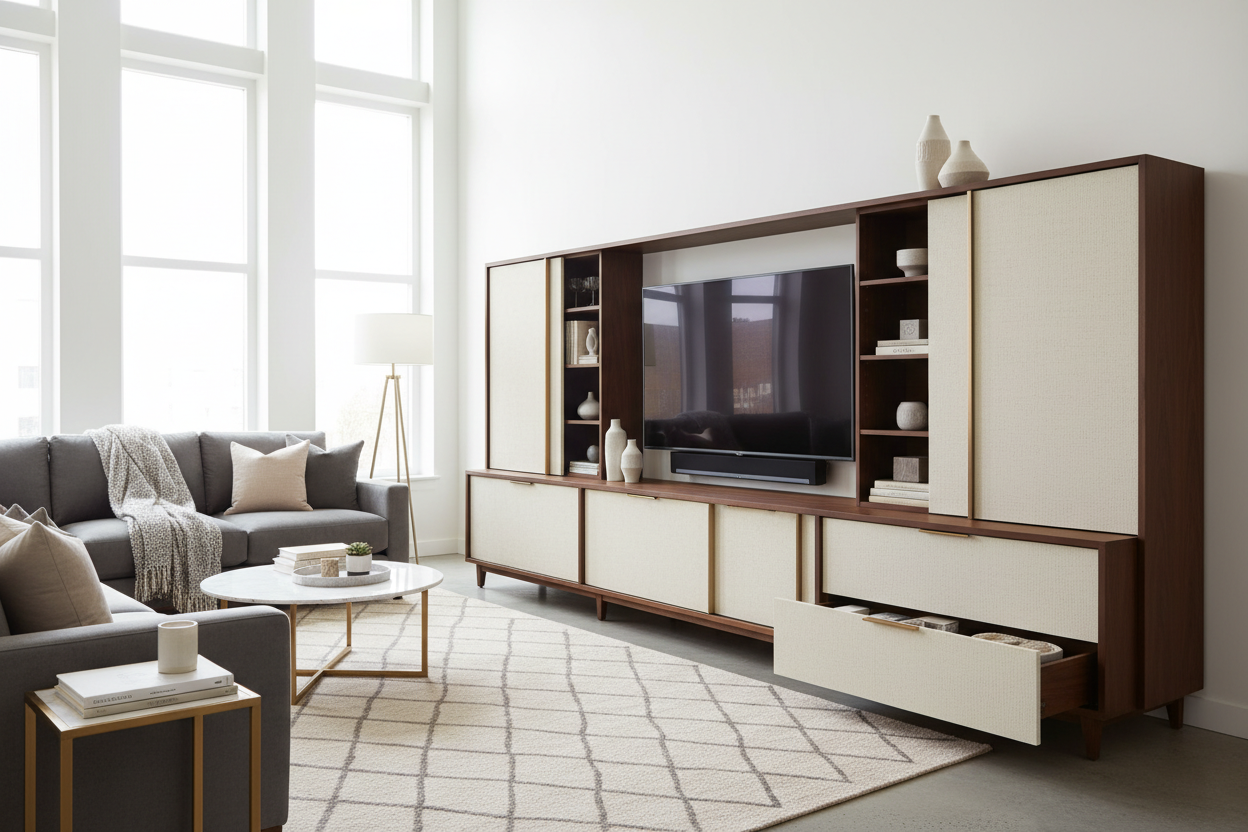
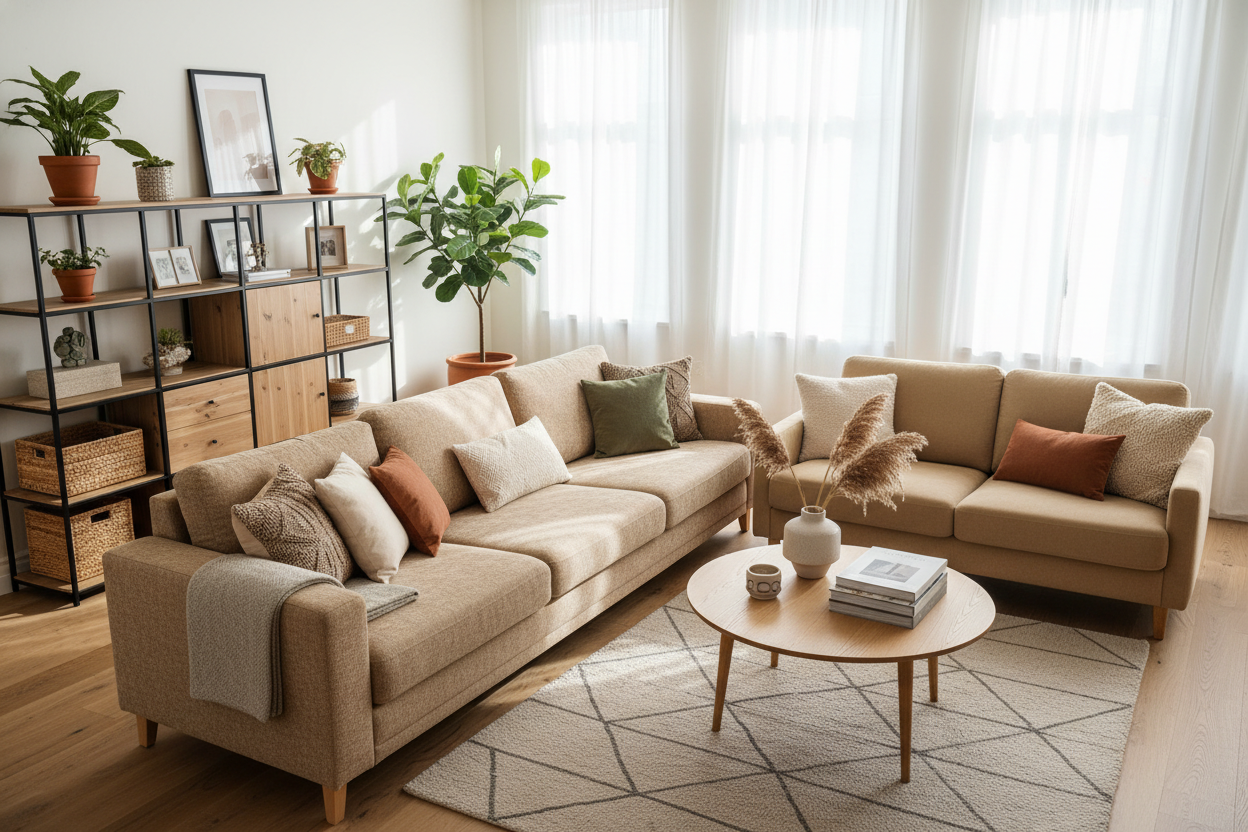

Leave a comment
This site is protected by hCaptcha and the hCaptcha Privacy Policy and Terms of Service apply.