

















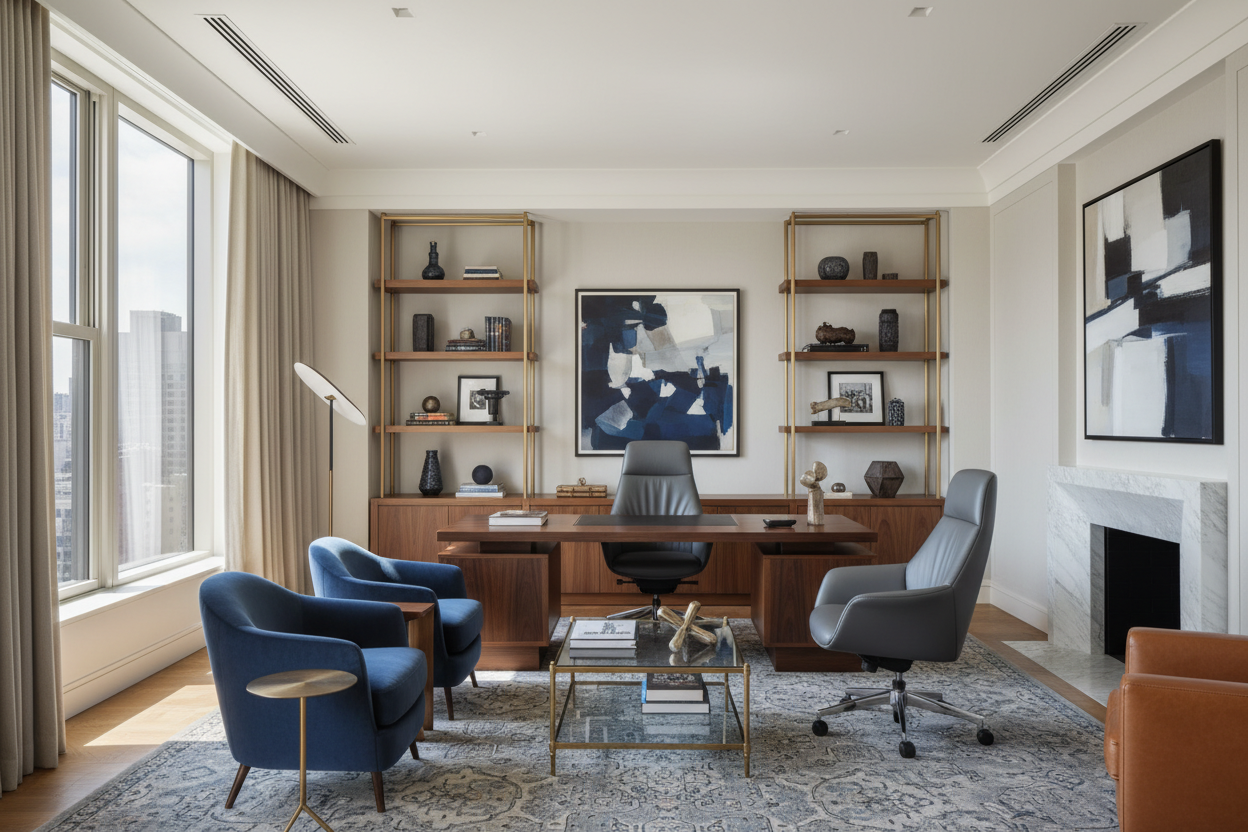
Walking into your workspace should not feel like a chore; it should feel like an arrival. True luxury in design isn't merely about purchasing the most expensive desk available; it is about curation, texture, and the seamless marriage of form and function. When clients come to me asking for a fancy office, I often have to steer them away from gaudy ornamentation and toward substantial, timeless quality. A truly sophisticated space commands respect through subtlety, not volume.
Key Elements of Luxury Workspace Design
Before investing in high-end pieces, consider these foundational pillars that define a premium aesthetic.
- Material Integrity: Prioritize solid hardwoods (walnut, oak) and natural stones over veneers or laminates.
- Ergonomic Sophistication: Look for chairs that hide advanced mechanisms within high-quality leather or velvet upholstery.
- Lighting Layers: A mix of ambient, task, and accent lighting is crucial for setting a mood.
- Cable Architecture: True luxury is wireless—or at least appears to be. Integrated cable management is non-negotiable.
- Scale and Proportion: Furniture must fit the room's volume; a massive desk in a small room feels cramped, not grand.
Defining Luxury Through Materiality
The difference between a standard workspace and a high-end environment lies almost entirely in tactile experience. When selecting furniture, the finish is everything. I always advise clients to look for "living" materials that develop a patina over time.
Wood and Stone
Avoid high-gloss synthetics. Instead, opt for matte-finished walnut or rift-sawn oak. These woods absorb light rather than reflecting it, creating a warmer, more grounded atmosphere. If you desire a stone desktop, marble is stunning but porous—it stains easily with coffee rings. Quartzite offers a similar visual drama with significantly higher durability.
Textiles and Upholstery
Your seating should feature full-grain leather or commercial-grade mohair. These fabrics breathe better than synthetic blends, ensuring you remain comfortable during long working hours. Pay attention to the stitching; double-stitched seams usually indicate a piece built to last decades, not just seasons.
The "Power Position" Layout
Placement dictates perception. In luxury design, we utilize the "command position." Your desk should never face a wall if you have the square footage to avoid it. Position the desk so you face the door, with a solid wall or curated bookshelf behind you.
This layout does two things: it reduces subconscious anxiety by allowing you to see who enters, and it creates a visually impressive backdrop for video calls or in-person meetings. Floating the desk in the center of the room requires a piece that is finished beautifully on all sides—no exposed particle board on the back panel.
Lighting as Architecture
A single overhead light is the enemy of a sophisticated atmosphere. To achieve that gallery-like feel, you need to layer your illumination. Start with a statement chandelier or pendant for general ambiance. Add a dedicated architectural task lamp—preferably in brass or matte black—for focused work. Finally, use LED strip lighting inside bookshelves or under floating shelves to add depth and drama to your displays.
My Personal Take on Fancy Office Design
I learned a hard lesson early in my career regarding the intersection of "fancy" and "functional." I once designed a space for a high-profile client who insisted on a high-gloss, black lacquer executive desk. It looked incredible in the showroom—sleek, reflective, and undeniably expensive.
However, two weeks after installation, he called me in frustration. The glossy surface was a nightmare in practice. It acted like a mirror, reflecting the overhead lights directly into his eyes, causing glare on his monitors. Worse, every single fingerprint showed up instantly, and his optical mouse wouldn't track on the slick surface without a mousepad, which ruined the clean look he wanted. We ended up having to have a custom leather blotter made to cover the center of the desk. The lesson? Matte and satin finishes are not just understated; they are infinitely more livable. True luxury should never annoy you.
Conclusion
Designing a fancy office is an exercise in restraint and quality. It is about selecting pieces that feel good to the touch and support your workflow, rather than just looking expensive. By focusing on authentic materials, proper lighting, and a commanding layout, you create a space that doesn't just look professional—it propels your success.
Frequently Asked Questions
How can I make a small office look fancy?
Focus on verticality and decluttering. Use floor-to-ceiling drapery to heighten the room and invest in one "hero" piece, like a high-quality chair, rather than cluttering the room with many smaller, cheaper items. Mirrors can also add depth and elegance.
Is a custom-built desk worth the investment?
If your room has awkward angles or you have specific tech requirements (like hiding a gaming PC or multiple monitors), custom millwork is unbeatable. It allows for perfect integration of power and storage, which is the hallmark of a luxury space.
What is the best color palette for a luxury office?
Deep, saturated tones often convey more authority and warmth than stark white. Navy blues, charcoal grays, forest greens, and warm cognacs create a cozy, library-like atmosphere that feels expensive and timeless.

Leave a comment
This site is protected by hCaptcha and the hCaptcha Privacy Policy and Terms of Service apply.