

















Core Elements of Computer Table Modern Design
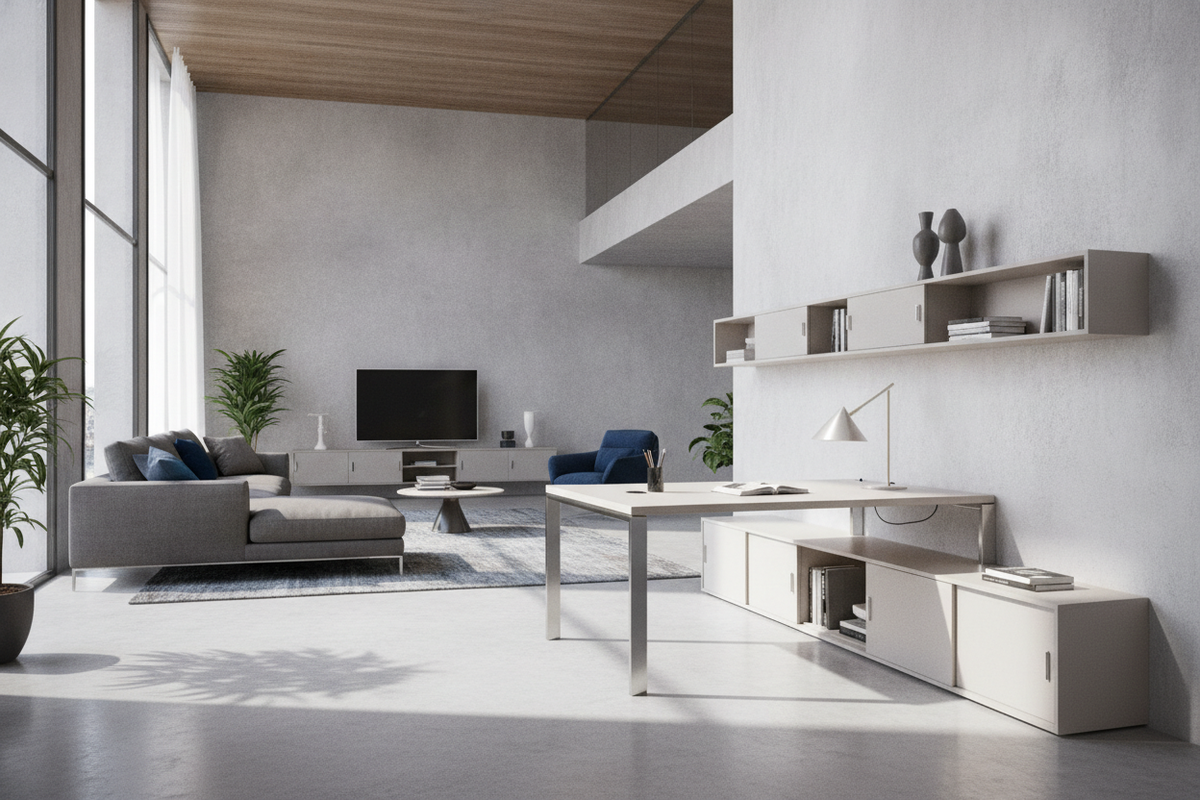
Contemporary workspaces have shifted dramatically away from cumbersome, oversized corporate workstations toward pieces defined by architectural restraint and purposeful geometry. A successful computer table modern design prioritizes clean horizontal lines, minimized visual weight, and deliberate surface planning. Rather than dominating a room with heavy cabinetry, modern silhouettes employ open leg structures, floating pedestals, and slim desktop profiles that allow light to pass through the environment freely.
Achieving this balance requires coordinating technological demands with quiet visual appeal. When planning a setup, selecting pieces from a curated computer desk collection helps establish a baseline of aesthetic harmony. A well-proportioned modern office computer table accommodates monitors, peripheral input devices, and personal task accessories without appearing overloaded. Unobtrusive cord drop-throughs, recessed aprons, and integrated cable management run along the underside to keep necessary power lines tucked away from view, maintaining a crisp profile across the entire work surface.
Dimensional Decision Categories: Matching Scale to Workflow
Selecting the appropriate table footprint requires evaluating both the physical room boundaries and the specific technological ecosystem you rely on daily. Modern computer desks generally fall into distinct dimensional categories designed around specific functional routines:
- Compact Single-Surface Desks: Suited for bedrooms, multi-purpose living areas, or minimal laptop workflows. These pieces emphasize a slender depth that prevents encroachment into active walking corridors while providing adequate surface space for a keyboard and laptop riser.
- Standard Task Workstations: Engineered for single desktop monitor setups with supplementary document space. These models introduce balanced surface depth to ensure comfortable screen focal distance alongside room for discrete desk mats and stationery trays.
- Expansive Multi-Monitor Desks: Built for power users, creative professionals, and dual-display setups. Choosing a wider, more expansive platform, such as a specialized modern computer desk product, ensures wide viewing angles without pushing equipment to the precarious edges of the desktop.
Beyond surface width, knee clearance remains a pivotal dimensional factor for any modern computer office desk. An open substructure devoid of low-hanging crossbars or intrusive central drawers allows freedom of movement, natural posture adjustments, and fluid chair rotation throughout extended work sessions.
Materiality and Framing: Balancing Structural Durability with Visual Warmth
Material choices directly influence how an office table interacts with the broader interior environment. While industrial setups can occasionally feel harsh or clinical, modern residential desks integrate organic tones to soften the workspace. For insights on balancing tech hardware with welcoming textures, our computer design office guide explores methods to counteract an overly utilitarian atmosphere.
Today's table designs pair structural metal underpinnings with warm, tactile surfaces. Powder-coated steel or reinforced aluminum framing provides dependable rigidity without requiring bulky solid panels. These architectural legs support durable composite tops finished in realistic wood-grain veneers, muted matte laminates, or textured neutral surfaces. Walnut, warm oak, and soft ash finishes deliver natural visual warmth, while stone-inspired or monochromatic matte treatments complement minimalist, urban interiors. Selecting high-pressure laminates and durable edge-banding ensures that the active desktop surface resists continuous friction, mouse movement, and minor accidental spills.
Storage Architecture and Peripheral Integration
Integrating storage into a streamlined table requires smart spatial architecture. Traditional desks often relied on heavy floor-to-ceiling drawers that overwhelmed smaller rooms. By contrast, a thoughtful modern office computer table relies on modular, segmented storage that maintains an airy room dynamic.
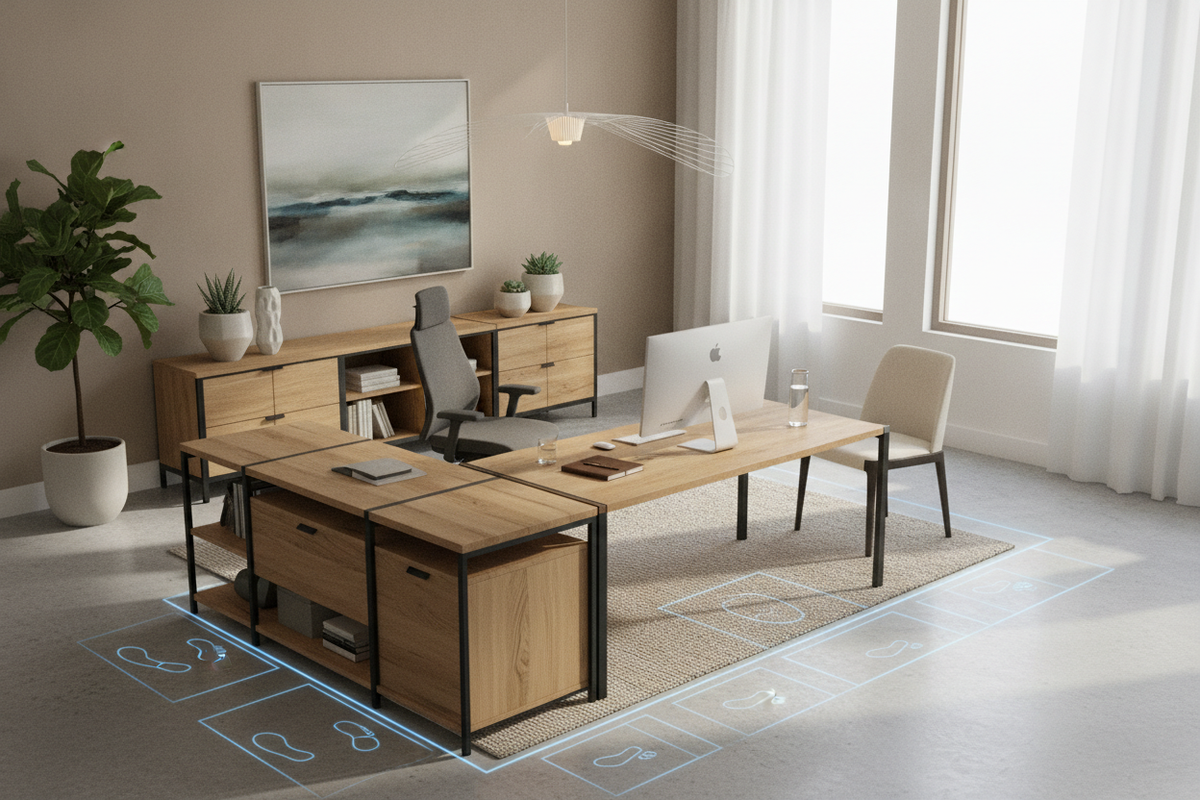
Integrated storage designs frequently incorporate shallow utility drawers directly beneath the primary top, keeping everyday writing tools, charging cables, and notepads concealed yet readily accessible. For larger desktop equipment, external drives, or paper files, integrated side credenzas or corner configurations offer balanced solutions. An intentional setup like a modern office computer product utilizes asymmetrical storage units, open display cubbies, and discreet CPU enclosures to anchor the workspace functionally without disrupting the clean geometry of the room.
Room Placement and Interior Layout Strategies
Where and how a desk sits within a room establishes the mood and focus of the workspace. Positioning a desk perpendicular to natural light sources, such as windows, helps prevent direct solar glare on digital monitors while preserving exterior outdoor views during breaks. Avoid placing screens directly backed against bright window glass, which can create high contrast that tires the eyes.
In open-plan living rooms or hybrid guest spaces, consider floating the table away from the wall to create a commanding executive orientation, or nestle it within an architectural alcove to establish a quiet productivity zone. Exploring concepts in our modern office design guide can provide additional perspective on arranging open flow pathways and defining functional spatial zones. Ensuring adequate clearance around the table guarantees comfortable push-back room for task chairs and preserves intuitive paths of travel across the entire space.
Assembly Considerations and Everyday Maintenance
Long-term satisfaction with your desk depends significantly on proper initial assembly and consistent surface care. When putting together a new table, working on a soft carpet or blanket prevents scratching the finished surfaces. Tightening hardware in progressive stages ensures that structural frames sit plumb, true, and square before fasteners are locked firmly into position.
Most contemporary desks feature adjustable leveling feet at the base of each leg. Taking time to fine-tune these glides stabilizes the table on uneven floorboards or low-pile rugs, eliminating subtle wobbles that disrupt typing. For daily maintenance, gentle microfiber cloths along with mild, pH-neutral cleansers protect matte coatings and melamine surfaces from premature wear. Using dedicated felt-backed desk blotters or coaster trays under warm mugs preserves the beauty of the tabletop, ensuring your desk remains an elegant center for daily productivity.

Leave a comment
This site is protected by hCaptcha and the hCaptcha Privacy Policy and Terms of Service apply.