

















I remember walking into a client's new apartment last year. They'd just downsized from a suburban house, and their beautiful china collection was sitting in boxes, hidden away. 'We just don't have a formal dining room anymore,' they sighed. That's when I introduced them to the china shelf. Not a bulky cabinet, but a sleek, standalone unit. Within a week, their grandmother's porcelain was out, displayed with pride in their living room, and it completely changed how they used the space. If you're staring at inherited dishes or a collection you love but feel stuck on where to put it, you're in the right place.
Quick Takeaways
- A standalone china shelf is more versatile and space-saving than a full china cabinet.
- Look for adjustable shelves (at least 1-inch increments) to fit plates of varying diameters.
- Style by mixing heights and textures—pair your china with books, vases, or framed art.
- Don't limit it to the dining room; a china shelf works beautifully in an entryway or home office.
- Secure delicate items with museum putty and keep the total weight under the shelf's rated limit.
Why a China Shelf Might Be Your Smartest Storage Solution
Let's be honest: the traditional, floor-to-ceiling china cabinet can feel heavy and formal. It demands a dedicated wall and often looks out of place in open-concept living. That's where the standalone china shelf shines. Think of it as the lighter, more agile cousin. I specify these for about 40% of my clients now because they solve a core problem: how to display what you love without committing to a monolithic piece of furniture.
The space-saving benefit is real. A typical freestanding unit might be 60 inches tall, 36 inches wide, and 16 inches deep. That fits neatly against a wall in a kitchen nook or behind a sofa, requiring far less floor space than a full cabinet. The open design also makes a room feel larger, as it doesn't block sightlines. For many modern North American homes, this is a more practical approach. If you're curious about the cabinet alternative, I've written a complete guide to choosing and styling a china cabinet that dives into when a full enclosure makes more sense.
Finding the Perfect China Shelf for Your Space
Choosing the right unit comes down to four things: size, material, style, and placement. First, measure. You need at least 3 inches of clearance above your tallest item, and I always recommend leaving a 36-inch walkway in front for comfortable access. For materials, kiln-dried hardwood frames offer superior stability over cheaper plywood, especially for wider spans. Glass shelves are elegant for display but check the thickness—3/8-inch tempered glass is my minimum for safety.
Style should complement your room. A black metal frame with glass shelves reads modern, while reclaimed wood with iron brackets feels rustic. Placement is key. Wall-mounted china shelves are great for saving floor space, but ensure they're anchored into studs. Freestanding units offer flexibility. For tight corners, a specialized solution can be ideal. I often point clients to our elegant corner china cabinet with shelves for that exact challenge. And never underestimate adjustability. Being able to move shelves up or down by an inch or two is crucial for fitting everything from teacup saucers to large serving platters. Our adjustable shelf storage collection is built with this versatility in mind.
Styling Your China Shelf Like a Designer
This is where the fun begins. The goal is curated, not cluttered. Start by grouping items. Place your dinner plates together, your teacups together. Then, think in terms of visual triangles. If you have a tall vase on the left shelf, balance it with a stack of books or a medium-height pitcher on the right. Mix textures: the smooth glaze of porcelain against the rough weave of a linen napkin in a basket, or the hard surface of china next to a soft, trailing pothos plant.
Don't just fill it with dishes. Integrate a few hardcover books laid flat, a small sculptural object, or a framed photograph. This tells a story about you, not just your tableware. Lighting is critical. If the shelf is in a dim corner, add a slim LED strip light under the front edge of each shelf or a small, focused picture light above. For more inspiration on moving beyond traditional displays, I shared some elegant ideas for showcasing your treasures that work just as well for open shelves.
Beyond the Dining Room: Unexpected Places for a China Shelf
One of my favorite projects involved using a narrow, 24-inch-wide china shelf in a client's entryway. The bottom shelf held baskets for keys and mail, the middle displayed a beautiful ceramic bowl and a few favorite pieces of blue-and-white china, and the top had a framed mirror. It became a functional drop zone that felt intentional, not messy.
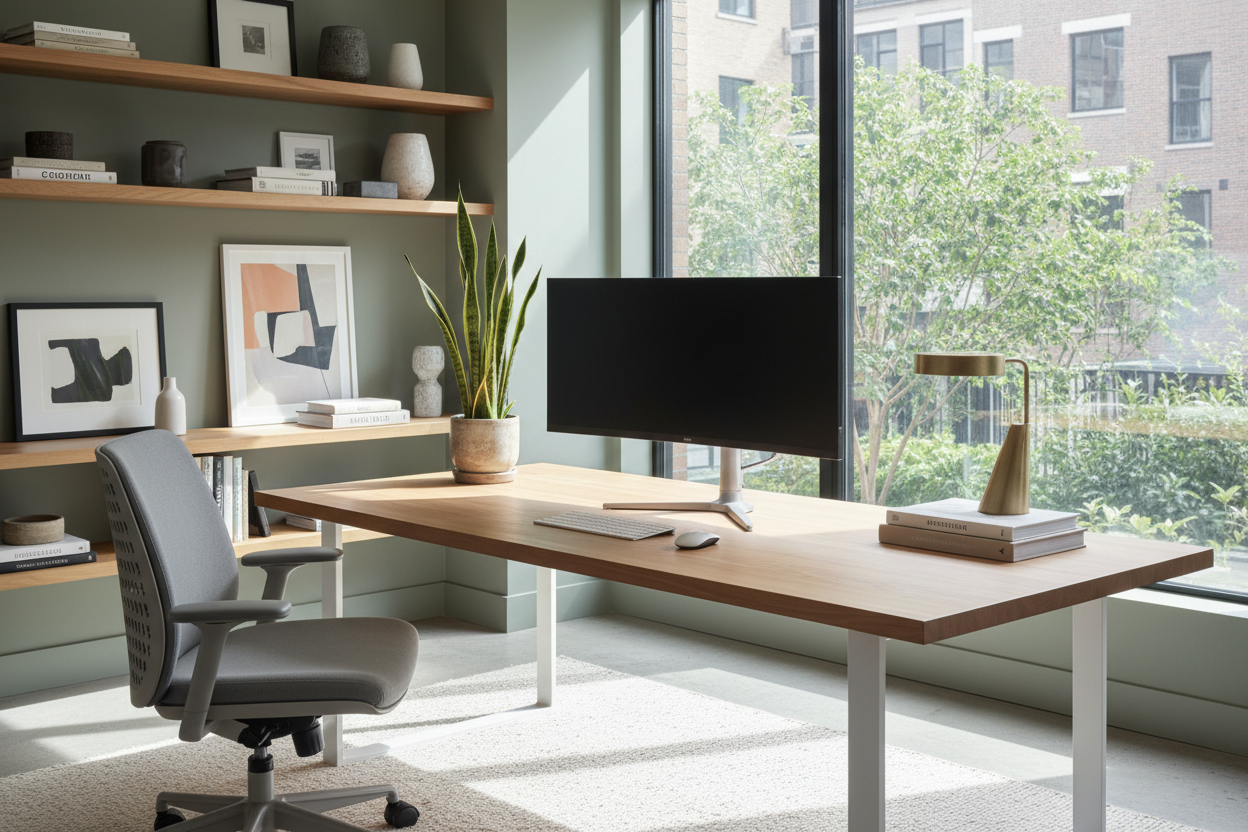
Consider the kitchen. Instead of upper cabinets on one wall, install two long, sturdy china cabinet shelves. Use them for everyday beautiful dishes, glassware, and cookbooks. In a living room, a low, wide shelf behind the sofa can display a collection of ceramic vases or art objects, adding depth. In a home office, it organizes books and supplies while showing off a few decorative pieces. Even in a bedroom, a slender shelf can hold perfume bottles, jewelry boxes, and a small stack of favorite books. The rule is simple: anywhere you need organized display or storage, a china shelf can likely do the job.
Maintaining and Protecting Your China Shelf Display
Dust is the enemy. A soft, microfiber duster is your best friend. For delicate items, remove them gently and wipe the shelf with a slightly damp cloth, then dry it immediately, especially if it's wood. Always respect the weight limit. A typical wooden shelf can hold 30-50 lbs, but glass shelves are often less. Distribute weight evenly.
Sunlight can fade delicate patterns and finishes over time. If your shelf is in a bright spot, consider using UV-filtering window film or rotating pieces occasionally. For households with children or pets, security is non-negotiable. Use museum putty (a non-damaging adhesive) under the base of precious items to prevent tipping. For a freestanding unit, secure it to the wall with a furniture strap, especially if it's tall and top-heavy.
FAQ
How deep should a china shelf be?
For standard dinner plates (10-11 inches), a shelf depth of 12-14 inches is ideal. This gives a slight lip at the front for safety and a clean look.
Can I use a china shelf in a bathroom?
I don't recommend it for valuable pieces due to humidity, which can damage wood and some ceramics. For a bathroom, opt for materials like treated metal or marine-grade plywood.
How do I style a shelf if my china doesn't all match?
Embrace the mix! Group by color or pattern instead. All white pieces together, or all floral patterns on one shelf. The eclecticism looks collected and personal.
What's the biggest mistake people make?
Overcrowding. Leave 20-30% of each shelf visually empty. It allows the eye to rest and makes each individual piece more significant.
From my experience furnishing over 200 homes, the honest downside of a china shelf is that it requires a bit more conscious styling and dusting than a closed cabinet. But the upside—the ability to integrate your treasures into your daily life, to add personality to any room, and to solve storage with style—makes it a solution I turn to again and again.

Leave a comment
This site is protected by hCaptcha and the hCaptcha Privacy Policy and Terms of Service apply.