

















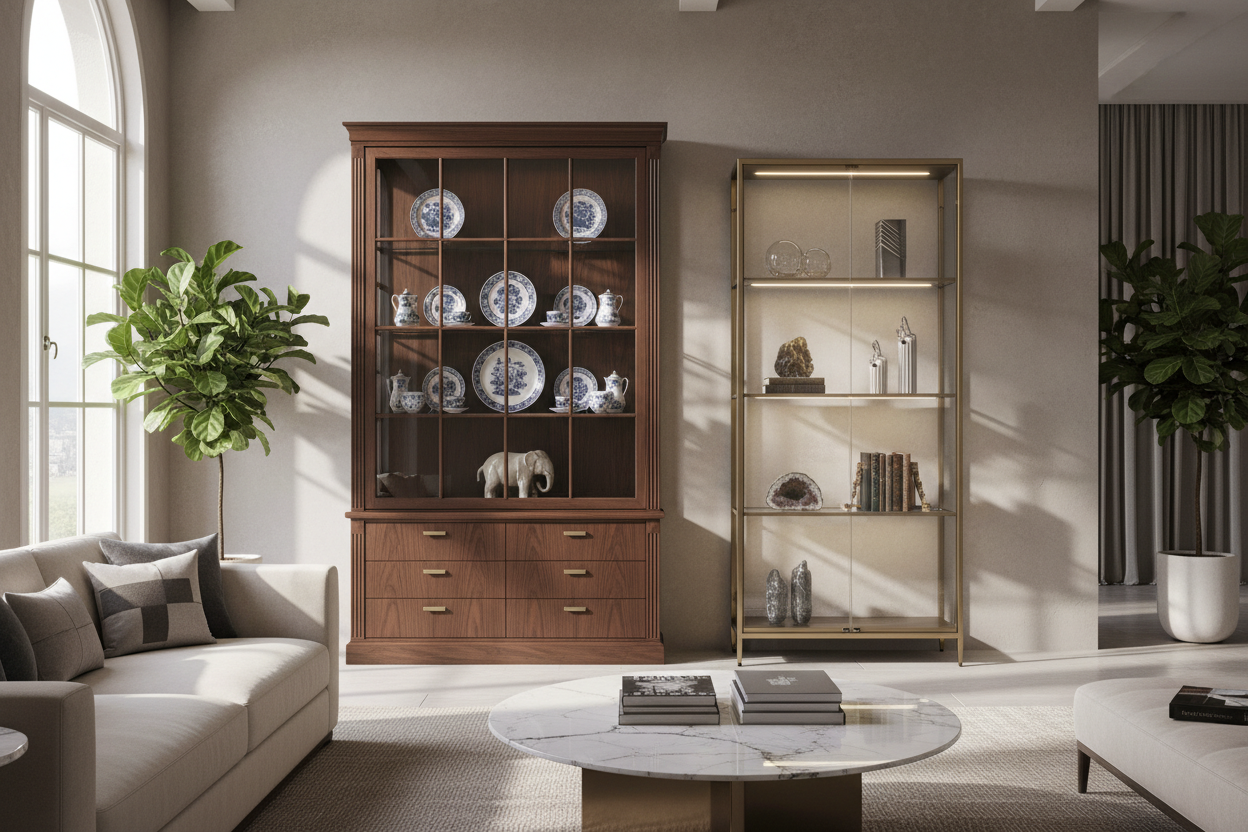
I remember walking into a client's new apartment last year. They had just moved in, and their dining room was a sea of boxes. One box was open, revealing a collection of vintage cameras and family heirlooms. 'I want to see these every day,' they told me, 'but I don't want them to get dusty or look cluttered.' That's the exact moment we started talking about china cabinets furniture—specifically, the difference between a curio hutch and a display case. If you're looking to showcase more than just your grandmother's porcelain, you're in the right place.
Quick Takeaways
- A curio hutch typically combines a lower cabinet with an upper glass display unit, while a display case is often a single, all-glass structure.
- Modern curio cabinets are designed for everything from sports memorabilia to books, not just fine china.
- Look for tempered glass doors, LED lighting strips, and adjustable shelving that can hold at least 15 lbs per shelf.
- You can place a curio cabinet almost anywhere—I've used them as room dividers in living rooms and focal points in home offices.
What Makes a Curio Hutch Different From Traditional China Cabinets
Let's start with the basics. When you think of a traditional china cabinet, you probably picture a piece with a solid wood lower section for storage and a glass-fronted top for display. A curio hutch follows a similar two-part structure, but the devil is in the details. The upper section of a curio hutch is almost entirely glass—sides, front, and sometimes even the top—to provide 360-degree visibility. Traditional china cabinets might have wood frames on the sides, limiting the view.
The lighting is different, too. While some china cabinets have a single light in the top, a quality curio hutch will have integrated LED strips along the front and back edges of each glass shelf. This eliminates shadows and makes every item pop. Shelving configurations are more flexible in a curio hutch. I look for models where the glass shelves are at least 1/4-inch thick and adjustable on 1-inch increments, so you can fit a tall ceramic vase or stack of small leather-bound books. For a deeper dive on the structural choices, my Hutch vs China Cabinet guide breaks it down further.
The Modern Curio Cabinet Hutch: Displaying More Than Just China
Here's where it gets fun. In probably 70% of the homes I've worked on in the last five years, the curio cabinet hutch isn't holding china at all. I've seen them used for collections of mineral specimens, vintage vinyl records, action figures still in their boxes, and even a client's prized sneaker collection. The key is that the piece becomes functional art—it protects your items while turning them into a curated display.
I helped a family in Toronto style a 72-inch wide curio hutch in their living room. The bottom cabinets stored board games and blankets, while the top displayed their son's robotics competition trophies and some art glass. It became a conversation starter, not just a piece of furniture. The shift is towards personalization. The glass doors keep dust off, and the interior lighting means your collection is always highlighted, day or night.
Key Features to Look For in Quality Curio Display Furniture
Not all curio cabinets are created equal. After furnishing over 200 homes, I've learned which features are worth the investment. First, glass quality. Doors should be tempered glass—it's safer and clearer than standard glass. Look for beveled edges, which add a touch of refinement and help the glass fit snugly in its frame to reduce dust infiltration.
Lighting is non-negotiable. Integrated LED lights are best; they run cool, use less energy, and last for years. Some models, like this LED-lit curio cabinet with drawers, even have dimmers and color temperature controls. Shelving adjustability is crucial. The pins that hold the shelves should be metal, not plastic, and the shelves themselves should feel sturdy. I test them by pressing down firmly in the center—there should be minimal flex.
Construction materials matter for longevity. A frame made of kiln-dried hardwood (like oak or maple) will resist warping far better than particleboard or MDF. For a modern, clean look that fits in smaller spaces, a piece like the tall white curio display case offers a streamlined profile without sacrificing display area.
Placing Your Curio Hutch: Beyond the Dining Room
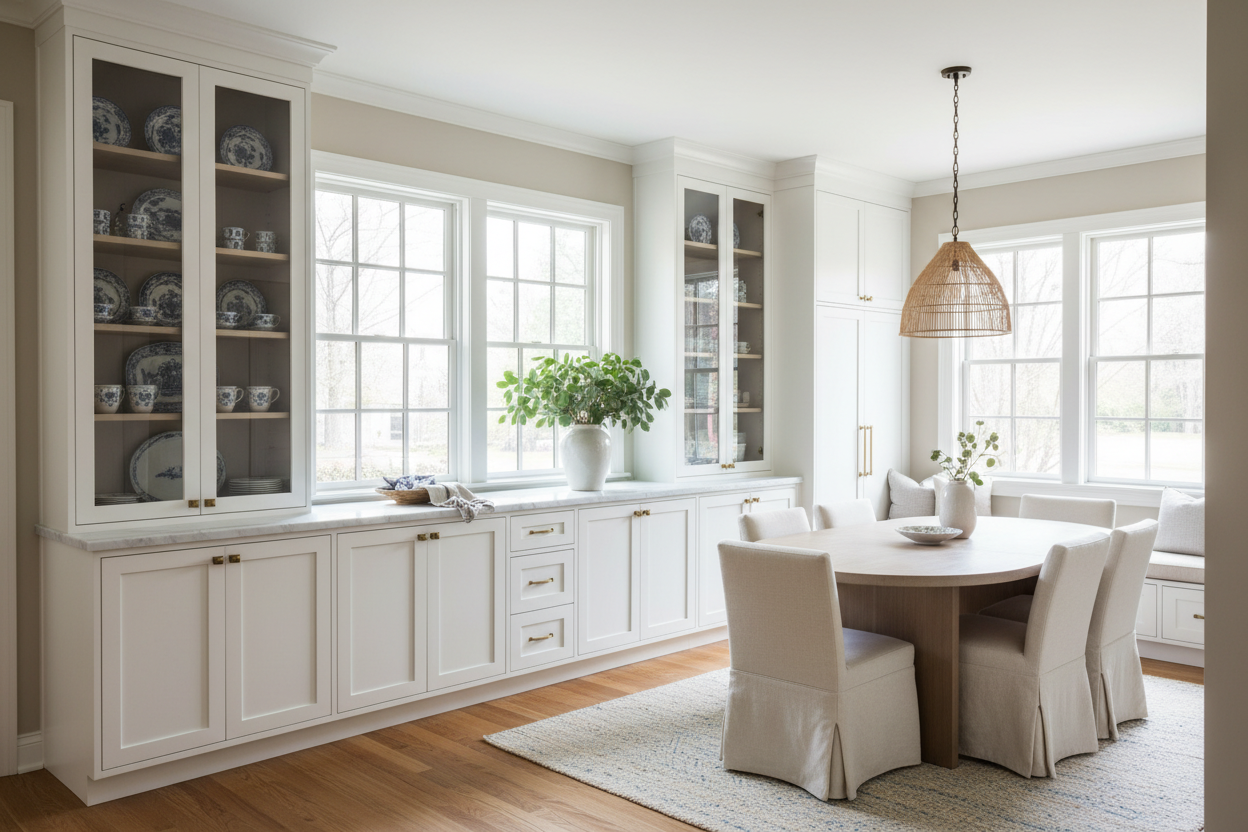
Your dining room is the classic spot, but it's far from the only option. I've placed curio hutches in so many creative locations. In a long, narrow living room, a 24-inch deep curio cabinet can act as a graceful room divider, defining a seating area without blocking light. In a home office, a narrower hutch (around 36 inches wide) can display professional awards, favorite books, and decorative objects right behind your desk.
Entryways are another great spot. A slim, tall cabinet here can welcome guests with a display of travel souvenirs or family photos. Just make sure you leave a clear walkway of at least 36 inches in front of it. Bedrooms can work, too—a curio hutch can store and display jewelry or a watch collection. If you find a vintage piece, don't be afraid to think outside the box. I once helped a client turn an old oak hutch into a unique bathroom linen cabinet, a process similar to repurposing vintage china hutches for new uses.
Styling Your Curio Cabinet Like a Designer
Arranging your cabinet is where your personality shines. My number one rule: don't overcrowd the shelves. Leave some negative space around objects so each piece can breathe. I often use the 'rule of threes'—grouping items in odd numbers is more visually appealing. Vary the heights. Place a tall item, like a vase, next to a medium-sized stack of books and a small figurine.
Use the lighting strategically. If your cabinet has lights at the top and bottom, place lighter-colored or translucent items (like crystal or white ceramic) on the higher and lower shelves to catch and reflect the light through the center. For a collected-over-time look, mix materials: combine wood, metal, glass, and ceramic items on the same shelf. Remember to dust the interior glass every few weeks with a microfiber cloth to keep the view crystal clear.
Personal Experience & Honest Downsides
In my own home, I have a cherry wood curio hutch in my study. I love it for displaying my collection of mid-century modern pottery. The downside? The glass doors require regular cleaning, both inside and out, to look their best. Fingerprints show up easily. Also, if the lighting isn't LED, the bulbs can generate heat, which isn't ideal for certain sensitive collectibles like wax seals or some plastics. It's a trade-off for the beautiful display.
Frequently Asked Questions
How much weight can the glass shelves in a curio cabinet hold?
It varies by model, but a well-made shelf of 1/4-inch tempered glass in a standard 36-inch wide cabinet should safely hold 15 to 20 pounds when properly supported by metal pins. Always check the manufacturer's specifications for your specific unit.
Can I put a curio cabinet on carpet?
Yes, but for stability, especially on plush carpet, I recommend using a furniture leveling mat or a thin, solid board underneath the cabinet's base. This prevents any wobble and ensures the doors hang and close correctly.
What's the best way to clean the interior of a glass curio cabinet?
Unplug it first if it has lighting. Use a soft, lint-free microfiber cloth slightly dampened with a mix of distilled water and a drop of mild dish soap. Avoid spray cleaners directly on the glass inside, as the overspray can damage wood finishes or electrical components.
Are curio cabinets child-safe?
They can be, with precautions. Ensure the cabinet is securely anchored to the wall with the provided hardware. You can also add childproof locks to the doors. Avoid placing very heavy or sharp objects on the lower shelves where little hands might reach.


Leave a comment
This site is protected by hCaptcha and the hCaptcha Privacy Policy and Terms of Service apply.