


















I remember walking into a client's dining room last year—they'd just moved into a 1920s Colonial and inherited their grandmother's massive oak hutch. It was beautiful, but it dominated their 10x12 dining space, leaving only 24 inches of clearance around the table. They loved it, but they couldn't actually use the room. That's when I realized most people choose china cabinet styles based on what holds their dishes, not how they live in their home.
Quick Takeaways
- Your cabinet's scale matters more than its style—measure your room's traffic flow first.
- Glass door thickness (1/4-inch vs. 3/8-inch) affects both display clarity and safety.
- Contemporary cabinets often use LED strip lighting (3000K warm white is ideal), while traditional styles rely on internal fixtures.
- Solid wood frames (like kiln-dried maple) last decades; engineered wood with veneer suits tighter budgets.
- Consider adjustable shelving—standard 12-inch depth fits dinner plates, but 14-inch gives flexibility for platters.
Why Your China Cabinet Style Matters More Than You Think
When you're standing in a furniture showroom, it's easy to focus on whether your wedding china fits behind those glass doors. But after furnishing over 200 homes, I've learned that styles of china cabinets impact your daily life in three subtle ways. First, room flow: a 72-inch wide traditional hutch needs at least 36 inches of walkway clearance to feel comfortable, while a slimmer 48-inch modern curio can tuck into a dining nook. Second, functionality: glass-front cabinets show dust instantly (I recommend quarterly cleaning with a microfiber cloth and vinegar solution), while solid wood doors hide clutter but can make a small room feel heavier. Third, personal expression: your cabinet tells a story. Are you displaying heirloom porcelain or using it for barware and cookbooks? I once helped a young family choose a rustic farmhouse cabinet with mixed open and closed storage—they use it for their everyday dishes on the lower shelves and their toddler's art projects in the glass display above.
The 5 Core China Cabinet Styles Designers Actually Use
Let's move beyond catalog categories. These are the five different types of china cabinets I specify repeatedly for clients, based on how people actually live.
Traditional Hutch: Think raised panel doors, crown molding, and turned legs. Typically made from solid cherry or mahogany with a hand-rubbed finish. These work best in formal dining rooms with 9-foot ceilings or higher—the proportions feel right. I recently placed one in a Georgian-style home where it anchored the entire space.
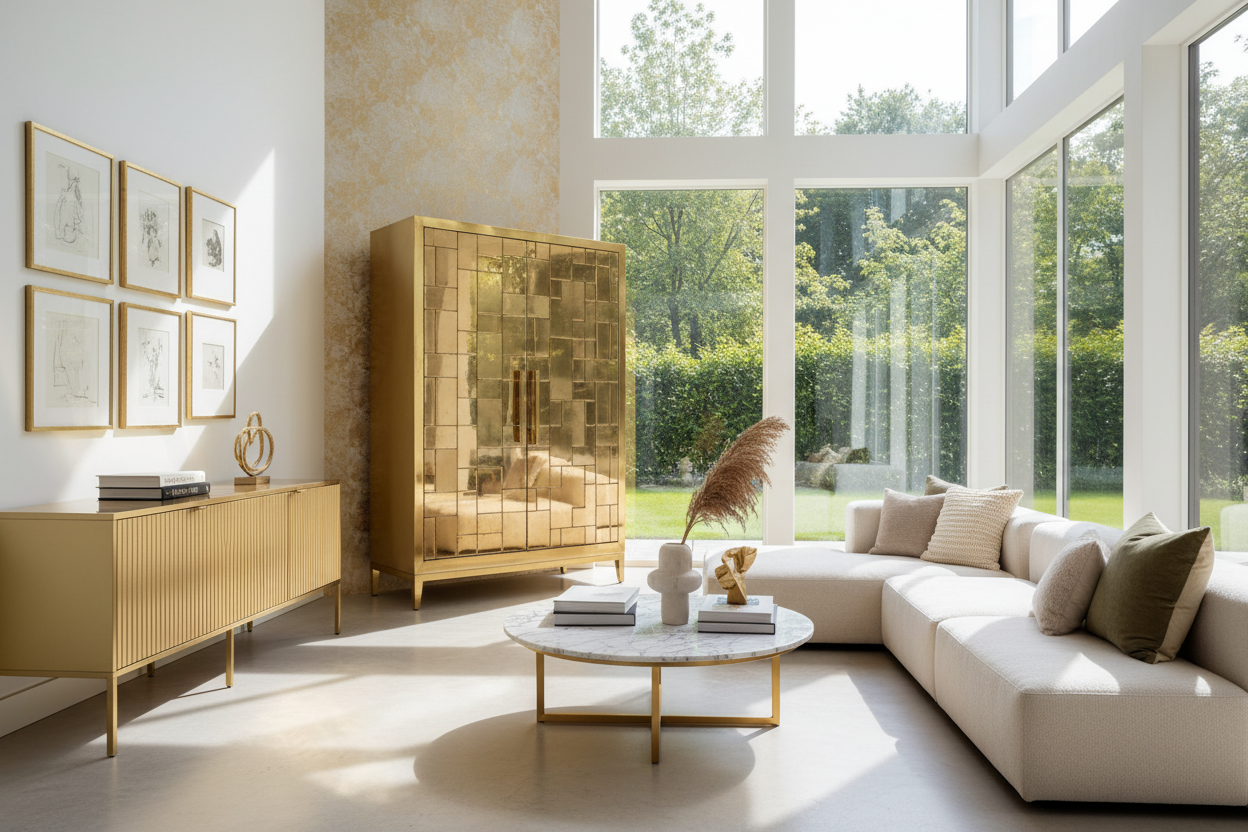
Modern Curio: Clean lines, often with metal accents and tempered glass shelves. Materials shift to walnut veneers or lacquered MDF. What makes it modern? Integrated LED lighting (look for 2700-3000K temperature for warmth) and often a floating appearance. For those drawn to this look, I always suggest exploring Elegant Modern China Cabinets to see how lighting and material choices define the style.
Transitional Display: This is the workhorse. It blends traditional shapes (like a framed door) with simpler hardware and lighter finishes. Often in oak or maple with a satin finish. I use these in open-concept spaces where the dining area flows into the living room—it bridges styles without dominating.
Rustic Farmhouse: Reclaimed wood, visible joinery, and often a distressed finish. The key here is scale: many are intentionally bulky, so ensure your room can handle the visual weight. I specify these for casual eat-in kitchens or homes with wide-plank floors.
Minimalist Console: Low-profile, often under 30 inches tall, with slim metal legs and perhaps a single glass door. Storage is secondary to display. Perfect for apartments or dining rooms that double as home offices.
How to Match Cabinet Style to Your Home's Architecture
Your home's bones should guide your choice. Here's my practical pairing guide.
Craftsman Bungalow: Go for a traditional hutch in quarter-sawn oak with simple, straight lines. Avoid ornate Victorian details—they'll clash with the home's honest craftsmanship.
Colonial: This is where a traditional hutch shines. Look for pieces with pediment tops and brass hardware. Place it on the longest wall in your dining room.
Mid-Century Modern: A modern curio cabinet with teak or rosewood veneers works beautifully. Focus on horizontal lines and tapered legs. I often use them to separate a dining area from a living space in these open floor plans.
Open Concept Contemporary: Here, scale is everything. A low, minimalist console (around 60 inches wide) can define the dining zone without blocking sightlines. I recently used one as a room divider in a loft.
Urban Loft: Industrial materials meet display. Think a transitional cabinet with metal frame and glass panels. It provides storage without fighting the raw brick or concrete walls.
The Designer's Checklist: What to Evaluate Beyond Style
Once you've narrowed the style, here's what I inspect on every site visit or client purchase.
Scale & Proportion: Measure your wall and tape it out on the floor. A common mistake is choosing a cabinet that's too narrow for the wall, leaving awkward gaps. For example, a substantial piece like the 74" China Cabinet needs a wall at least 90 inches wide to breathe. The cabinet depth matters too—standard is 16 inches, but 18 inches gives more storage for large platters.
Lighting Integration: Built-in lights aren't just decorative. They prevent shadows on your display. Look for cabinets with LED strips (not single puck lights) and a dimmer switch. For modern pieces, the guide on How to Choose a Modern China Cabinet covers lighting specifics well.
Glass vs. Solid Doors: Glass (usually 1/4-inch thick) shows your items but requires curation. Solid doors (often 3/4-inch wood) hide clutter. I often mix them—glass up top for display, solid below for storage.
Storage Flexibility: Adjustable shelves are non-negotiable for me. Fixed shelves limit you to one type of item. Check the shelf weight capacity—some only hold 15 lbs, while others handle 25 lbs or more.
Finish Durability: In a dining room, finishes face humidity from meals and occasional splashes. A catalyzed lacquer or polyurethane topcoat will last longer than an oil-rubbed finish near a dining table.
Making Your Choice: When to Go Traditional vs. Contemporary
Here's my simple framework from hundreds of client conversations.
Choose Traditional If: You have heirloom pieces (like full dinnerware sets) you display year-round. Your dining room is primarily for formal meals. You're willing to dust glass doors regularly. You value furniture as a long-term investment—a solid wood traditional cabinet can last generations.
Choose Contemporary If: Your collection is eclectic (mix of ceramics, glassware, books). The space serves multiple functions (dining, homework, entertaining). You prefer low-maintenance surfaces. You like to change your decor more frequently. A piece like the White Curio Cabinet offers that clean, adaptable backdrop.
My personal rule? If you entertain casually more than formally, lean contemporary. The clean lines and integrated lighting adapt to your life.
Frequently Asked Questions
How much space should I leave around a china cabinet? At minimum, 30 inches of clearance from the table edge for chair movement. If it's against a wall, 2-3 inches from the wall prevents scuffing and allows for outlet access.
Can I use a china cabinet in a room other than the dining room? Absolutely. I've placed them in living rooms as bookcases, in entryways for storage, and even in bedrooms. Just ensure the style complements the room's primary function.
What's the biggest mistake you see people make? Choosing based on online photos without measuring their space. A cabinet that looks proportionate in a styled shot can overwhelm a standard 10x12 dining room. Always check the dimensions against your floor plan.
How do I light a china cabinet without built-in lights? Use battery-operated LED puck lights (they last about 100 hours) or a slim LED strip attached to the top interior frame. Stick to warm white (2700K-3000K) to avoid a clinical look.


Leave a comment
This site is protected by hCaptcha and the hCaptcha Privacy Policy and Terms of Service apply.