

















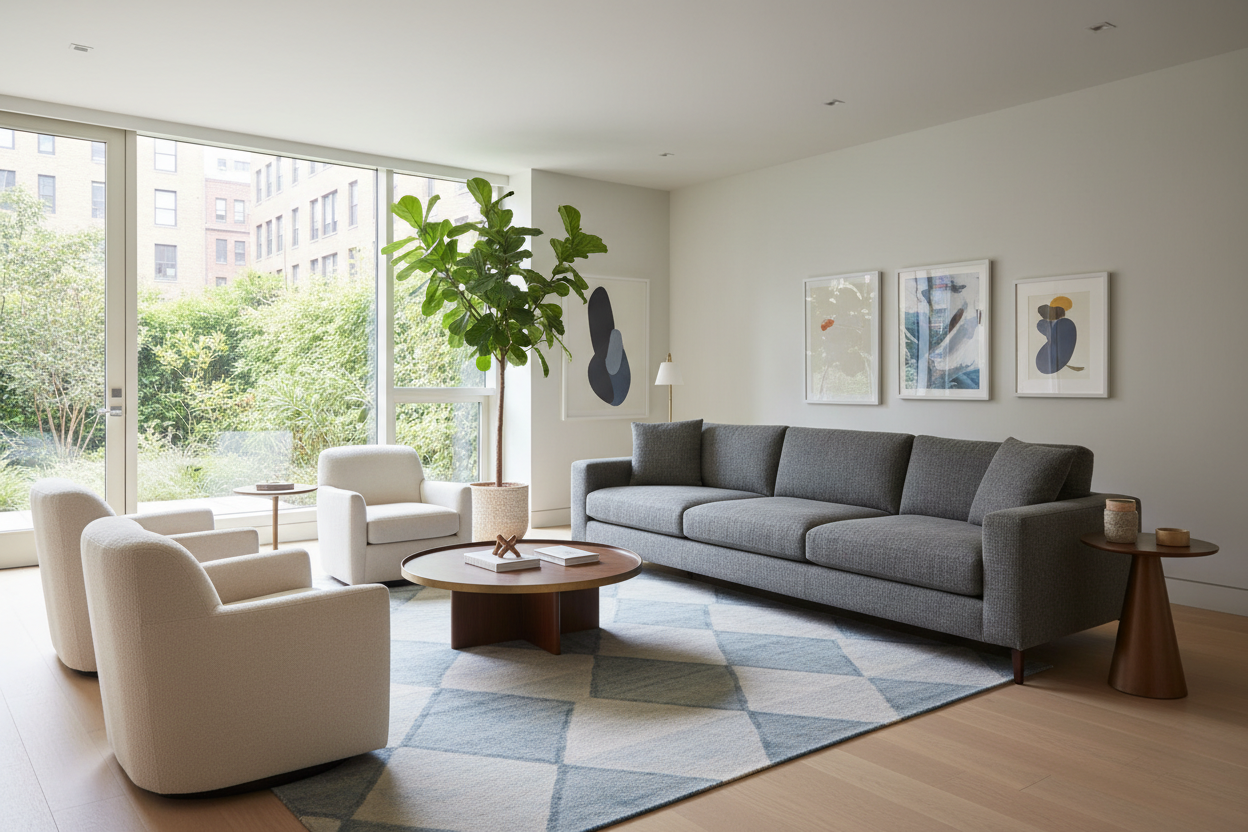
Selecting the primary seating element is often the most anxiety-inducing decision for my clients. It anchors the room, dictates the traffic flow, and usually consumes the largest portion of the furniture budget. The dilemma often lies in scale: choosing a piece that offers generous seating without overwhelming the room's footprint. This is where sofas 3 seater configurations usually offer the perfect equilibrium between functionality and spatial economy.
Quick Decision Guide: What Matters Most
- Frame Construction: Look for kiln-dried hardwood frames (maple or oak) rather than particle board or soft pine to prevent warping.
- Suspension System: 8-way hand-tied springs offer the gold standard for longevity, while sinuous springs provide a firm, cost-effective alternative.
- Seat Depth: Standard depth is 21-24 inches. If you prefer lounging or are taller, look for deep-seat options (25+ inches).
- Fabric Durability: Check the Martindale rub count. For family homes, aim for 25,000+ rubs; for formal spaces, 15,000 may suffice.
Mastering Scale and Proportion
The most frequent error I see in residential projects is ignoring the "visual weight" of the furniture. A 3 seater contemporary sofa with sleek, metal legs and a low profile will feel significantly smaller in a room than a skirted, rolled-arm sofa of the exact same dimensions. When space planning, do not just measure the length and width; consider the silhouette.
If you are placing the piece in the center of an open-plan room, ensure it looks finished from every angle. This is sometimes referred to as a 3 side sofa check—ensuring the back and sides are as aesthetically pleasing as the front, as they will be visible as you move through the space.
Material Selection and Tactile Experience
Fabric vs. Leather
While leather ages beautifully, developing a unique patina, high-performance fabrics have revolutionized interior design. If you are browsing a 3 seater couch sale, look beyond the color. Ask for performance velvets or crypton fabrics that resist staining. The tactile experience dictates comfort; a scratchy weave will ruin the relaxation experience regardless of how good the piece looks.
Cushion Fill
This is where maintenance comes in. 100% down feathers are luxurious but require daily fluffing to avoid looking sloppy. High-density foam wrapped in a down blend offers the best of both worlds: structure and softness. When looking at 3 seater couches for sale, unzip the casing if possible to inspect the ticking—it should be thick enough to prevent feathers from poking through.
Navigating the Market: Value vs. Cost
There is a distinct difference between price and value. You might find inexpensive 3 seater settees for sale, but if the frame is stapled rather than dowelled and glued, the piece will likely squeak and wobble within two years. A settee generally has a lighter frame and upright posture compared to a deep sofa, making it ideal for formal sitting rooms but perhaps less suited for a media room marathon.
Lessons from My Own Projects
I once specified a stunning, deep-seated velvet sofa for a client in a historic walk-up apartment. On paper, the dimensions fit the living room perfectly. However, I made a rookie mistake: I measured the room, but I didn't account for the tight turn in the hallway leading to the room.
We had to remove the door frame, and even then, the legs scraped the plaster. It was a nightmare that required touch-up painting and a very apologetic conversation. Since then, I always tell clients: if you are buying a 3 seater contemporary sofa with a single long bench cushion, check if the legs are removable and measure your elevator, stairwell width, and hallway turns. Also, note that lighter fabrics show "denim transfer" (blue stains from jeans) incredibly fast. I now only recommend light linen for households that are strictly "no shoes, no outside clothes" on the furniture, or for those who accept the lived-in look.
Conclusion
Investing in the right sofa is about balancing architectural constraints with human comfort. Whether you opt for streamlined 3 seater settees or a plush, overstuffed couch, prioritize the frame integrity and fabric performance. Your living room is a sanctuary; choose a piece that invites you to stay.
Frequently Asked Questions
What is the standard length of a 3 seater sofa?
While sizes vary by style, a standard 3 seater typically ranges from 84 inches to 96 inches (213 cm to 244 cm) in length. Always allow for at least 18 inches of clearance on either side for side tables or traffic flow.
What is the difference between a couch and a settee?
A couch or sofa is designed for lounging and typically seats three or more people with deep cushioning. A settee is often narrower, has a more upright back, sits higher off the ground, and is designed for two to three people to sit formally.
How do I know if a sofa will fit through my door?
Measure the diagonal depth of the sofa. If the sofa can be tilted on its side, this diagonal measurement must be less than the width of your doorway. Also, check if the legs can be unscrewed to gain an extra 3-5 inches of clearance.

Leave a comment
This site is protected by hCaptcha and the hCaptcha Privacy Policy and Terms of Service apply.