






We have all been there: it is Friday evening, and your dining table is still covered in laptops, chargers, and sticky notes. When your workspace bleeds into your living area, the entire house feels chaotic and cluttered. If you lack a dedicated spare room, a mobile office solution is the smartest way to reclaim your floor plan. By creating a flexible, stowable workspace, you can easily transition from professional mode to relaxation mode at the end of the day. Here is exactly what you need to know to build a setup that works hard but stays out of sight when company comes over.
Quick Decision Guide
- Prioritize closed storage: The best mobile office setup relies on concealed compartments to hide screens, cables, and paperwork from plain view.
- Mind the casters: Choose high-quality rubber wheels to protect your hardwood floors and ensure smooth movement from room to room.
- Focus on ergonomics: A portable home office setup still requires an appropriate surface height that supports your posture—do not compromise your spine for aesthetics.
- Keep it curated: Only stock daily mobile office essentials to prevent your rolling cart or folding desk from becoming a messy junk drawer.
Space Planning: Sizing Your Portable Workspace
The Footprint Factor
When designing a flexible workspace, the physical footprint is everything. In typical North American open-concept homes or smaller apartments, you want a piece that can tuck into a closet, slide under a staircase, or sit flush against a hallway wall. Measure your designated 'parking spot' before purchasing any mobile office products. I always recommend leaving at least 36 inches of clearance around the piece when it is deployed for work, ensuring you are not blocking major traffic flows to the kitchen or bathroom.
Managing Visual Weight
A common mistake is buying a heavy, dark wood rolling desk for a compact room. If your portable office on the go needs to sit in the corner of your living room, opt for lighter finishes like white oak, clear acrylic, or powder-coated steel. This reduces the visual weight of the furniture, allowing the room to feel spacious and uncluttered.
Selecting the Right Mobile Office Equipment
Balancing Comfort and Portability
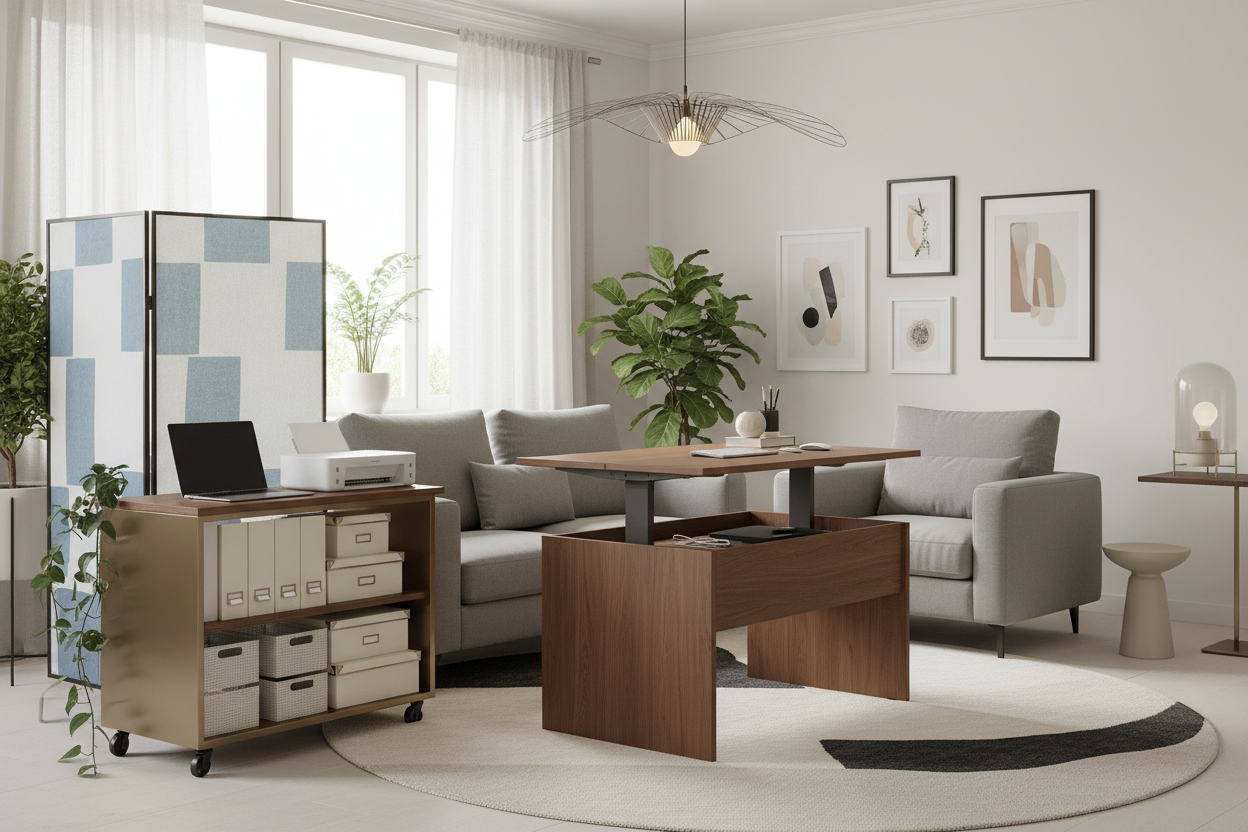
Portability should never mean sacrificing physical comfort. When sourcing mobile office equipment, look for adjustable height mechanisms. A compact standing desk converter on a rolling cart is a brilliant workaround for long hours. Pair this with a dining chair that offers proper lumbar support, or a slimline ergonomic stool that tucks completely out of the way when the workday ends.
Organizing Your Gear
Cable management is the Achilles heel of even the best mobile office. Use velcro ties and dedicated tech pouches to wrangle your mobile office accessories. Keeping your mobile office supplies neatly organized in modular trays ensures that when you roll the desk away, nothing spills, tangles, or gets lost in transit.
Designer's Honest Take: Lessons from My Own Projects
A few years ago, I designed a 650-square-foot condo in Toronto for a client who worked entirely from home. We tried a popular, highly rated mobile office kit—essentially a folding industrial desk with attached shelving on wheels. It looked incredibly utilitarian and completely clashed with her soft, transitional decor. I learned the hard way that just because a piece is highly functional does not mean it belongs in a cozy living room.
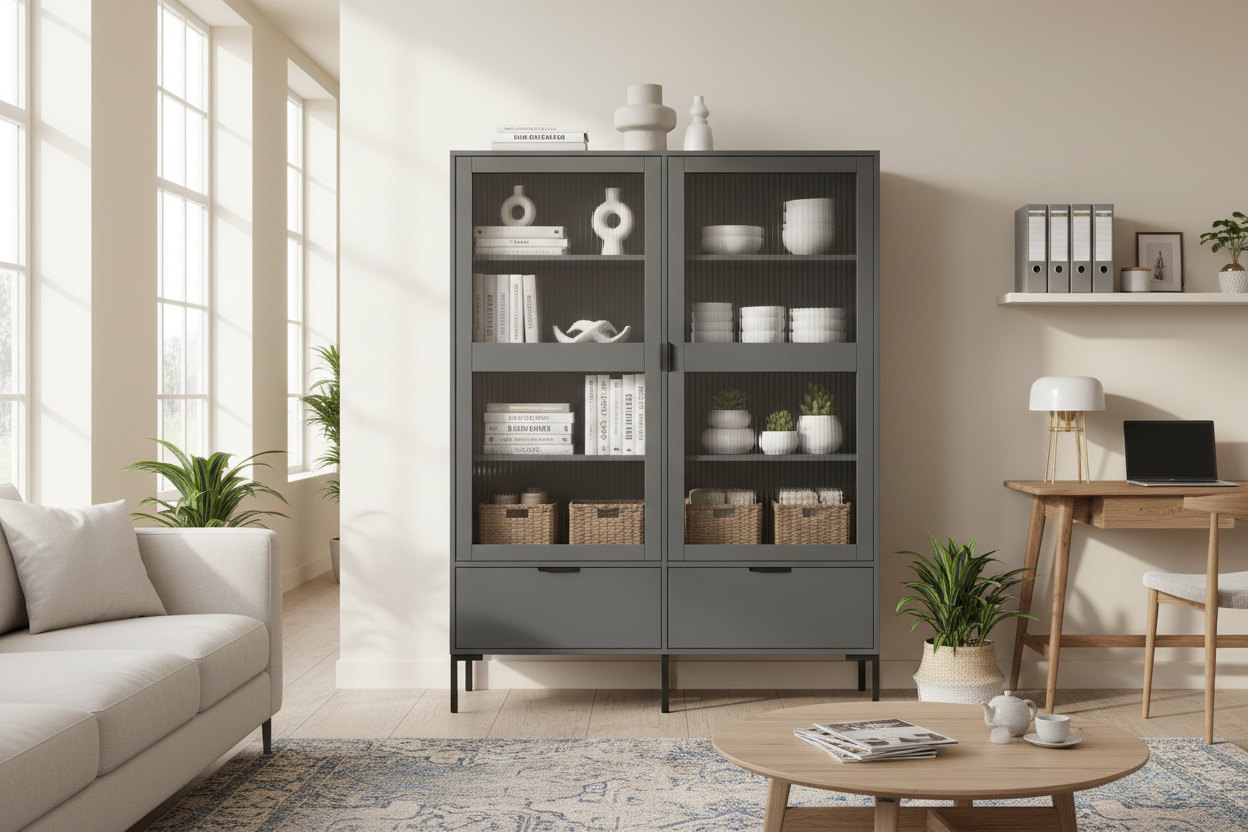
We ended up swapping it for a custom rolling credenza with fluted wood doors. It hid her monitors perfectly and looked like a high-end console table. However, I will be honest about the downside: packing up a dual-monitor setup into a credenza every single evening takes about five minutes of deliberate effort. It requires daily discipline. If you are someone who likes to leave your laptop exactly where you finished working, a heavily concealed mobile setup will likely frustrate you.
Frequently Asked Questions
What are the absolute mobile office essentials?
Keep your inventory minimal. A reliable laptop stand, a compact wireless keyboard and mouse, noise-canceling headphones, and a single-cord power strip are crucial. The goal is to minimize physical clutter while maintaining high productivity.
How do I hide a mobile setup in a small living room?
Look for pieces that mimic traditional residential furniture. A rolling cart styled like a bar cart, or a folding desk that collapses into a slim console table profile, allows your workspace to blend seamlessly into your existing layout without screaming 'corporate cubicle.'
Where can I buy reliable storage for my setup?
Skip the generic big-box plastic bins. Look to commercial office suppliers for durable organizers, or shop specialized home decor retailers that offer aesthetic storage boxes wrapped in linen, leather, or woven rattan to house your daily supplies.

Leave a comment
This site is protected by hCaptcha and the hCaptcha Privacy Policy and Terms of Service apply.