
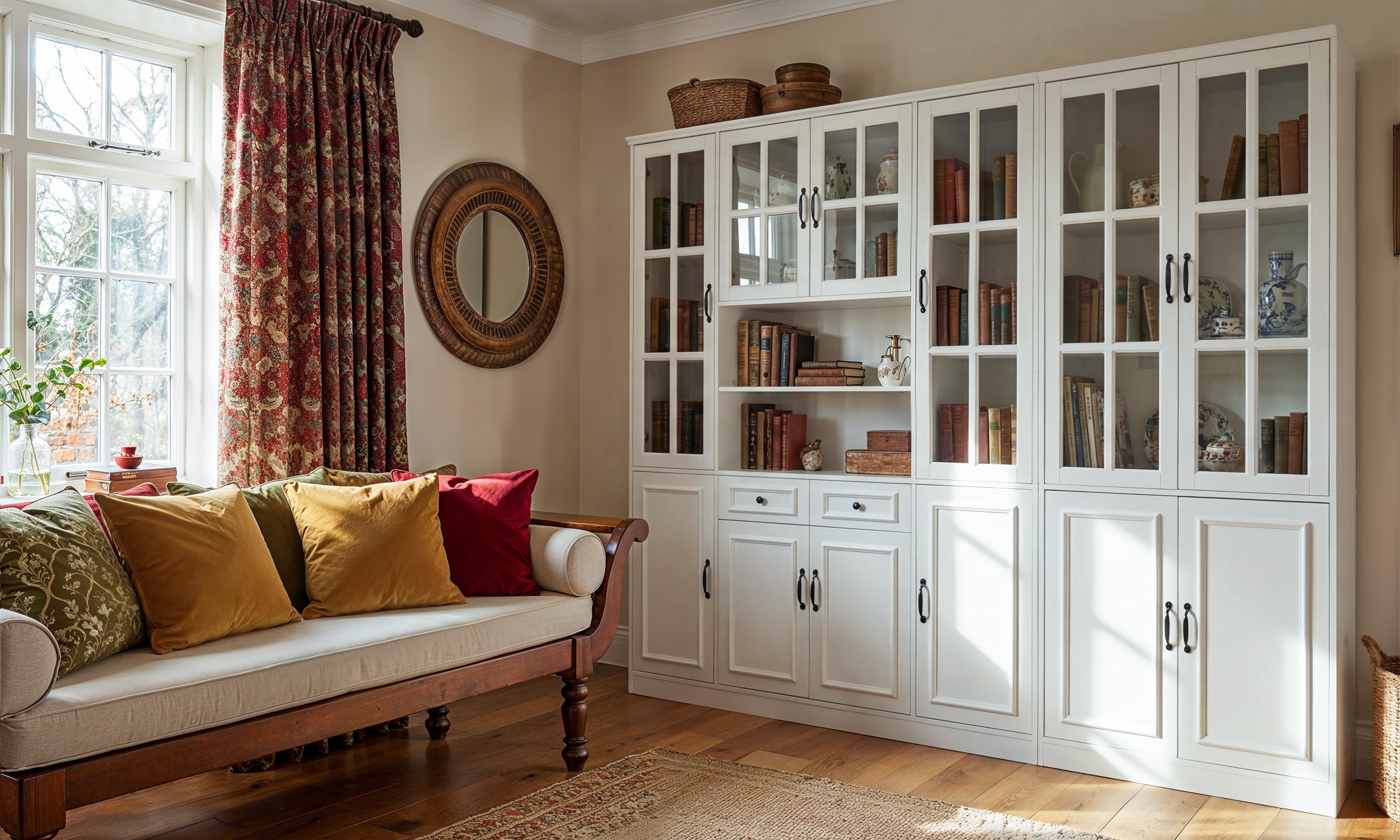




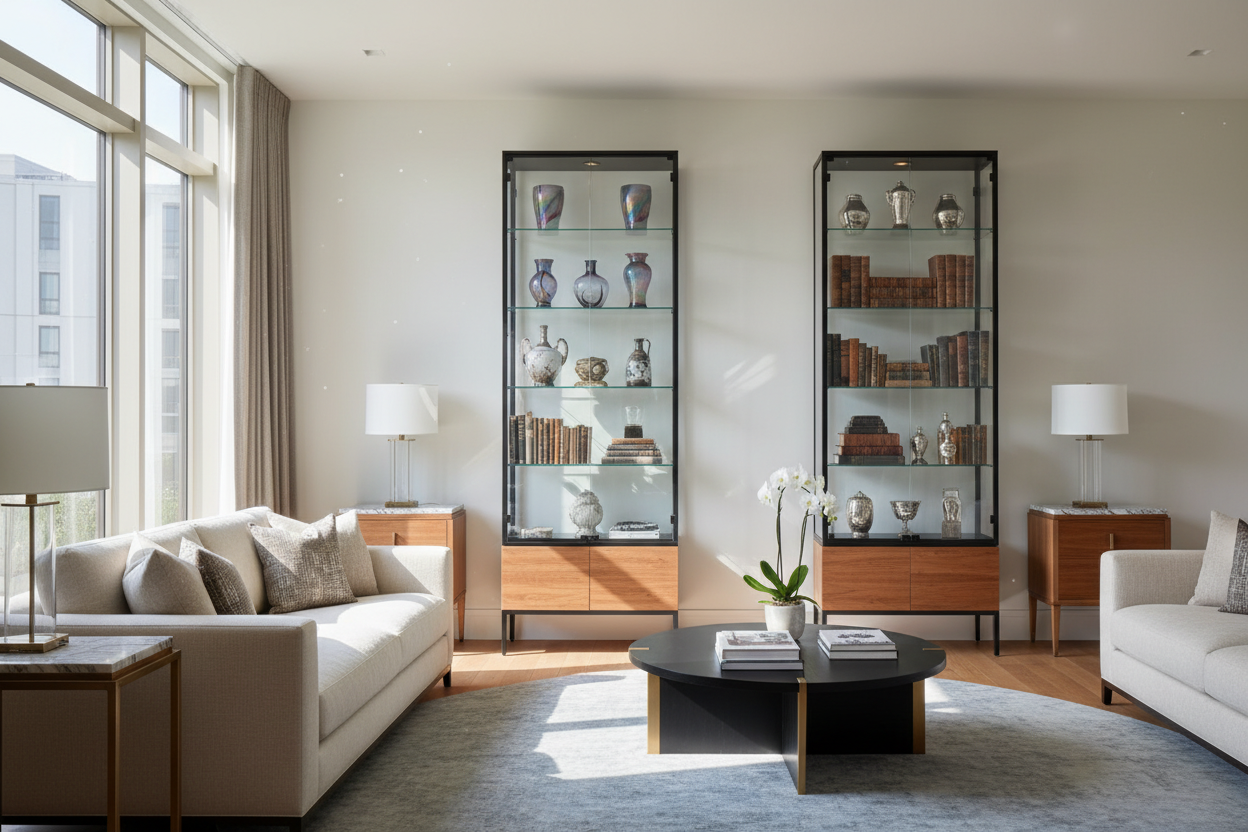
We all have those pieces—heirloom ceramics, beloved travel souvenirs, or a curated book collection—that end up crammed on a dusty open shelf. You want to show them off, but poorly designed furniture can quickly turn a curated collection into a cluttered eyesore. When searching for the best display cabinets, it is easy to get distracted by aesthetic showroom lighting and ignore how the piece will actually function in your living room.
By the end of this guide, you will know exactly how to evaluate build quality, assess visual weight, and choose a piece that protects your valuables while anchoring your room's design.
Quick Decision Guide
- Check the glass: Always insist on tempered glass. It resists shattering and handles the minor bumps of daily living safely.
- Mind the dust seal: If you hate dusting, look for cabinets with felt-lined door edges or overlapping glass panes to block air gaps.
- Consider visual weight: Dark, solid wood cabinets anchor large rooms, while metal frames with glass sides keep small spaces feeling airy.
- Verify shelving strength: Adjustable shelves are great, but ensure the pegs are metal, not plastic, if you plan to display heavy books or ceramics.
Material & Build Quality: Beyond the Surface
Tempered Glass and Frame Construction
When clients ask me to source the best glass display cabinet for their home, my first concern is always structural integrity. A cabinet holding fragile items needs a rock-solid foundation. Engineered wood with a high-quality veneer can work beautifully, but the joinery must be tight. If you gently push the side of a floor model and it shimmies, walk away.
The glass itself is equally crucial. Standard annealed glass is a hazard in a busy household. Tempered glass is non-negotiable for doors and shelves because of its strength and safety. Additionally, check the hinges. Soft-close, concealed metal hinges prevent the doors from slamming and rattling your delicate items.
Space Planning: Getting the Scale Right
Visual Weight and Room Layout
A common mistake I see in North American homes is buying a display cabinet that is too deep. Unlike a dresser or a media console, a display cabinet rarely needs to be deeper than 14 to 16 inches. Anything deeper creates dark shadows in the back and takes up unnecessary floor space.
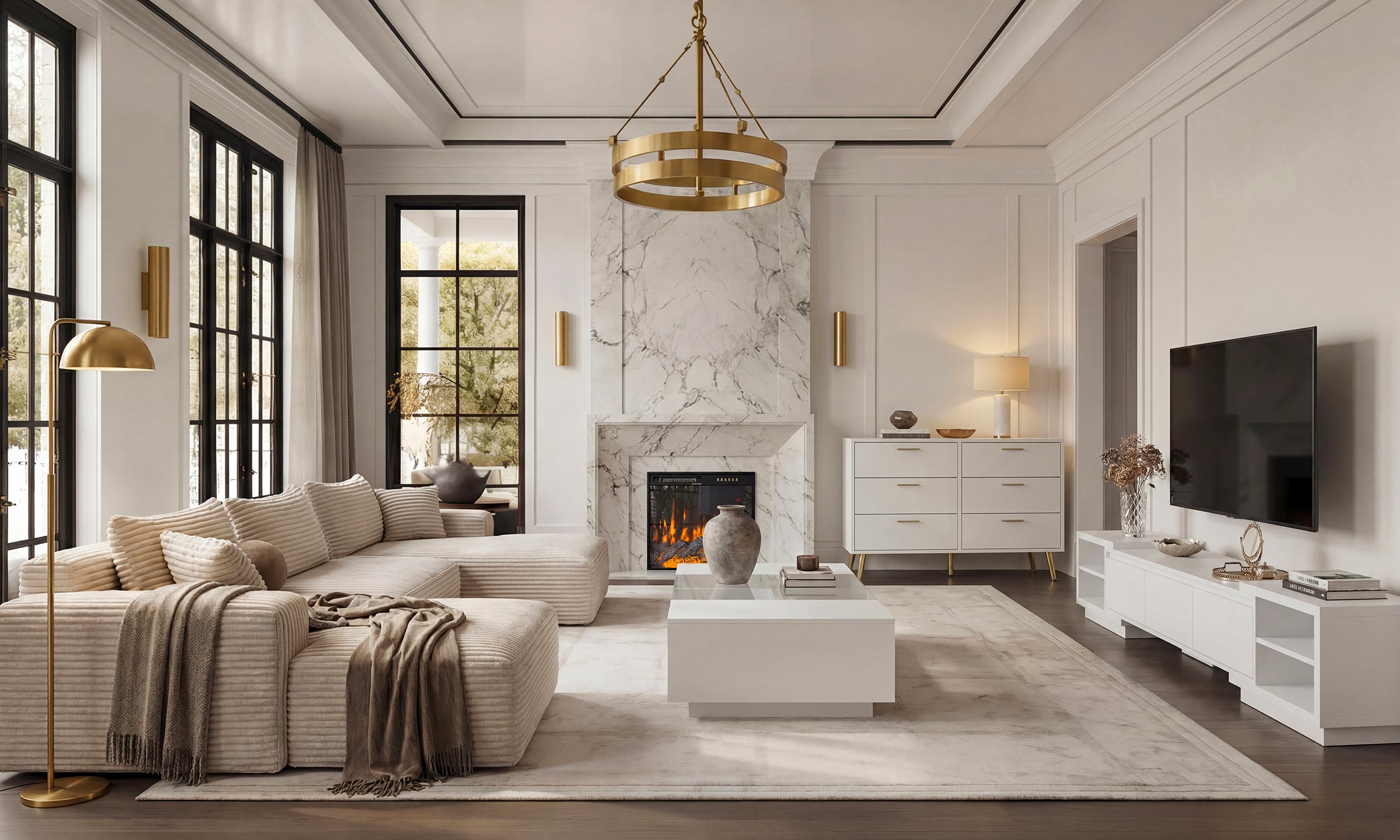
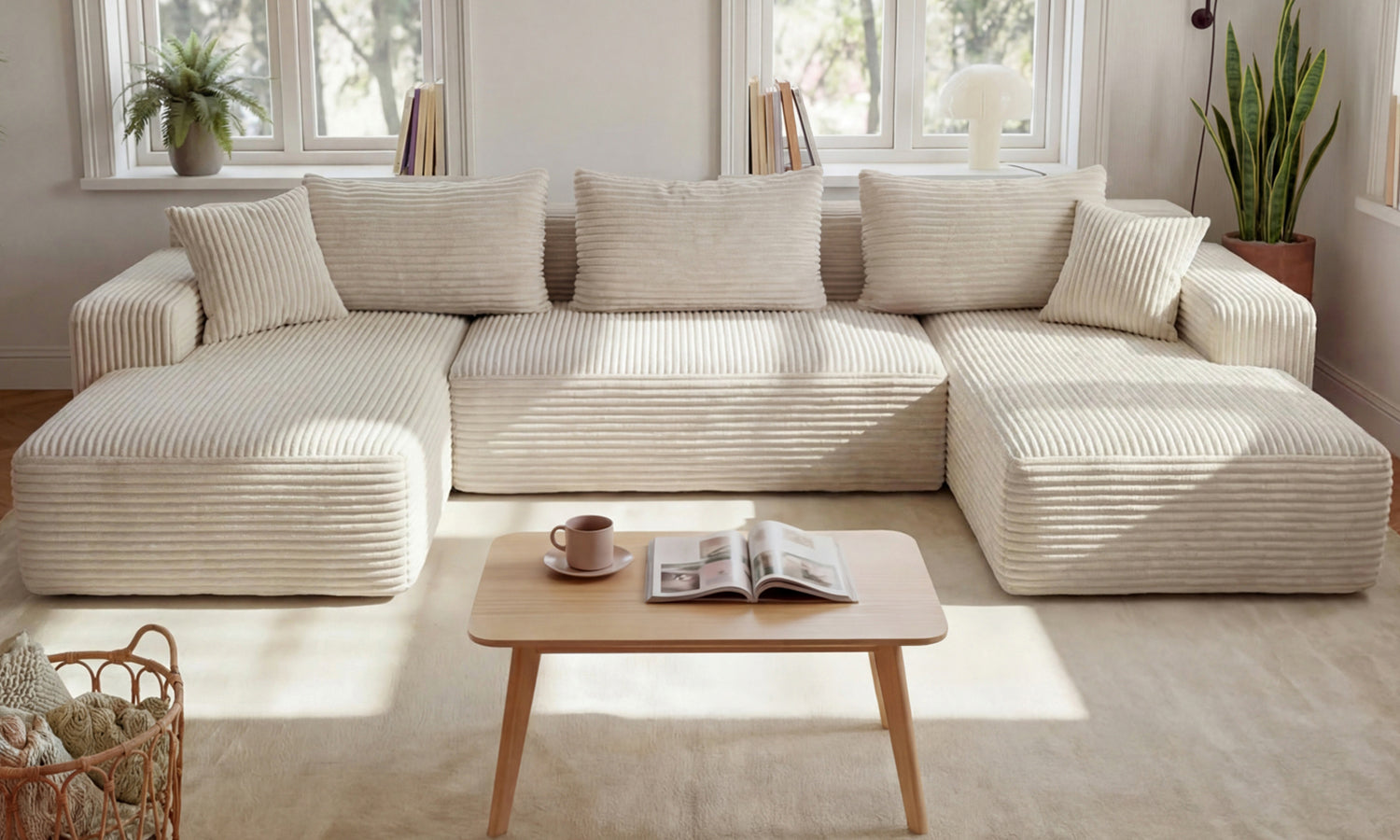
Pay attention to visual weight. If your living room already features a bulky sectional sofa and a solid wood coffee table, adding a heavy, enclosed oak cabinet will make the room feel oppressive. Instead, opt for a tall, slender iron-framed cabinet with glass on three sides to introduce negative space and let light pass through.
Style & Coordination: Curating Your Collection
Lighting and Background Contrast
A display cabinet is essentially a frame for your belongings. To make those items pop, consider the interior color. A dark, moody interior—like matte black or deep navy—creates stunning contrast for light-colored ceramics or silver pieces. Conversely, a light oak or painted white interior keeps a room feeling casual and coastal.
Integrated lighting makes a massive difference. If a cabinet does not come with built-in LED puck lights or strip lighting, ensure there is a discreet way to route cords through the back panel. Lighting from the top down highlights textures, but glass shelves are necessary to allow that light to reach the bottom tiers.
Designer's Honest Take
A few years ago, I specified a gorgeous, matte-black arched metal cabinet for a client's dining room. It looked incredible in the architectural renderings and photographed like a dream. But after six months, the client called me with a frustrating reality: the beautiful double doors had a tiny quarter-inch gap down the center where they met.
Because the cabinet was placed near a high-traffic hallway, that tiny gap acted like a vacuum for household dust. My client was wiping down her antique glassware every two weeks. It was a hard lesson in the realities of daily maintenance. Now, I always check the door clearance. If a piece doesn't have a dust strip or a tight overlap, I warn clients that it is essentially an open shelf with a glass barrier. Aesthetics matter, but living with the piece matters more.
Frequently Asked Questions
How do I style a display cabinet without it looking cluttered?
Give your items room to breathe. Use the rule of thirds and group objects in odd numbers. Mix heights by stacking books horizontally to act as pedestals for smaller objects, and leave intentional negative space on every shelf so the eye can rest.
Are glass display cabinets safe for homes with kids?
Yes, provided you take two precautions. First, the cabinet must be anchored to the wall using anti-tip hardware—no exceptions. Second, ensure all glass components are tempered, which crumbles into dull cubes rather than sharp shards if broken.
What size display cabinet do I need for my room?
Scale the cabinet to your ceiling height. If you have standard 8-foot ceilings, look for a piece around 70 to 76 inches tall. This leaves enough breathing room at the top so the cabinet doesn't look wedged into the space. Always maintain at least 36 inches of clearance for walkways in front of the doors.

Leave a comment
This site is protected by hCaptcha and the hCaptcha Privacy Policy and Terms of Service apply.