


Defining the Role of an Arm Chair in Modern Office Environments
The contemporary workspace no longer relies solely on utilitarian desk stools and wheeled task seating. Introducing an arm chair office arrangement creates a dedicated zone for reading, contemplative drafting, and client discussions. By incorporating structured upholstered seating, an office shifts from a strictly operational room to a multifaceted environment that accommodates both rigorous tasks and restorative pauses.
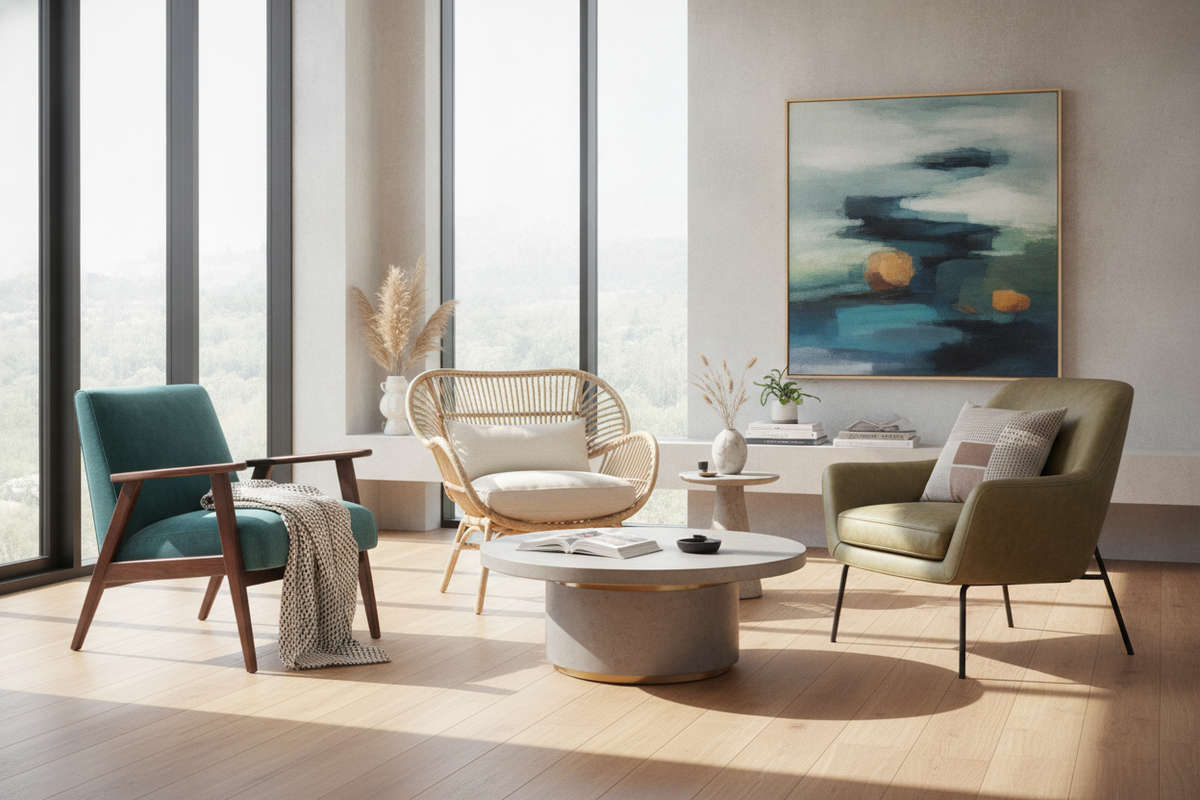
When planning a commercial suite or private studio, selecting intentional sitting chairs for office settings bridges the gap between formal business routines and casual breakout periods. In many professional layouts, an office living room chair helps de-escalate tension during negotiations, offering visitors supportive armrests, an open posture, and generous cushioning. Balancing the presence of these seats with surrounding work surfaces ensures that the entire room reads as a unified, welcoming space.
Proportions and Spatial Clearance for Home and Commercial Offices
Scale dictates whether an armchair feels like an intentional design choice or an inconvenient spatial obstacle. When arranging accent chairs for home office layouts or open commercial footprints, maintaining fluid perimeter walkways prevents the area from feeling crowded. As a fundamental planning guideline, prioritize clear sightlines between entryways and desk workstations, positioning accent seating so it does not interfere with the natural swing of office doors or sliding window treatments.
In dedicated meeting pockets, consider how accent chairs for office space interact with surrounding executive furniture. Chairs positioned directly opposite a main desk should allow guests sufficient legroom without backing into bookshelves or wall-hung boards. Leaving ample breathing room behind the chair backrest preserves architectural depth and keeps high-traffic office lanes clear for daily movement.
Optimizing Seating in Compact Workspaces and Alcoves
In narrow workrooms or multipurpose guest bedrooms, traditional oversized lounge chairs can quickly overwhelm available square footage. Choosing low-profile office accent chairs with slender legs and tailored silhouettes keeps floor visual weight light. Positioning a tailored chair in an unused corner creates an efficient retreat for telephone calls or document review without encroaching on the primary desk zone. For additional spatial strategies tailored to tight room footprints, browsing the space living collection provides helpful inspiration for keeping layouts uncluttered.
Styling Frameworks: Pairing Office Accent Chairs with Workspace Storage
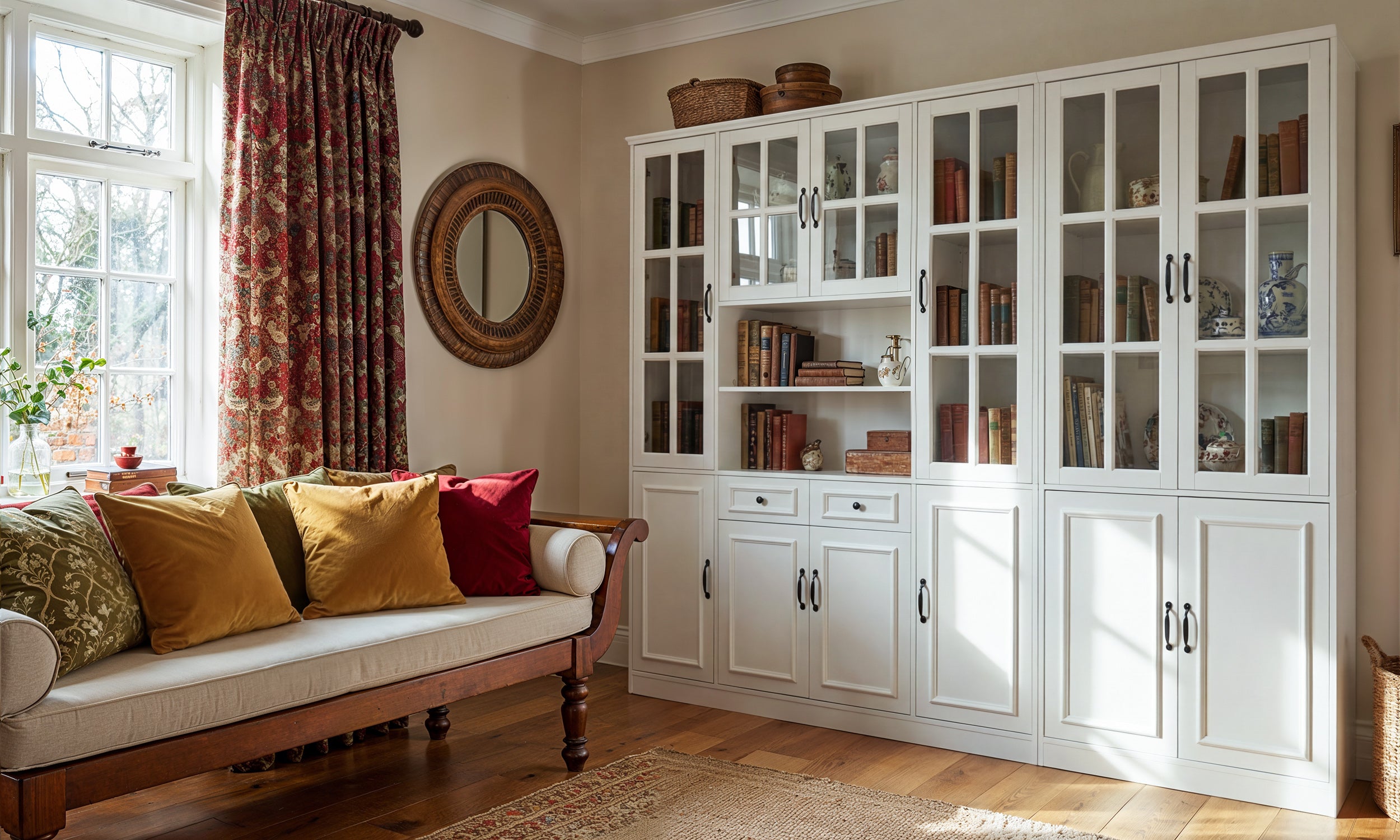
An armchair rarely lives in complete isolation; its aesthetic success depends heavily on surrounding casegoods, credenzas, and storage units. When placing home office accent chairs near substantial cabinetry, balance visual bulk by contrasting solid storage facades with open-base seating. This balance prevents the perimeter of the room from feeling heavily weighted toward one side.
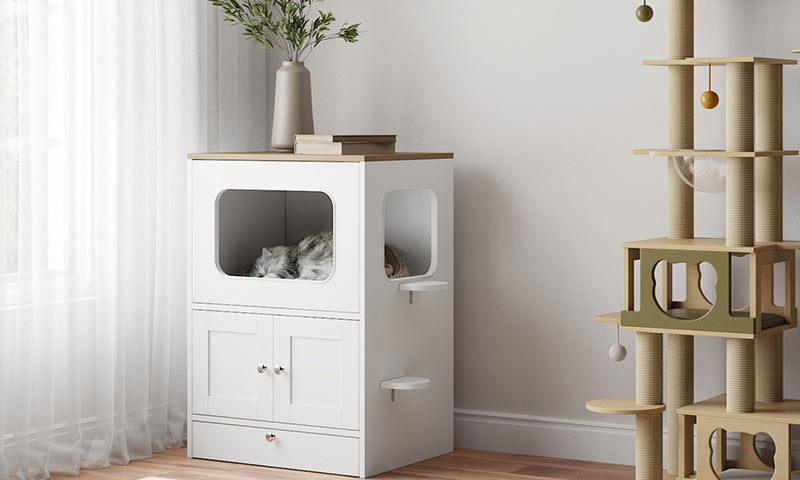
Coordinating sideboards and supply storage adjacent to accent chairs for office reading corners creates practical utility. Pairing an upholstered seat with a multi-functional piece, such as this accent living product, provides accessible storage for reference binders, charging cords, and stationery right alongside the reading zone. Keeping utility within arm's reach ensures that the secondary seating area remains self-sufficient and orderly throughout the working day.
Harmonizing Casegoods and Armchair Materials
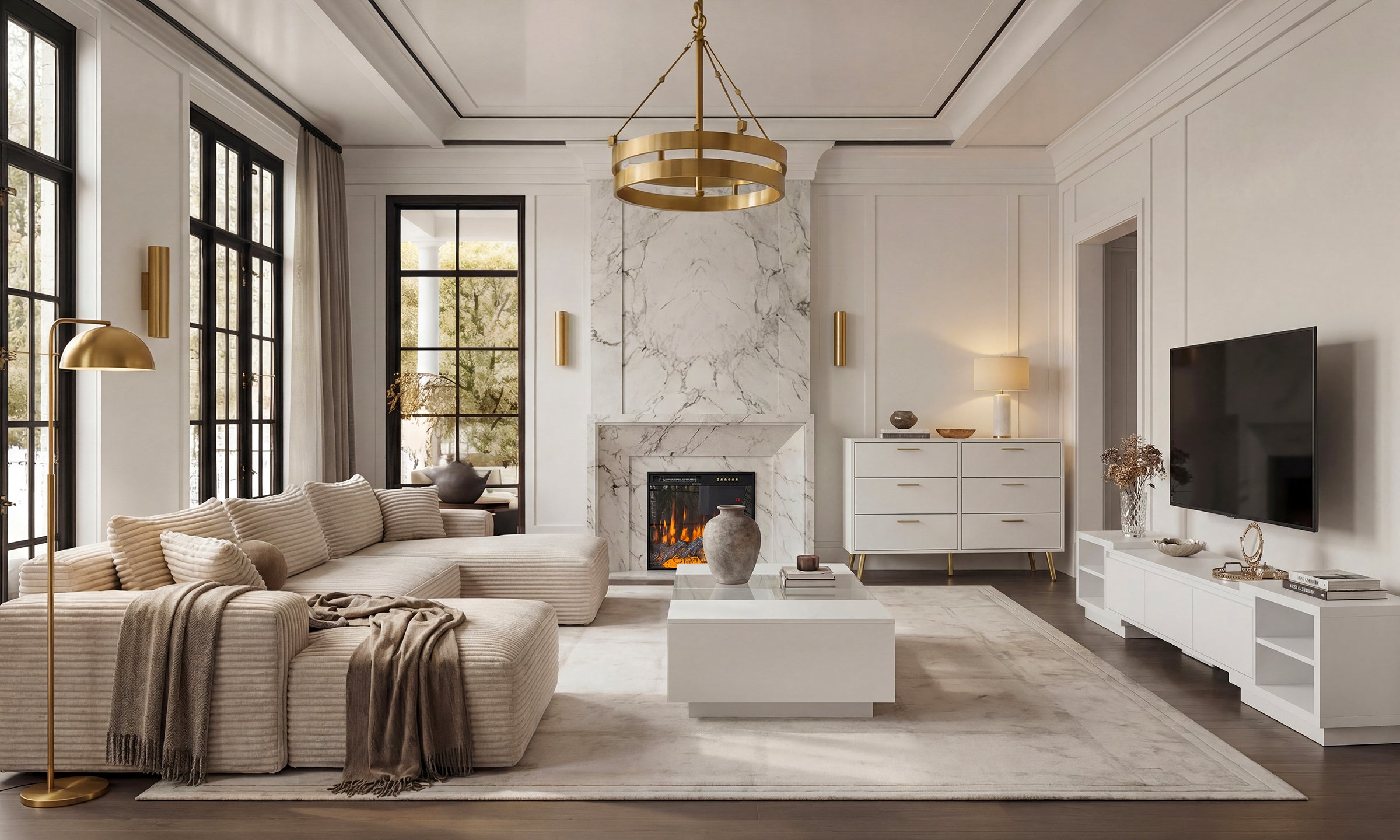
Achieving visual harmony requires thoughtful material pairing between furniture categories. When selecting accent chairs for office use, echo the wood stains or metallic hardware found on nearby display units and lateral filing cabinets. For example, pairing a neutral textured armchair with a rich finish—such as this living space product—unifies warm casegoods with soft seat textures, elevating the overall workspace aesthetic.
- Warm Timber Profiles: Pair dark walnut or oak credenzas with woven linen, tweed, or cognac leather seating to foster an executive feel.
- Industrial Metal Framing: Match matte black or brushed brass cabinet pulls with slender steel chair frames for a sleek architectural statement.
- Monochromatic Neutral Tones: Combine soft white or slate storage units with heathered gray upholstery to keep modern office corners quiet and distraction-free.
Material Selection, Frame Stability, and Maintenance Considerations
Every commercial or home office experiences regular use, requiring durable construction and dependable upholstery for any chosen arm chair office piece. When reviewing structural design, prioritize kiln-dried hardwood or reinforced metal framework joinery to ensure firm, wobble-free stability. Armrests should feel rigid under downward pressure, providing comfortable leverage when standing up or sitting down during long meetings.
Upholstery selection should align with your office maintenance routine. Commercial-grade synthetic weaves, tight chenille, and treated performance fabrics resist surface piling and simplify routine spot maintenance. For high-traffic consult rooms, smooth leather or resilient faux-leather surfaces wipe down easily, remaining crisp through continuous visitor use without collecting lint or dust.
Assembly Planning, Room Staging, and Functional Placement
Once you select appropriate sitting chairs for office environments, completing assembly with care guarantees long-term durability. Unpack components on a soft drop cloth to safeguard upholstery against surface scuffs, and verify that all leg brackets, dowels, and tension bolts align smoothly before fully tightening hardware. Attaching felt floor glides or rubber pads beneath chair legs protects timber flooring and commercial carpet from wear and indentations.
For final staging, integrate personal illumination and functional surfaces around your accent chairs for office space. Positioning an articulated task lamp or a compact side table alongside the armchair establishes a fully independent zone within the wider office. Exploring this comprehensive living space guide offers practical advice for choosing complementary accent tables that complete the setting, creating an inspiring and organized work environment.


Leave a comment
This site is protected by hCaptcha and the hCaptcha Privacy Policy and Terms of Service apply.