
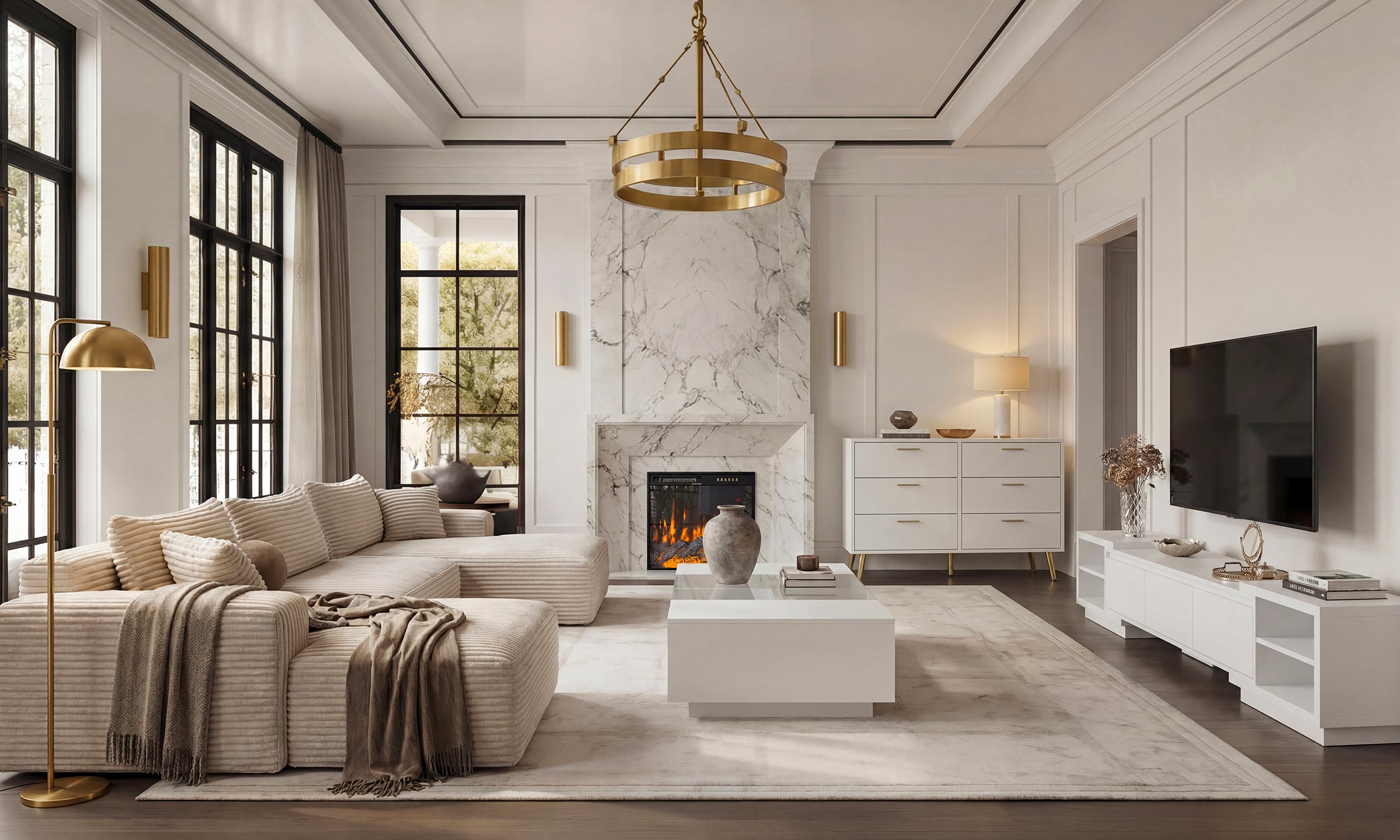
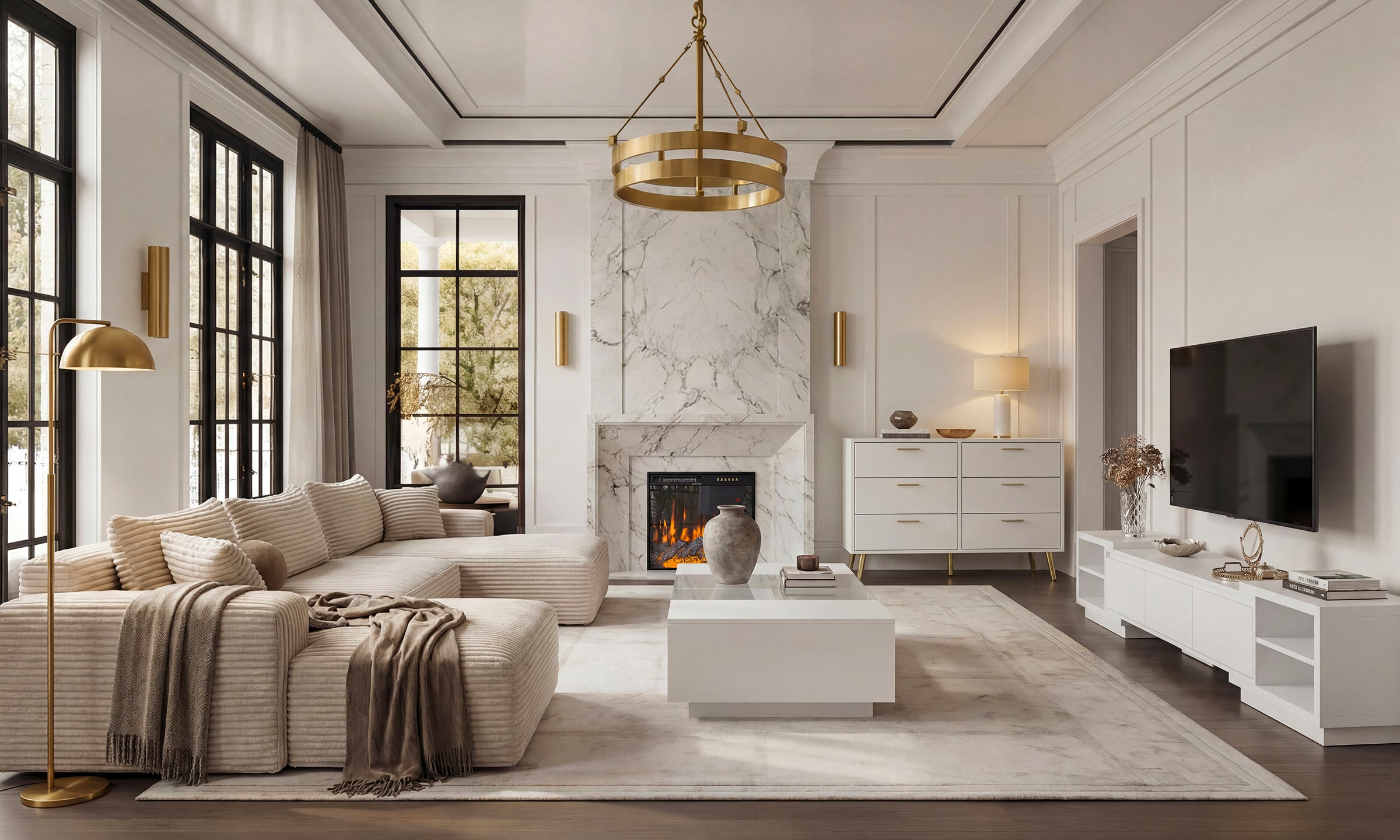



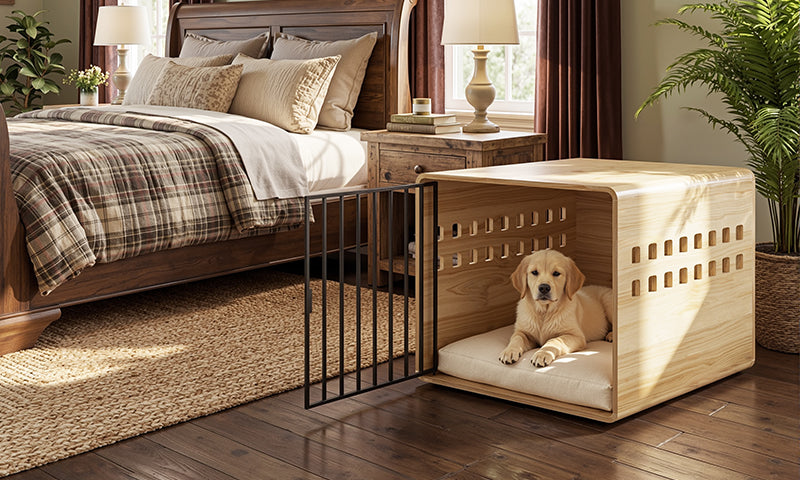

I spent three years staring at a 55-inch black rectangle that sucked the soul out of my bedroom. It didn't matter how many trailing pothos plants I draped next to it or how many expensive candles I lit; the room still felt like a Best Buy showroom. We’ve been told for a decade that 'low and minimalist' is the only way to live, but I’m calling it: the open media console is an aesthetic trap.
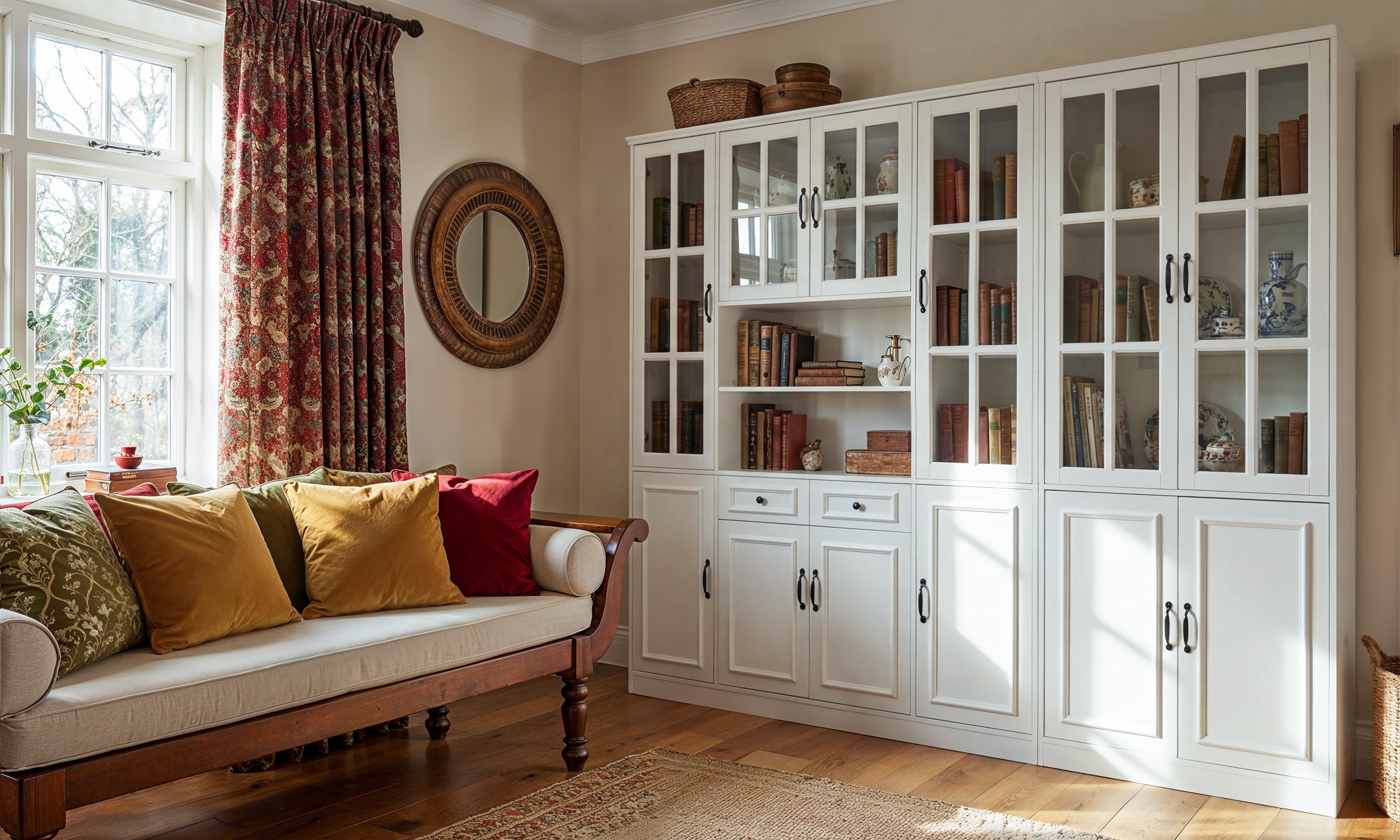
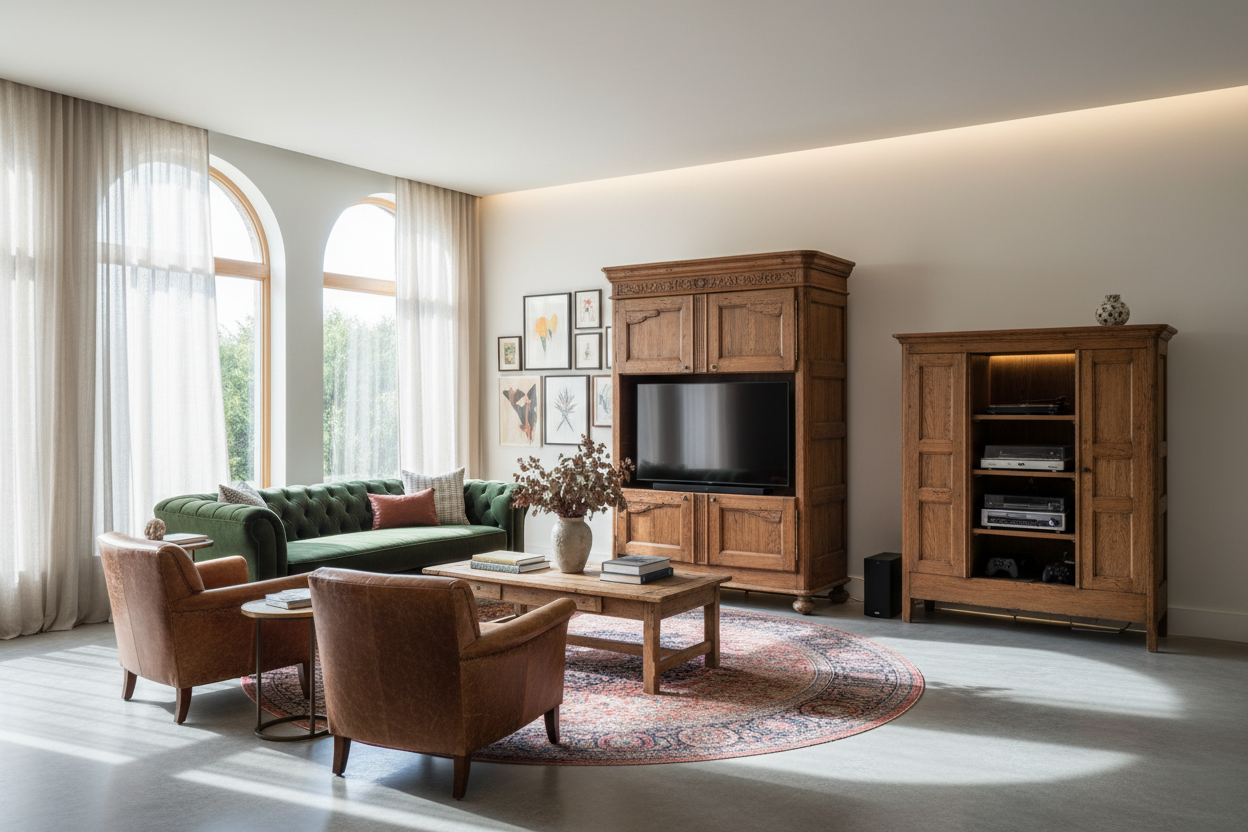
I finally realized that an armoire for television isn't just a relic of my parents’ 1990s living room—it's a design necessity for anyone who actually wants their home to feel like a home. When the screen is off, I want it gone. I want to see wood grain, hardware, and architectural height, not a dormant piece of glass reflecting my unmade bed.
Quick Takeaways
- Verticality matters: Tall armoires make small rooms feel larger by drawing the eye upward.
- Hidden tech: Closing the doors instantly removes the visual clutter of wires and black screens.
- Dual purpose: A bedroom armoire for tv often doubles as a dresser or linen closet.
- Modern fit: Most flat screens up to 50 inches fit comfortably in standard vintage or modern wardrobes.
The Problem With the Modern 'Black Hole' Effect
The design world has a weird obsession with thinness. We want our phones thin, our laptops thin, and our TV stands so low they practically graze the floorboards. But in a cozy bedroom or a formal living room, a massive, lifeless black rectangle creates a 'black hole' effect. It absorbs light and kills the vibe of your carefully curated textiles and art. Decorating around a giant screen is a losing game; it will always be the loudest thing in the room.
Using a tv armoire with doors solves this instantly. It’s about taking back control of your focal point. Instead of the room being oriented around a piece of tech, it’s oriented around a beautiful piece of furniture. When you’re done watching your show, you close the doors, and the room returns to being a sanctuary.
Why I Ditched My Low Console for a Tall Cabinet
I used to follow the rules. I swapped my TV stand for a wide storage cabinet with drawers thinking more horizontal storage was the answer. It wasn't. The room felt crowded at the bottom and empty at the top. Moving to a taller armoire cabinet for tv changed the entire landscape of the space. It added much-needed vertical height, acting as an anchor for the room's layout.
A bedroom armoire tv setup also feels more intentional. It mimics the look of a high-end hotel suite rather than a college dorm. Plus, the height is actually better for viewing from bed. You aren't craning your neck downward; the screen is closer to eye level when you're propped up on pillows.
Will Modern Flat Screens Actually Fit?
This is the big question. Most vintage television armoires were built for deep, heavy tube TVs. The good news? Modern flat screens are incredibly thin. While a 75-inch beast probably won't fit in a standard wardrobe, most 43-to-50-inch models fit perfectly in an armoire for tv with doors. You just need to measure the internal width carefully.
If you have a massive screen that won't fit in a traditional wardrobe structure, a modern TV console cabinet might be your only choice, but for many of us, the 50-inch screen is the sweet spot for a media armoire. Just make sure the backing is sturdy enough if you plan on using a VESA mount inside the cabinet rather than the included TV stand.
How to Retrofit a Vintage Find (Without Ruining It)
If you find a killer antique armoire for tv at a thrift store, don't be afraid to modify it. I used a 2-inch hole saw bit to create cord management ports in the back panel. It took five minutes and keeps the 'spaghetti' of wires hidden. Ventilation is the other big factor. Electronics get hot, so if you're keeping a gaming console inside, you might want to leave the back panel off entirely or install a small, silent USB fan.
For those who hate the look of solid wood doors but still want to hide the tech, a black cabinet with glass doors can be a compromise, though you'll see the TV through the glass. Personally, I prefer solid doors. If your remote doesn't work through the wood, a $20 IR repeater kit solves that problem effortlessly.
What to Do With the Empty Bottom Half
The best part of an armoire with tv space is the 'bonus' storage. Most units come with drawers or lower shelving. In my house, the top half is for the entertainment armoire with doors, and the bottom half is my 'linen closet' because my 1920s apartment has zero storage. I’ve seen people use the bottom for extra sweaters, bulky blankets, or even a hidden bar setup.
A large TV cabinet provides significantly more utility than a standard stand. It’s an armoire for tv and clothes combined, making it the hardest-working piece of furniture in the room. Why settle for a stand that only holds a TV when you could have a piece that holds your entire life?
Personal Experience: The Depth Mistake
I once bought a stunning pine armoire for flat screen tvs off Facebook Marketplace. I measured the width and height, but I completely forgot about the depth of the internal shelf. My TV fit, but the stand it came with was too deep for the doors to close. I ended up having to buy a slim, universal tabletop stand for $30. It was an annoying extra step, but once it was in, the doors clicked shut and the 'black hole' was gone for good. Measure twice, buy once.
FAQ
Are tv armoires out of style?
Quite the opposite. While the bulky 90s versions are out, high-quality wood tv armoire units are seeing a massive resurgence as people move away from 'tech-first' interior design and back toward cozy, traditional aesthetics.
Can you put a smart TV in an armoire?
Absolutely. Just ensure your Wi-Fi signal can penetrate the wood (most can) or run an ethernet cable through the back. The only real concern is heat, so keep the doors open while watching long movies.
How do I choose the right size?
Measure the outer width of your TV, not the diagonal screen size. Give yourself at least two inches of clearance on each side so you can reach in to plug things in or adjust the angle.

Leave a comment
This site is protected by hCaptcha and the hCaptcha Privacy Policy and Terms of Service apply.