

















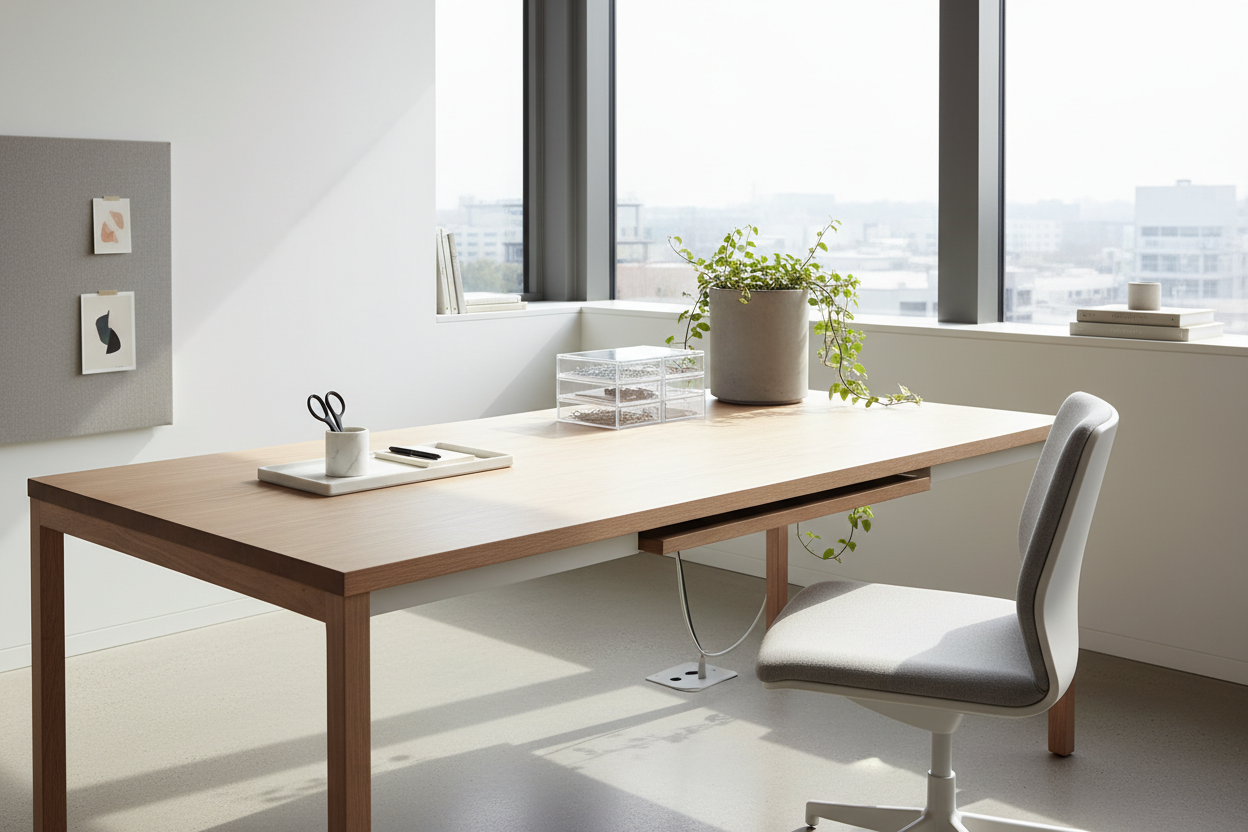
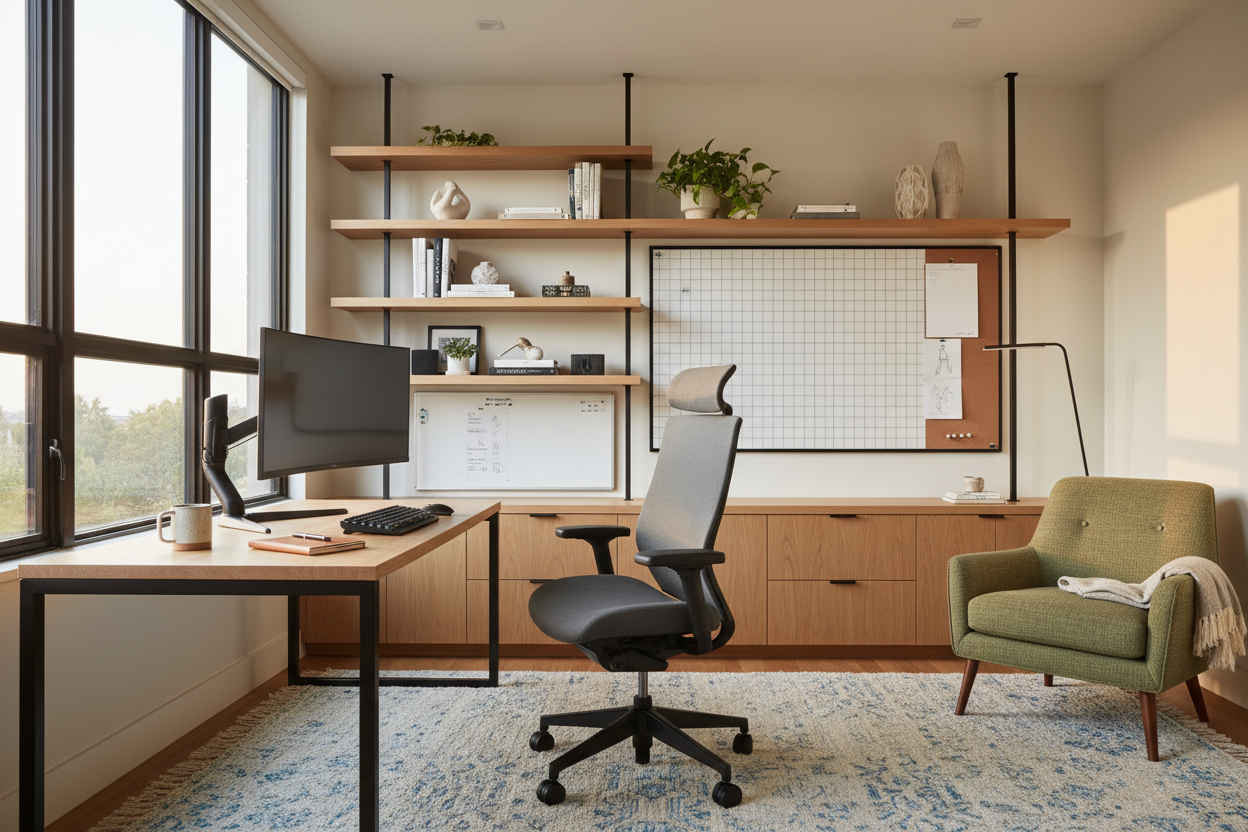
There is a distinct psychological shift that happens when you sit down at a workstation that has been intentionally curated. It isn't merely about tidiness; it is about creating a visual rhythm that allows your mind to focus on the task at hand rather than the clutter surrounding it. As an interior designer, I often see clients treat desk organizations as an afterthought—a plastic bin here, a wire tray there—rather than an integral part of the room's architecture. A truly functional workspace marries the ergonomics of a computer desk with the refined aesthetic of a library table, ensuring that every object has a designated home without sacrificing style.
Key Features to Look For
Before investing in new furniture or accessories, consider these critical elements to ensure your setup balances form and function:
- Integrated Cable Management: Look for grommets or hidden channels to maintain "visual silence" and reduce cord chaos.
- Material Tactility: Choose natural materials like leather, wood, or felt over cheap plastics to elevate the sensory experience.
- Zone-Based Layout: Ensure the design supports distinct zones for computer work, writing, and storage.
- Vertical Utilization: Effective organization utilizes vertical space (risers, hutches) to preserve the primary work surface.
The Architecture of an Organization Desk
When selecting a primary piece of furniture, the distinction between a standard table and a dedicated organization desk lies in the joinery and storage integration. In high-end design, we look for "hidden utility." This means drawers that feature soft-close mechanisms and internal dividers, rather than cavernous empty boxes where supplies go to die.
If you are working with a smaller footprint, the visual weight of the desk becomes paramount. A heavy, dual-pedestal desk can dominate a room, whereas a leggy, mid-century silhouette with shallow frieze drawers offers storage without the bulk. For a computer desk organization setup, prioritize depth. You need at least 24 to 30 inches of depth to accommodate a monitor riser and keyboard tray while leaving enough negative space for a notebook or tablet.
Materiality and Texture in Table Organization
The materials you choose for table organization dictate the longevity and vibe of the space. I always advise clients to steer clear of wire mesh products, which tend to look industrial and temporary. Instead, opt for:
Solid Wood vs. Veneer
Solid wood trays and risers age beautifully, developing a patina over time. However, high-quality wood veneers are lighter and often more stable in fluctuating humidity. If you are styling a desk with organization built-in, check the drawer interiors; dovetailed joinery usually indicates a piece that will withstand decades of opening and closing.
Leather and Felt Accents
Hard surfaces create echoes. Introducing a leather desk blotter or felt storage bins dampens sound and prevents devices from clattering. This soft texture contrasts beautifully against the hard lines of monitors and laptops, adding a layer of warmth to your work desk organisation.
Strategic Placement: The "Reach Zone"
Effective organization for desk setups relies on ergonomics. We map this out using "reach zones." Your primary zone (within forearm reach) should house only what you use daily—keyboard, mouse, and perhaps a daily planner. Secondary zones (arm extension) are for reference materials and hydration. Everything else belongs in drawers or shelves. This discipline prevents the surface from becoming a dumping ground and maintains the sightlines of the room.
My Personal Take on Desk Organizations
I learned a hard lesson about aesthetics versus reality in my own home office last year. I was seduced by the trend of clear acrylic organizers—they looked sleek, modern, and practically invisible in photos. I outfitted my entire workspace with them.
Within two weeks, I regretted it. What the photos didn't show was the static cling attracting dust that was impossible to wipe off without leaving micro-scratches. Furthermore, seeing the messy insides of the drawers through the clear plastic actually increased visual noise rather than reducing it. I swapped them out for opaque, linen-wrapped organizers. The difference was immediate; hiding the contents created a much calmer environment. It was a reminder that in design, sometimes concealing the mechanics is just as important as organizing them.
Conclusion
Transforming your workspace isn't about buying more bins; it is about curating a space that respects your workflow. By selecting materials that age well and prioritizing layouts that reduce visual friction, you create an environment where creativity can thrive. Treat your desk not just as a utility, but as a piece of functional art.
Frequently Asked Questions
How do I hide cords on a desk with an open back?
If your desk floats in the room, cable management is critical. Use spine cable managers that attach to the desk leg, or mount a cable tray specifically designed for the underside of the desktop to keep power strips off the floor.
What is the best way to organize deep desk drawers?
Deep drawers often become "junk drawers." Use stackable, sliding trays to create layers. Keep seldom-used items at the bottom and frequently accessed stationery in the top sliding tray.
Does a minimalist desk organization style work for heavy paperwork?
Yes, but it requires a "processing system." Instead of stacking papers on the desk surface, use a vertical file sorter or a dedicated nearby credenza. The desk surface should remain active, while storage units handle the archives.

Leave a comment
This site is protected by hCaptcha and the hCaptcha Privacy Policy and Terms of Service apply.