



Defining the 43-Inch Form Factor: Dimensional Category and Spatial Footprint
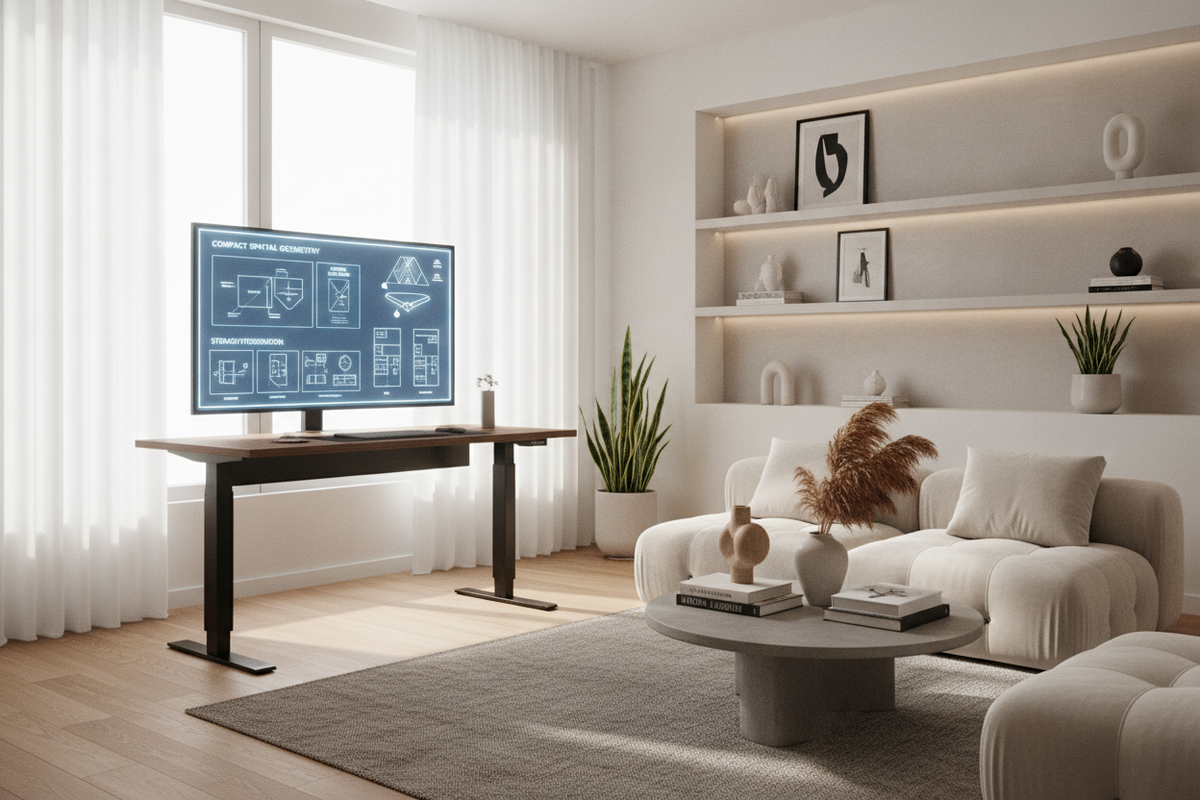
The 43 inch standing desk represents an intentional middle ground in contemporary workstation design. While micro-surfaces often restrict equipment placement and wide executive workstations consume substantial floor area, a compact width around forty-three inches balances modest floor consumption with functional surface area. In residential architecture where dedicated study rooms are scarce, this dimensional profile integrates into multi-purpose spaces without overwhelming circulation paths.
Understanding spatial footprint requires evaluating both the static surface dimensions and the dynamic envelope created during height transitions. When adjusted for standing, the visual mass shifts upward, which alters how a room feels. A compact frame minimizes spatial congestion while preserving the necessary surface depth for primary computing hardware, making it suitable for alcoves, bedroom perimeters, and shared living areas.
Surface Architecture: Zoning Strategy for Compact Workstations
Maximizing utility on a narrower desktop demands disciplined surface architecture. Dividing the workspace into distinct functional zones prevents operational clutter and preserves clear sightlines:
- Primary Interaction Tier: The central area directly ahead of the user should remain reserved for input peripherals, such as a compact keyboard and mouse or a low-profile laptop riser.
- Visual & Display Plane: Positioning a monitor on an articulating clamp arm clears desktop surface below the screen, freeing up space for small desktop accessories or quick-access notebooks.
- Peripheral & Utility Margins: The outer left and right boundaries accommodate compact task lighting, a beverage coaster, or secondary reference documents.
- Cable Routing Infrastructure: Utilizing under-desk cable baskets and magnetic raceways prevents cords from snagging along walls during vertical travel.
For additional layout principles that balance practical organization with clean visual design, consulting a dedicated standing desk guide helps establish cohesive color palettes and wire routing techniques.
Room Integration: Placement Blueprints for Multi-Functional Spaces
Integrating a compact adjustable workstation into a multi-use room requires strategic spatial orientation. Because height-adjustable frames move vertically, clearance planning must account for surrounding architectural elements such as window sills, electrical outlets, wall art, and door swings.
In bedroom settings, positioning the desk perpendicular to natural light sources reduces direct screen glare while keeping closet access clear. In open-concept living spaces, aligning the workstation against an accent wall or within an architectural niche creates a designated work zone without visual friction. Reviewing our layout-focused standing desk guide provides further insight into balancing furniture scale within communal living environments.
Storage Architecture: Offsetting Compact Desktop Space with Vertical and Lateral Units
A smaller desktop surface requires external storage solutions to handle physical paperwork, hardware peripherals, and reference materials. Rather than allowing items to accumulate on the desktop, pairing the workstation with secondary furniture preserves a minimalist, distraction-free environment.
Effective companion storage options include:
- Low-Profile Mobile Pedestals: Rolling drawer units positioned adjacent to the desk provide quick access to office supplies without obstructing the vertical travel path of the lifting frame.
- Vertical Wall Shelving: Floating shelves installed above the maximum elevated standing height turn blank wall space into structured vertical storage for books and decorative accents.
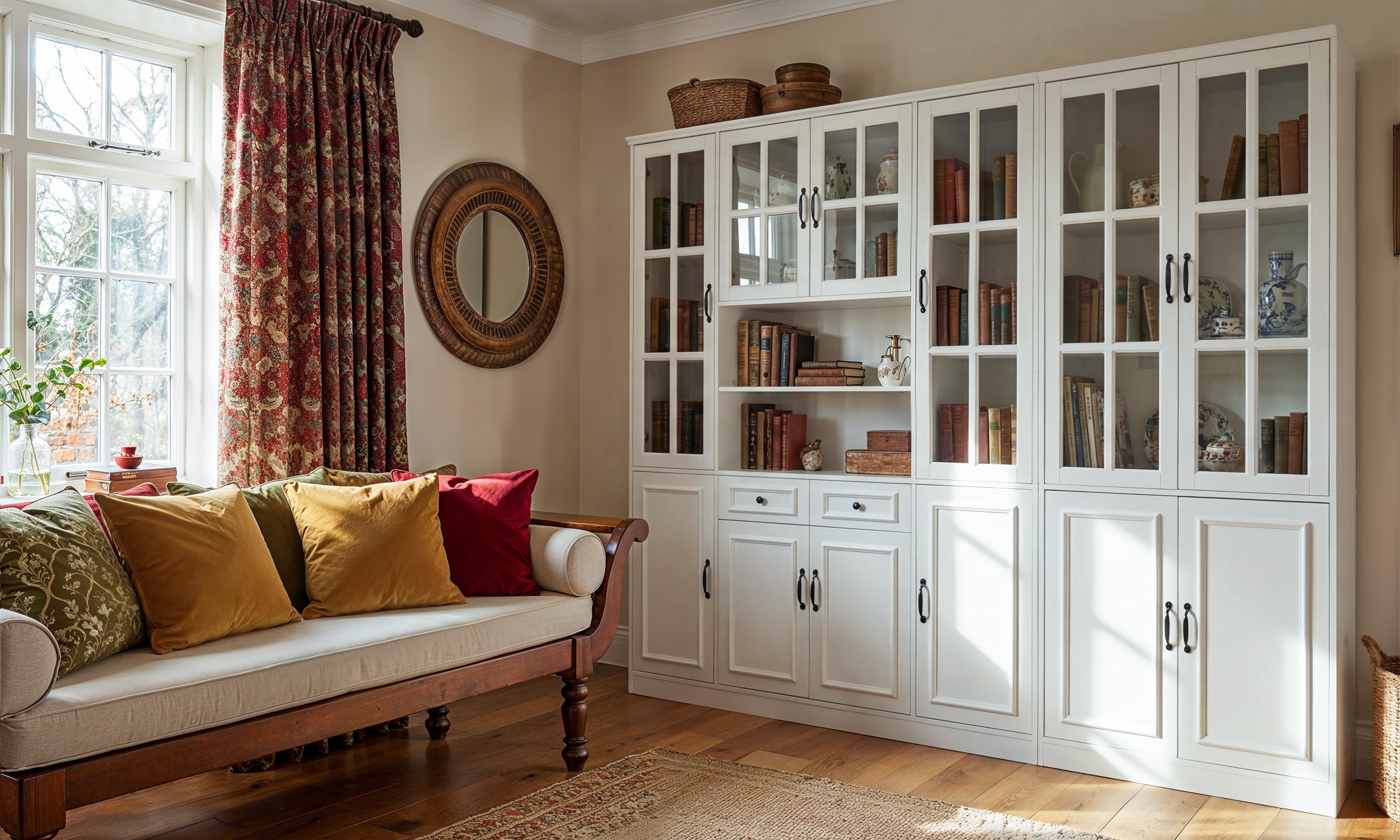
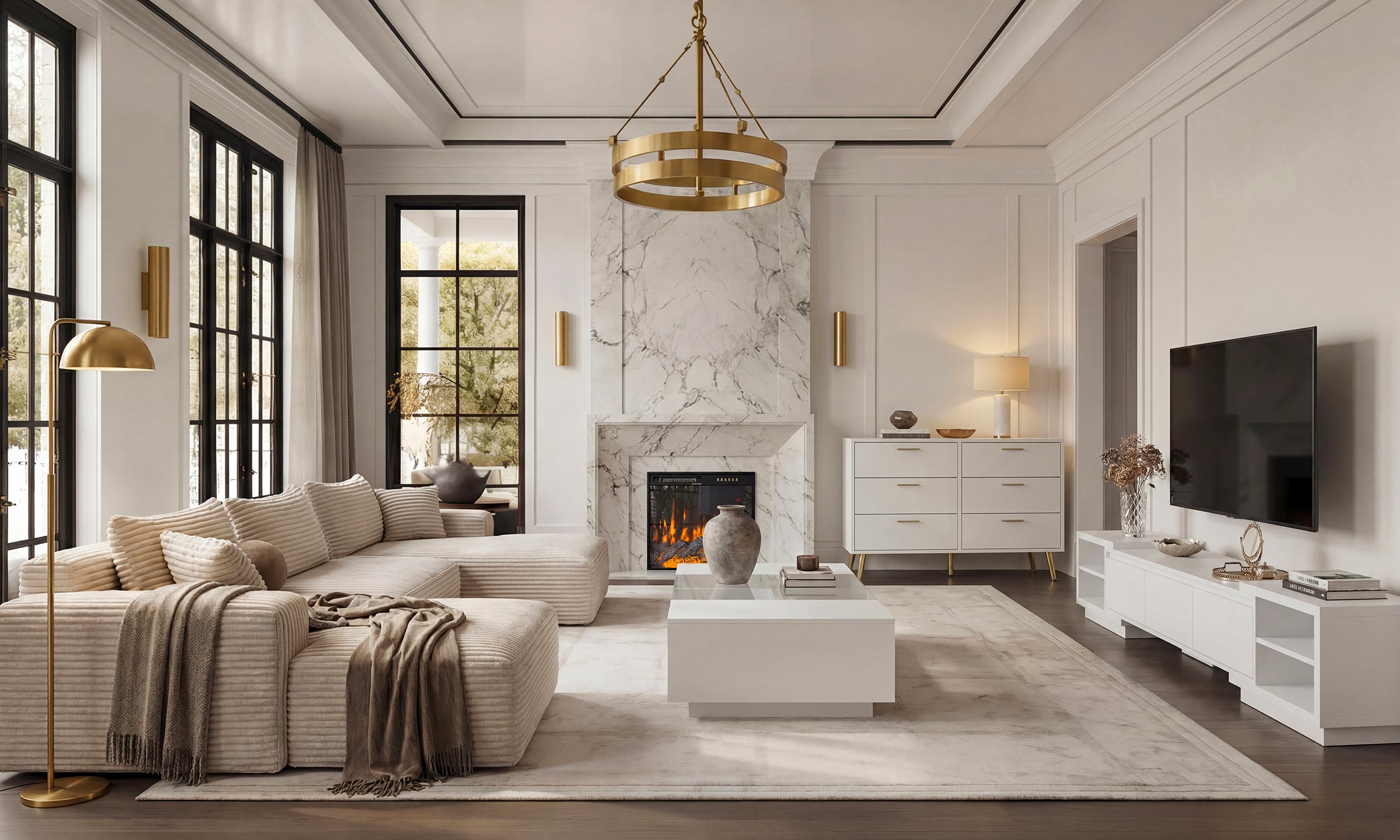
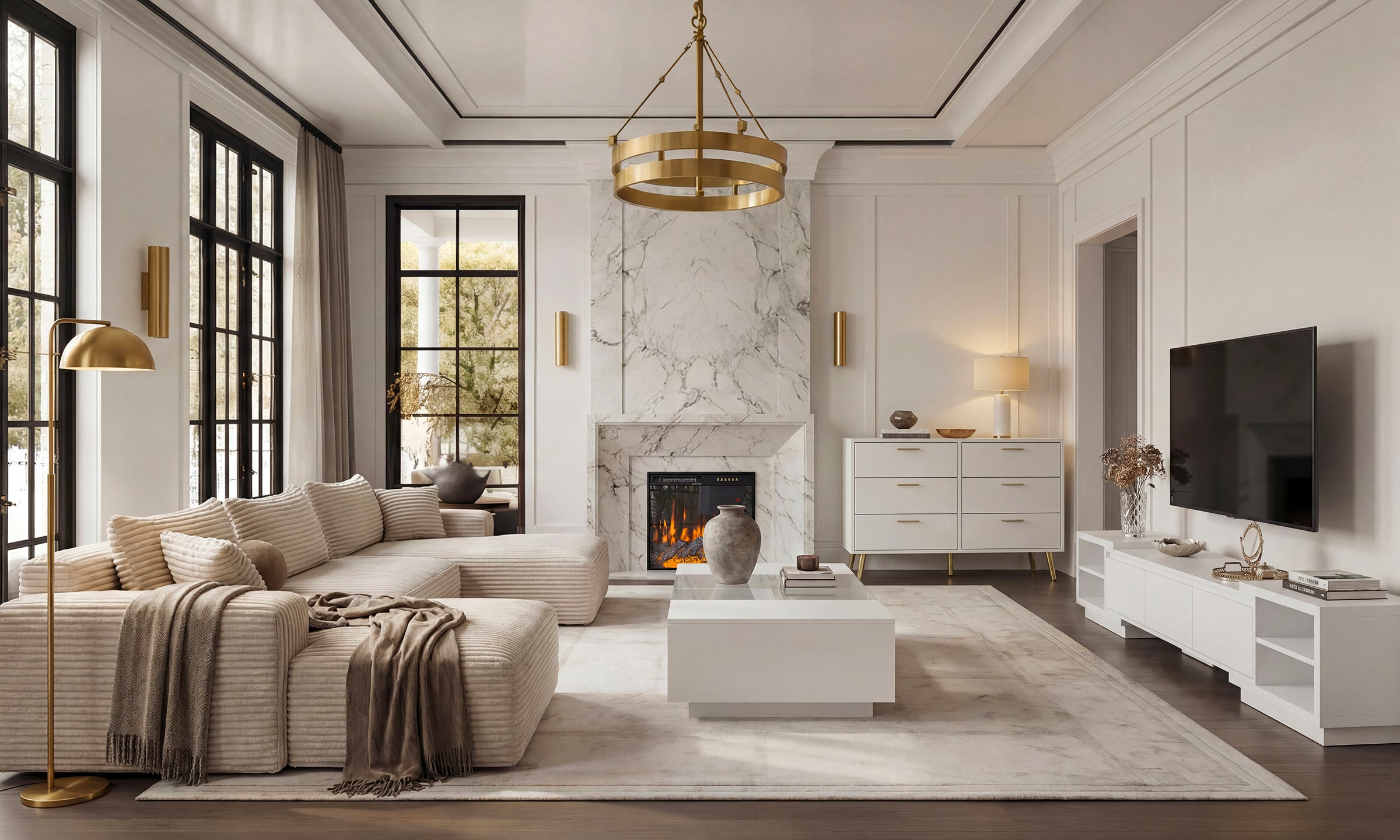
- Dedicated Credenzas and Cabinetry: Placing a complementary storage cabinet along an adjacent wall creates a dedicated repository for larger equipment, similar in organizational utility to a comprehensive desk product system.
Structural Dynamics: Materials, Frame Geometries, and Assembly Considerations
The structural integrity of a compact adjustable desk depends on its mechanical frame geometry and tabletop material composition. Even with a modest width, stability during height adjustment remains essential for equipment security.
Tabletop substrates generally range from high-density engineered wood boards to solid hardwood slabs and laminate surfaces. Engineered composites offer reliable dimensional stability and resistance to environmental warping, while textured laminates provide durable protection against daily wear. Frame assemblies featuring solid steel lifting columns, wide base feet, and rigid under-mount crossbars help prevent lateral wobble during typing at elevated heights. Ensuring all floor levelers are calibrated during initial assembly eliminates uneven contact on hard floors or carpets.
Dimensional Decision Framework: Comparing 43-Inch Desks to Wider Workstations
Choosing the correct desk width involves balancing personal equipment requirements against room boundaries. While a 43 inch standing desk excels in tighter floor plans and single-display setups, users with complex multi-monitor arrangements or extensive drafting needs may require larger dimensions.
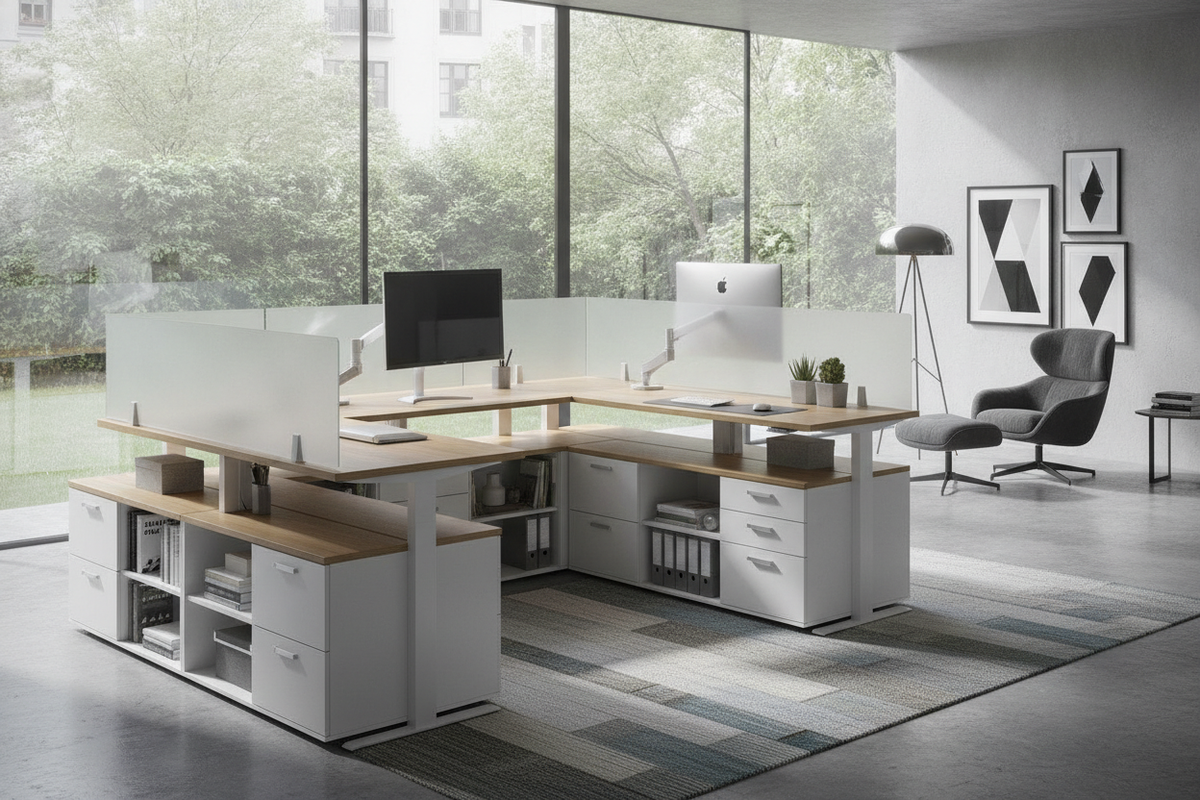
For rooms with broader layouts, exploring an expanded corner configuration such as an L-shaped desk product provides dedicated dual-zone surface capacity. Conversely, for dedicated commercial offices where multi-screen productivity takes precedence, a full-scale standing desk product offers expansive horizontal real estate. Evaluating workflow complexity alongside room floor plans ensures the selected furniture scale supports daily tasks without causing spatial friction.
Long-Term Workstation Evolution and Setup Optimization
A well-planned compact workstation adapts seamlessly over time as hardware setups evolve. By establishing an organized equipment hierarchy, maintaining strict cable paths, and pairing the desk with modular side storage, a 43-inch height-adjustable workspace provides an efficient, ergonomically adaptable foundation for both focused computer work and creative projects.

Leave a comment
This site is protected by hCaptcha and the hCaptcha Privacy Policy and Terms of Service apply.